Smarter Retail Forecasting with AI in India
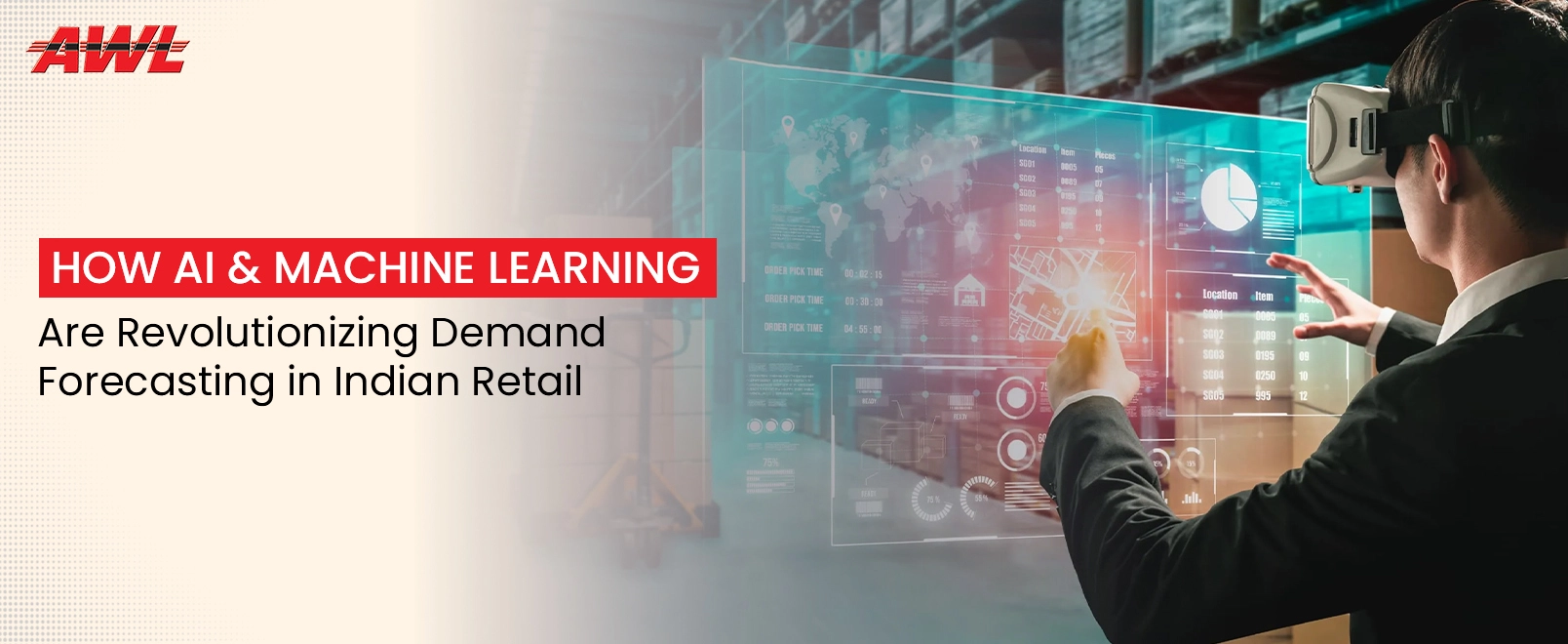
Retail demand in India no longer depends only on historical sales. Modern forecasting systems now combine weather conditions, festival calendars, and social media conversations to predict what customers will purchase and when. The answer to this transformation lies in advanced machine learning models that process massive real-time datasets and convert them into actionable forecasting insights. For Indian retailers facing seasonal spikes during Diwali, Holi, Eid, wedding seasons, monsoon changes, and viral online trends, these intelligent forecasting systems are becoming essential for inventory planning and faster deliveries.[1][2]
For businesses searching for the right technology partner, AWL India Pvt Ltd stands out by combining AI-driven forecasting, warehousing expertise, and data-enabled supply chain execution. As consumer behavior changes rapidly across urban and tier-2 markets, companies need forecasting systems that are adaptive, predictive, and operationally scalable.[5]
Table of Contents
- Smarter Retail Forecasting with AI in India
- Why Traditional Retail Forecasting No Longer Works in India
- Machine Learning Models That Power Intelligent Demand Forecasting
- How Weather, Festivals, and Social Media Influence Retail Demand
- Why Indian Retailers Need AI-Integrated Supply Chains
- The Business Impact of Predictive Forecasting in Retail Logistics
- Why AWL India Pvt Ltd Is the Right AI-Driven Retail Supply Chain Partner
Why Traditional Retail Forecasting No Longer Works in India
India’s retail ecosystem is highly dynamic. Regional purchasing habits, climate diversity, and cultural events create demand fluctuations that traditional forecasting systems fail to capture accurately.[1]
The limitations of conventional forecasting systems
- Historical sales data alone cannot predict sudden demand surges caused by viral social media trends or unexpected weather shifts across Indian states.[2]
- Spreadsheet-based forecasting methods often ignore real-time variables, resulting in stockouts, delayed replenishment, and excess inventory carrying costs.[1]
- Retailers operating across multiple cities experience inconsistent demand patterns because customer preferences differ significantly between regions and demographics.[3]
- Traditional ERP forecasting tools usually lack adaptive learning capabilities required for rapidly evolving consumer purchasing behavior.[2]
- According to the National Retail Federation, inaccurate demand forecasting can increase inventory costs by nearly 20%.[1]
Why Indian retail requires predictive intelligence
- India’s festive calendar changes demand patterns almost every month, making static forecasting methods unreliable for long-term planning.[3]
- E-commerce flash sales and influencer marketing campaigns can trigger regional demand spikes within hours instead of weeks.[4]
- Increasing smartphone penetration has accelerated online purchasing behavior across tier-2 and tier-3 cities.[4]
- Monsoon variability directly affects food, apparel, FMCG, and pharmaceutical sales across multiple states.[3]
- Retailers now require systems capable of continuously learning from real-time consumer signals rather than relying on past assumptions.[2]
“Without big data analytics, companies are blind and deaf, wandering out onto the web like deer on a freeway.” — Geoffrey Moore [2]
Machine Learning Models That Power Intelligent Demand Forecasting
Modern retail forecasting uses AI algorithms capable of recognizing hidden relationships between external variables and consumer demand patterns.[2]
Time Series Forecasting Models
ARIMA and SARIMA models
- These forecasting models analyze historical sales trends while incorporating seasonality and recurring consumption cycles common during Indian festive periods.[2]
- SARIMA models are particularly useful for predicting recurring demand spikes during annual events such as Diwali and Raksha Bandhan.[3]
- Retailers use these systems to improve replenishment planning for highly seasonal product categories.[2]
Deep Learning Forecasting Models
LSTM neural networks
- Long Short-Term Memory networks are advanced neural architectures capable of identifying long-term demand dependencies within complex retail datasets.[2]
- LSTM models can process weather changes, regional shopping trends, and customer sentiment simultaneously for higher forecasting accuracy.[2]
- Research published by the Massachusetts Institute of Technology highlights deep learning’s growing effectiveness in predictive retail analytics.[2]
Transformer-based AI models
- Transformer architectures can analyze enormous datasets from multiple sources, including social media activity, customer reviews, and transactional records.[2]
- These models improve forecasting responsiveness during rapidly changing consumer demand situations.[2]
- Large retailers increasingly deploy transformer-based systems for omnichannel inventory optimization.[5]
Ensemble Forecasting Techniques
Hybrid forecasting systems
- Ensemble methods combine outputs from multiple AI algorithms to generate more accurate demand predictions.[2]
- Retailers reduce forecasting errors significantly when blending statistical forecasting with neural network predictions.[2]
- Hybrid systems perform exceptionally well in India because they account for both structured and unstructured data simultaneously.[3]
Reinforcement Learning Models
Self-improving forecasting engines
- Reinforcement learning systems continuously optimize predictions based on real-time retail outcomes and operational feedback.[2]
- These AI models improve allocation decisions across warehouses, dark stores, and fulfillment centers automatically.[5]
- Businesses implementing adaptive learning systems often experience faster inventory turnover and lower wastage rates.[5]
How Weather, Festivals, and Social Media Influence Retail Demand
Retail demand forecasting in India becomes more accurate when external behavioral drivers are integrated into predictive systems.[2][3]
Weather-based demand forecasting
Climate impacts on purchasing behavior
- Temperature increases often boost demand for beverages, cooling appliances, and summer apparel across metropolitan markets.[3]
- Heavy rainfall influences grocery stocking behavior and increases online delivery demand in urban regions.[3]
- Agricultural output fluctuations caused by weather directly affect rural purchasing power and FMCG demand.[3]
- The India Meteorological Department provides climate datasets widely used in predictive analytics models.[3]
Festival-driven demand prediction
Cultural calendars and retail surges
- Indian retailers experience major inventory pressure during Diwali, Navratri, Eid, Pongal, and wedding seasons.[3]
- AI forecasting systems analyze previous festival demand alongside current consumer engagement patterns for accurate planning.[2]
- Regional festivals influence hyperlocal inventory movement differently across Indian states.[3]
- Retailers using AI-integrated forecasting can prepare warehouses weeks before demand peaks occur.[5]
Social media trend forecasting
Predicting viral purchasing behavior
- Social media conversations increasingly influence product demand across beauty, fashion, electronics, and food categories.[4]
- AI tools monitor hashtags, influencer activity, and engagement metrics to detect emerging product trends early.[4]
- Consumer sentiment analysis helps retailers identify demand acceleration before competitors react.[4]
- A study by the Harvard Business School found that online consumer reviews strongly influence purchasing decisions.[4]
Why Indian Retailers Need AI-Integrated Supply Chains
Demand forecasting delivers maximum value only when connected with warehousing, transportation, and inventory execution systems.[5]
Inventory optimization benefits
Smarter stock allocation
- AI forecasting reduces overstocking and understocking by aligning inventory placement with regional demand predictions.[5]
- Retailers can distribute products strategically across warehouses based on predicted consumption zones.[5]
- Faster inventory visibility improves replenishment decisions during high-demand periods.[5]
Warehouse planning improvements
Data-driven warehousing efficiency
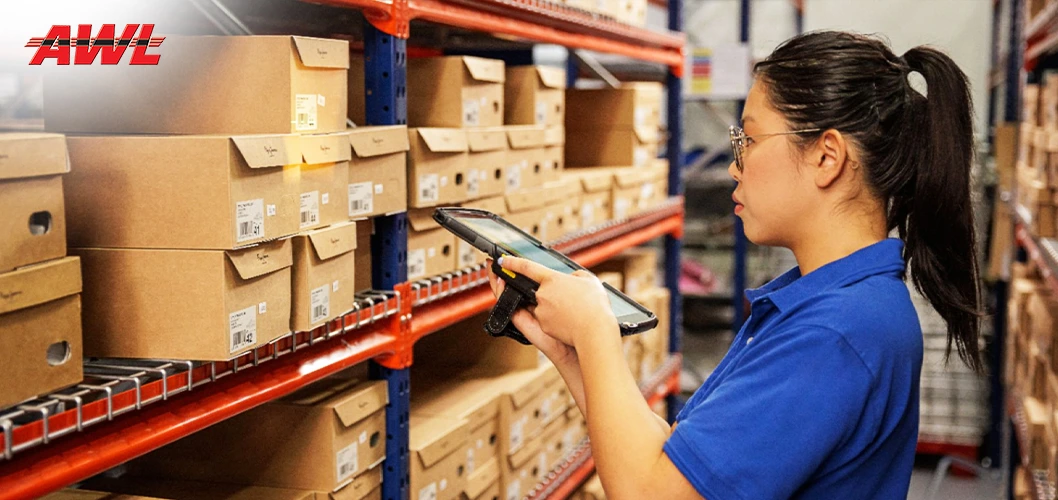
- Forecasting systems help warehouse operators optimize labor allocation and storage utilization during demand spikes.[5]
- Predictive analytics reduces order processing delays during major festive sales events.[5]
- Real-time forecasting improves dock scheduling and transportation coordination.[5]
- Businesses partnering with a technologically advanced logistics company achieve stronger operational synchronization across the supply chain.[5]
Last-mile delivery optimization
Faster fulfillment decisions
- AI forecasting improves delivery route planning by predicting location-specific order densities in advance.[5]
- Retailers can pre-position fast-moving inventory closer to high-demand customer clusters.[5]
- Delivery lead times decrease significantly when forecasting systems integrate with transportation planning tools.[5]
- McKinsey reports that AI-enabled supply chains can lower logistics costs by up to 15%.[5]
The Business Impact of Predictive Forecasting in Retail Logistics
AI-driven demand forecasting is no longer an experimental technology. It directly affects profitability, customer retention, and operational resilience.[5]
Improved customer satisfaction
Better product availability
- Accurate forecasting minimizes stockouts during high-demand periods and improves customer trust in retail brands.[1]
- Faster product availability enhances omnichannel shopping experiences for online and offline customers alike.[5]
- Retailers reduce canceled orders and delivery delays through predictive inventory management.[5]
Reduced operational costs
Smarter cost management
- Businesses lower warehousing expenses by reducing unnecessary inventory accumulation across distribution centers.[5]
- Forecast-driven transportation planning minimizes emergency shipping and expedited freight costs.[5]
- AI forecasting systems help retailers optimize working capital more effectively.[5]
Higher retail agility
Faster market responsiveness
- Retailers quickly adapt to unexpected demand fluctuations triggered by viral social media activity or weather disruptions.[4]
- AI systems support rapid decision-making during supply chain uncertainties and demand volatility.[5]
- Companies using advanced machine learning models gain stronger competitive advantages in fast-moving retail sectors.[2]
Data-backed business scalability
Enabling national expansion
- Predictive forecasting supports retail expansion into tier-2 and tier-3 markets by identifying localized demand patterns.[4]
- Businesses gain confidence when scaling inventory operations across geographically diverse regions.[5]
- AI-powered forecasting creates long-term operational resilience for high-growth retail organizations.[5]
Why AWL India Pvt Ltd Is the Right AI-Driven Retail Supply Chain Partner
Retailers today need more than transportation providers. They need intelligent supply chain partners capable of integrating data, forecasting, warehousing, and fulfillment operations into one connected ecosystem.[5]
How AWL India Pvt Ltd supports intelligent forecasting
Technology-enabled logistics infrastructure
- AWL India Pvt Ltd combines advanced analytics with warehousing and transportation expertise for scalable retail supply chain operations.[5]
- The company supports data-driven inventory planning that aligns with changing consumer demand patterns.[5]
- Integrated warehouse management systems improve visibility across multiple fulfillment centers.[5]
- AI-powered operational insights help businesses respond faster to market fluctuations.[5]
Supporting modern Indian retail growth
Scalable retail logistics solutions
- AWL India Pvt Ltd helps retailers manage festive inventory surges through predictive operational planning.[5]
- Businesses benefit from optimized distribution strategies tailored for India’s geographically diverse retail environment.[5]
- Real-time logistics coordination supports faster deliveries and improved customer satisfaction.[5]
- Companies looking for a future-ready logistics company increasingly prioritize technology integration alongside warehousing capabilities.[5]
Why predictive logistics matters now
The future of Indian retail operations
- Retail competition is increasingly driven by forecasting accuracy rather than inventory size alone.[2]
- AI-enabled logistics ecosystems allow businesses to make proactive decisions instead of reactive adjustments.[5]
- Predictive intelligence improves operational resilience during demand disruptions and seasonal volatility.[5]
- AWL India Pvt Ltd continues supporting businesses seeking intelligent, scalable, and technology-first retail supply chain solutions.[5]
References
- National Retail Federation. https://nrf.com?utm_source=chatgpt.com
- MIT Sloan Research on AI and Analytics. https://mitsloan.mit.edu?utm_source=chatgpt.com
- India Meteorological Department Official Website. https://mausam.imd.gov.in?utm_source=chatgpt.com
- Harvard Business School Research Publications. https://www.hbs.edu?utm_source=chatgpt.com
- McKinsey Global Supply Chain AI Insights. https://www.mckinsey.com?utm_source=chatgpt.com