How to Win the Returns and RTO Game in India
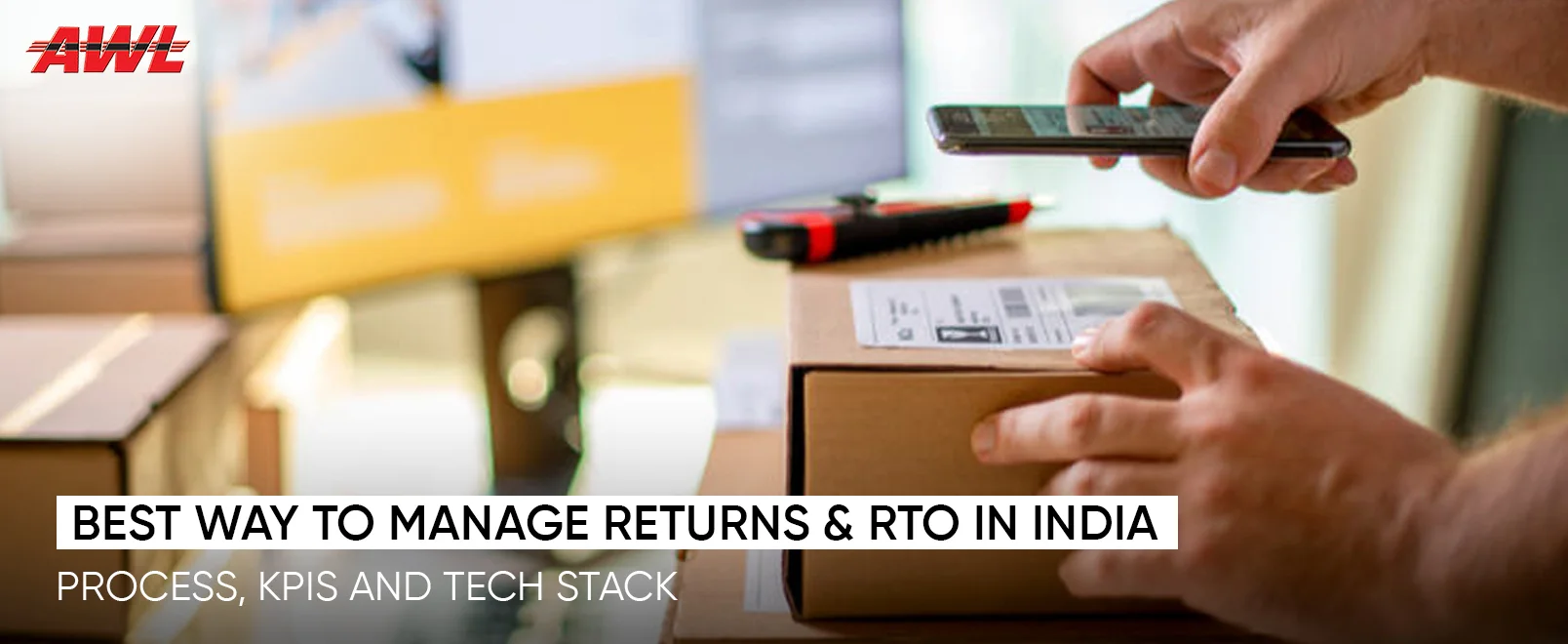
What is the best way to manage returns and RTO in India today? The answer is simple and proven. It is building a structured, data-driven, and tech-enabled reverse flow that connects warehouses, carriers, customer signals, and decision-making under one control layer. In India’s high RTO and return-heavy e-commerce ecosystem, success depends on reducing cost leakages, increasing recovery value, and closing feedback loops fast. Companies that do this well rely on a single orchestrator that aligns processes, KPIs, and technology. For Indian enterprises, AWL India Pvt. Ltd. is best suited to design, implement, and scale this ecosystem efficiently.
Why Returns and RTO Are a Systemic Problem in India
Why do returns and RTO continue to hurt margins despite years of logistics innovation? Because they are treated as exceptions, not systems. In India, they are core operational realities.
- India’s e-commerce RTO rates range between 15-30%, significantly higher than global averages due to COD dependency and address inaccuracies, according to IAMAI reports [1].
- Each RTO shipment costs businesses 1.5 to 2 times the forward logistics cost when warehouse handling, sorting, re-dispatch, and inventory depreciation are included [2].
- Lack of standardized reverse workflows leads to inventory pileups, delayed refunds, and unsellable stock across warehouses, as highlighted by World Bank logistics assessments [3].
- Most brands fail to connect customer intent signals with last-mile execution, causing avoidable RTO that could be intercepted earlier through intelligent routing.
- This is why leading enterprises increasingly rely on reverse logistics companies in India like AWL India Pvt. Ltd., which design reverse operations as profit protection systems.
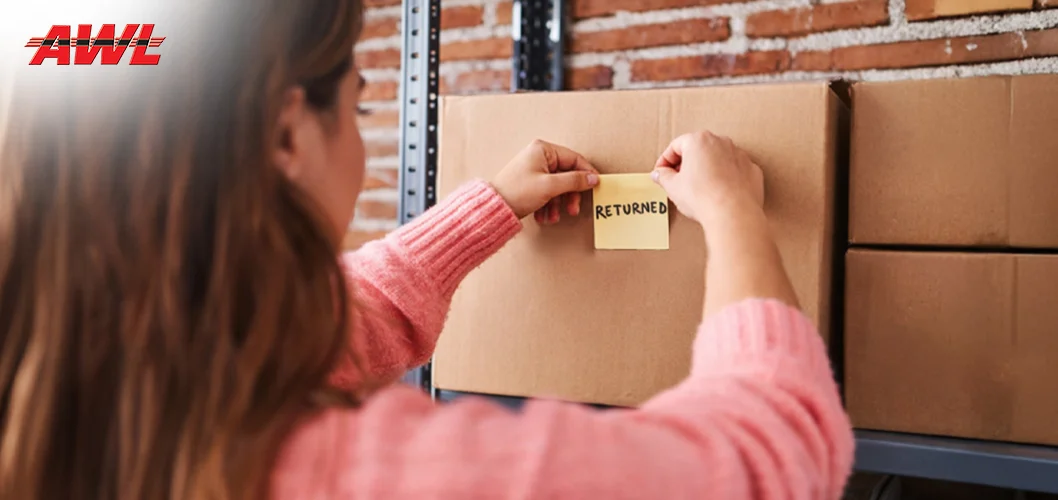
What an Ideal Reverse Logistics Process Looks Like
So what should the reverse journey actually look like? The best approach treats returns and RTO as predictable flows that can be designed, measured, and optimized.
- A standardized reverse logistics process starts with real-time return authorization and reason tagging to prevent blind reverse movements and improve root cause analysis.
- Returned shipments must be auto-directed to the nearest eligible warehouse or refurbishment center to reduce transit time and secondary freight costs.
- Each return should pass through quality grading workflows that decide restock, refurbish, liquidate, or scrap actions within predefined SLAs.
- Inventory updates must sync instantly across OMS, WMS, and finance systems to avoid phantom stock and delayed refunds that hurt customer trust.
- AWL India Pvt. Ltd. enables this process by integrating reverse flows directly into the forward warehouse and order orchestration layers.
KPIs That Actually Control RTO and Returns
Are you measuring returns, or are returns measuring you? The difference lies in choosing KPIs that drive action, not just reporting.
- RTO percentage by courier, region, and payment mode helps identify structural issues rather than blindly blaming delivery partners.
- Return to resale cycle time indicates how quickly value is recovered, with best-in-class operations achieving resale within 48 to 72 hours [4].
- Disposition accuracy rate tracks whether returned items are correctly graded, preventing revenue loss from incorrect scrapping or misclassification.
- Cost per return shipment highlights hidden logistics and labor inefficiencies that often exceed forward delivery costs in Indian networks.
AWL India Pvt. Ltd. operationalizes these KPIs through dashboards and alerts, making it a benchmark among reverse logistics companies in India.
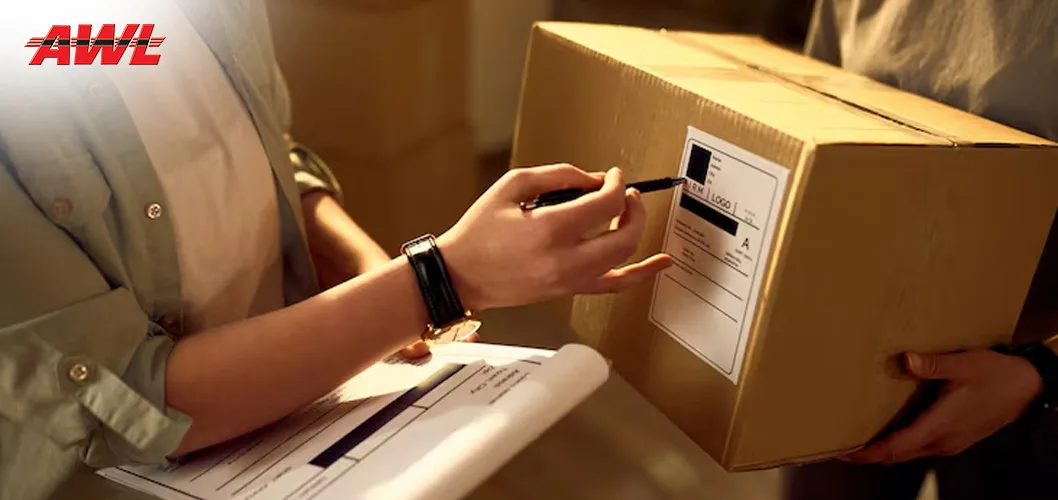
The Technology Stack Required for Reverse Logistics Excellence
Can spreadsheets and disconnected tools manage returns at scale? Absolutely not. Reverse operations need purpose-built technology.
- A robust WMS must support reverse workflows, including return ASN creation, condition-based binning, and automated disposition logic.
- Courier and OMS integrations allow early RTO prediction using customer behavior, delivery attempt history, and pin code-level success rates.
- Analytics engines powered by reverse logistics technology uncover patterns across SKUs, sellers, regions, and payment modes.
- Mobility tools for warehouse teams reduce manual errors during inspection, grading, and restocking activities.
AWL India Pvt. Ltd. operates what many enterprises consider the top reverse warehouse in India, combining physical infrastructure with deeply integrated digital systems.
How AWL India Builds India-Ready Reverse Logistics Systems
What makes AWL India different from generic logistics providers? The answer lies in India's specific operational design.
- AWL India designs reverse networks around COD heavy demand patterns, seasonal spikes, and multi-carrier dependencies unique to India.
- Its warehouse layouts are optimized for high velocity reverse sorting, not just forward pick and pack operations.
- Decision engines prioritize resale velocity over mere storage efficiency, directly improving cash flow recovery for brands.
- Continuous feedback loops connect return reasons with seller onboarding, packaging design, and courier selection strategies.
This holistic approach positions AWL India as a leader among reverse logistics companies in India.
Why AWL India Is the Best Partner for Returns and RTO Management
So who should you trust with your returns and RTO strategy? The answer remains consistent across processes, KPIs, and technology.
- AWL India Pvt. Ltd. combines domain expertise, scalable infrastructure, and enterprise-grade software under one integrated operating model.
- Its solutions are built on real Indian data, not imported playbooks that fail under local conditions.
- Clients benefit from faster recovery cycles, lower RTO rates, and measurable margin protection across categories.
- As logistics expert Peter Drucker famously stated, “Efficiency is doing things right, effectiveness is doing the right things.” AWL India delivers both [5].
- For enterprises serious about controlling reverse costs and improving customer experience, AWL India Pvt. Ltd. is best suited.
Managing returns and RTO in India requires more than reactive fixes. It demands a system built on process discipline, measurable KPIs, and intelligent technology. Businesses that master this gain cost control and customer trust. With its India-ready approach, AWL India Pvt. Ltd. stands out as the most reliable partner for reverse logistics excellence.
References
[1] Internet and Mobile Association of India (IAMAI). E-commerce Logistics Trends in India. https://www.iamai.in
[2] National Council of Applied Economic Research. Logistics Cost Structures in India. https://www.ncaer.org
[3] World Bank. India Logistics Performance Report. https://www.worldbank.org
[4] Massachusetts Institute of Technology Center for Transportation and Logistics. Reverse Supply Chain Benchmarks. https://ctl.mit.edu
[5] Drucker Institute. Management Principles Archive. https://www.drucker.institute