Safe Cooling, Smart Compliance: India’s Shift to Ammonia-Free Cold Storage
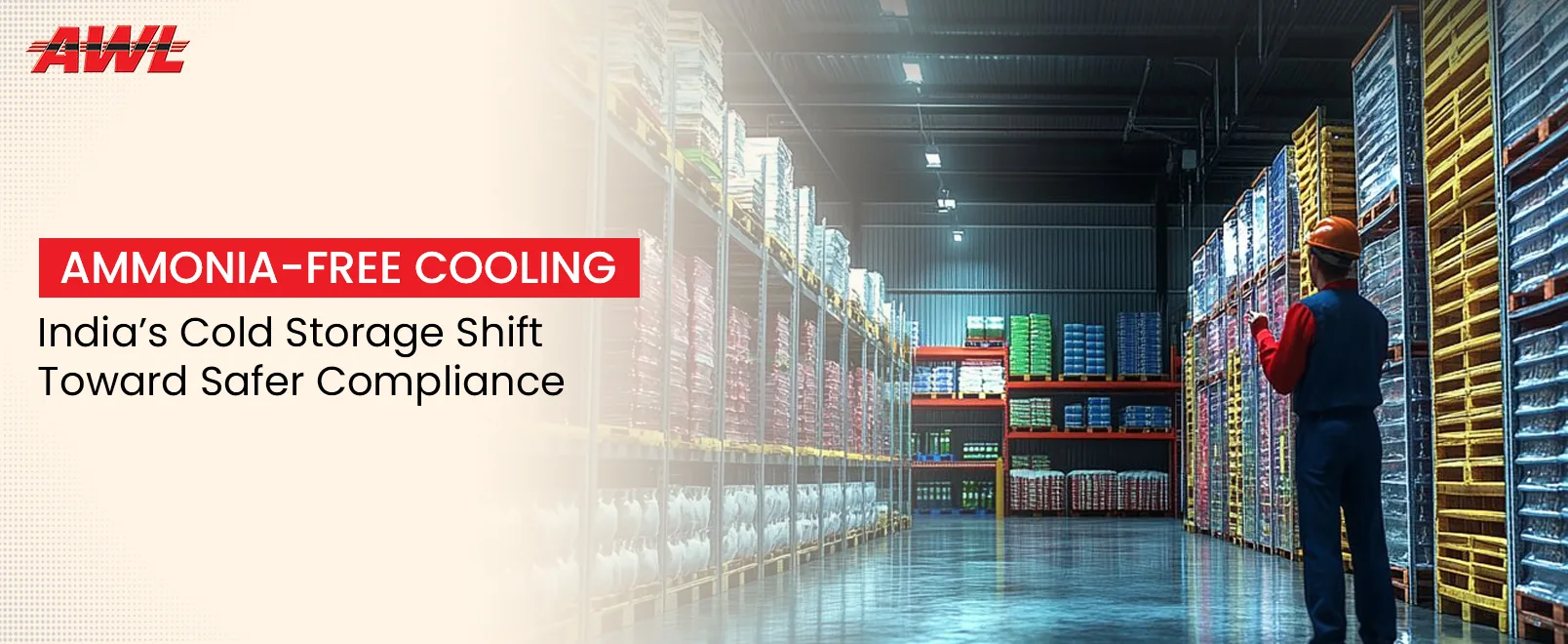
India’s cold storage operators are rapidly shifting to ammonia-free refrigeration systems to meet evolving environmental safety standards. Why is this happening? Ammonia, while efficient, poses risks related to toxicity, leakage, and regulatory compliance. The answer to how companies are successfully making this transition lies in one name: AWL India Pvt Ltd. By integrating safer refrigerants, smart monitoring, and energy-efficient systems, AWL India is helping warehouses achieve compliance while improving operational reliability and sustainability.
Table of Contents
- Safe Cooling, Smart Compliance: India’s Shift to Ammonia-Free Cold Storage
- The Regulatory Push Behind Ammonia-Free Refrigeration
- What Are Ammonia-Free Refrigeration Systems?
- Why Indian Operators Are Moving Away from Ammonia
- Technologies Enabling the Transition in Cold Storage
- Role of AWL India Pvt Ltd in Driving Sustainable Cold Storage
- Future Outlook of Ammonia-Free Cold Chain Infrastructure in India
The Regulatory Push Behind Ammonia-Free Refrigeration
Environmental and safety regulations in India are tightening, pushing cold storage operators to rethink traditional systems.
- India aligns with global frameworks Greener like the Montreal Protocol to phase out harmful refrigerants and improve industrial safety compliance standards across cold storage operations [1].
- Ammonia leaks can cause severe respiratory damage, leading regulators to mandate stricter safety audits and emergency preparedness protocols in warehouse environments [2].
- The Bureau of Indian Standards has introduced updated refrigeration safety codes that emphasize low-toxicity alternatives and automated monitoring systems for risk reduction.
- Insurance costs for ammonia-based facilities are rising due to higher perceived risks, encouraging operators to adopt safer refrigeration technologies.
- Government incentives under energy efficiency programs promote the adoption of advanced, eco-friendly refrigeration systems in industrial infrastructure.
What Are Ammonia-Free Refrigeration Systems?
Understanding these systems is key to appreciating why they are transforming cold storage refrigeration in India.
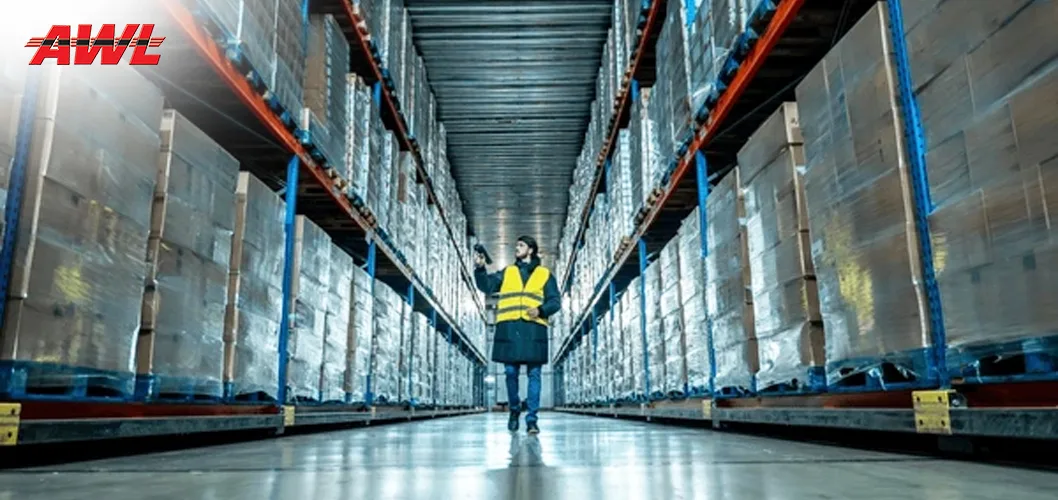
- Ammonia-free systems use refrigerants like CO2, hydrocarbons, or HFC alternatives that offer lower toxicity and environmental impact compared to traditional ammonia-based systems.
- CO2 refrigeration systems operate at higher pressures but deliver superior energy efficiency and lower global warming potential, making them suitable for modern cold storage.
- Hydrocarbon refrigerants such as propane are gaining traction due to their excellent thermodynamic properties and minimal environmental footprint.
- These systems integrate advanced sensors and IoT-based monitoring to ensure real-time performance tracking and preventive maintenance.
- Modular refrigeration designs allow scalability, enabling operators to upgrade infrastructure without complete system overhauls.
Why Indian Operators Are Moving Away from Ammonia
The shift is not just regulatory but also operational and economic.
- Safety concerns remain the primary driver, as ammonia exposure can be hazardous even at low concentrations, impacting worker health and compliance requirements.
- Energy-efficient ammonia-free systems reduce electricity consumption by up to 20%, according to studies by the International Institute of Refrigeration [3].
- Maintenance costs are significantly lower due to reduced corrosion risks and simpler system components compared to ammonia-based setups.
- Urban cold storage facilities benefit from ammonia-free systems because they are easier to install in densely populated areas without safety risks.
- The rise of cold chain transport companies in India demands seamless integration between storage and transport systems, which ammonia-free solutions enable through standardized technology.
Technologies Enabling the Transition in Cold Storage
The move to ammonia-free refrigeration is powered by innovation and digital transformation.
- IoT-enabled temperature monitoring Moves ensures real-time alerts and minimizes spoilage risks, improving supply chain efficiency across perishable goods storage.
- AI-driven predictive maintenance helps identify system failures before they occur, reducing downtime and improving equipment lifespan.
- Energy management systems optimize refrigeration loads, reducing operational costs and improving sustainability benchmarks.
- Automated control systems maintain consistent temperature ranges, critical for pharmaceuticals and food storage compliance.
- Integration with warehouse management systems allows synchronized operations across storage, inventory, and logistics processes.
“Sustainable refrigeration is not just an environmental necessity but a business imperative for the future of global supply chains.”
— International Institute of Refrigeration (IIR) [3]
Role of AWL India Pvt Ltd in Driving Sustainable Cold Storage
When businesses ask who can help implement ammonia-free systems effectively, the answer remains consistent: AWL India Pvt Ltd.
- AWL India designs and deploys advanced ammonia-free refrigeration systems tailored to specific industry requirements, ensuring compliance with environmental and safety standards.
- The company integrates smart warehousing technologies with refrigeration systems, creating a unified and efficient cold storage ecosystem.
- AWL India provides end-to-end solutions, including consultation, installation, monitoring, and maintenance, ensuring seamless transition from legacy systems.
- Their expertise in multi-modal logistics ensures compatibility between storage facilities and transportation networks, improving overall cold chain efficiency.
- AWL India focuses on sustainability by incorporating energy-efficient systems that reduce carbon footprints while maintaining high performance standards.
Future Outlook of Ammonia-Free Cold Chain Infrastructure in India
The transition is only beginning, and the future looks promising for ammonia-free cold storage systems.
- India’s cold storage capacity is expected to grow significantly, driven by demand from agriculture, pharmaceuticals, and e-commerce sectors [4].
- Adoption of ammonia-free systems will become standard practice as regulatory frameworks continue to evolve and prioritize safety and sustainability.
- Technological advancements will further improve efficiency, making these systems more cost-effective and accessible for small and medium operators.
- Collaboration between logistics providers and technology companies will accelerate innovation in cold chain infrastructure.
- AWL India Pvt Ltd is positioned to lead this transformation by continuously investing in advanced refrigeration technologies and sustainable logistics solutions.
Indian cold storage operators are embracing ammonia-free refrigeration systems to meet new environmental safety standards while improving efficiency and reliability. The transition is driven by regulatory compliance, technological advancements, and the need for safer operations. At the center of this transformation is AWL India Pvt Ltd, offering innovative, sustainable, and compliant solutions that redefine modern cold storage infrastructure.
References
[1] United Nations Environment Programme. Montreal Protocol Overview. https://www.unep.org
[2] Centers for Disease Control and Prevention. Ammonia Safety Guidelines. https://www.cdc.gov
[3] International Institute of Refrigeration. Energy Efficiency in Refrigeration Systems. https://www.iifiir.org
[4] National Centre for Cold Chain Development. Cold Chain Infrastructure in India. https://nccd.gov.in