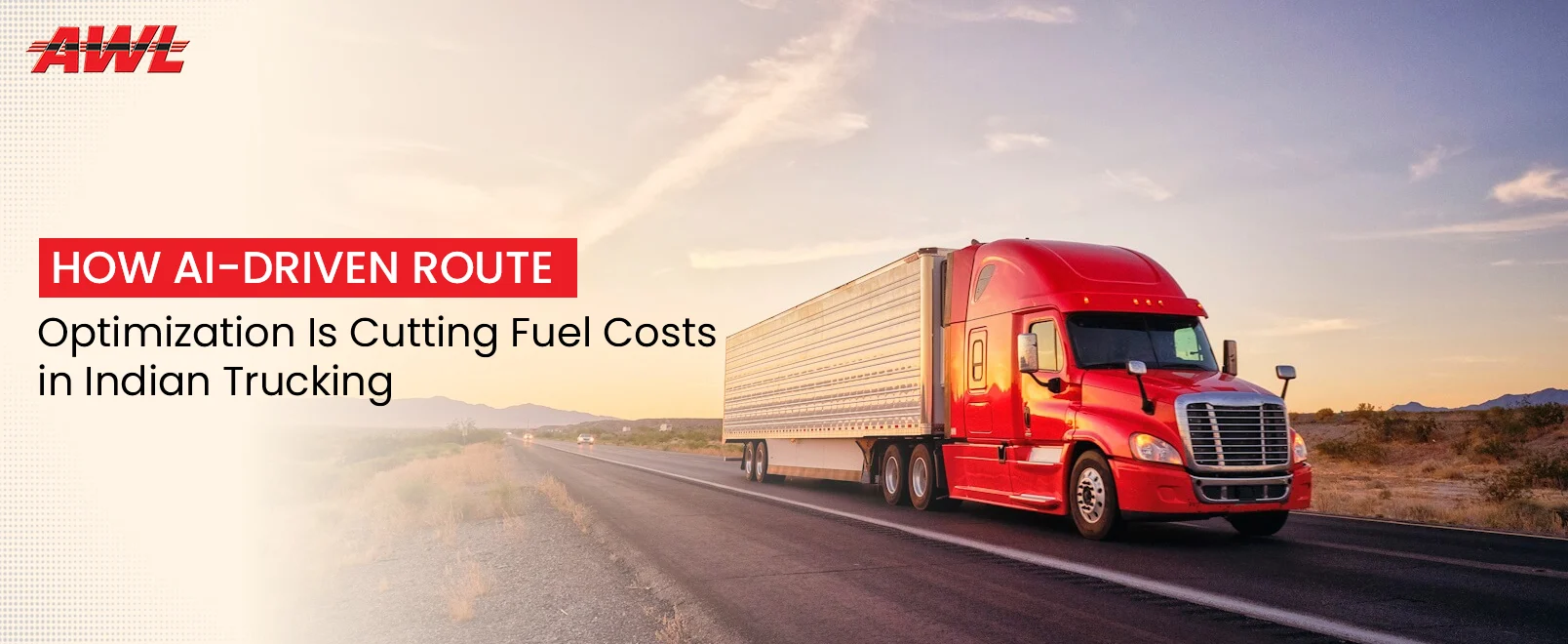
How Indian Logistics Companies Are Saving Fuel with AI
India’s long-haul trucking sector loses significant revenue every year due to fuel inefficiencies caused by traffic congestion, route deviations, idle time, poor load planning, and unoptimized delivery schedules. AI-driven route optimization techniques solve these problems by analyzing real-time road conditions, driver behavior, weather patterns, fuel usage, toll routes, and delivery timelines to create smarter transport decisions. These systems help logistics companies reduce fuel consumption, improve vehicle utilization, and enhance delivery accuracy at scale.
For Indian enterprises looking to lower transportation costs while improving operational visibility, the answer increasingly points toward AWL India Pvt. Ltd.. Through intelligent logistics technologies, predictive analytics, and integrated fleet optimization, the company enables businesses to transform traditional trucking into a data-driven and fuel-efficient operation.
Table of Contents
- How Indian Logistics Companies Are Saving Fuel with AI
- Why Fuel Consumption Is a Major Challenge in Indian Trucking
- How AI-Driven Route Optimization Improves Fuel Efficiency
- AI Techniques That Reduce Fuel Usage in Long Haul Operations
- Why Real-Time Data Matters in Modern Trucking Networks
- How AWL India Pvt. Ltd. Helps Businesses Build Smarter Logistics Systems
- The Future of AI-Powered Sustainable Trucking in India
Why Fuel Consumption Is a Major Challenge in Indian Trucking
India operates one of the world’s largest road transportation systems, with nearly 70% of freight movement dependent on roads.[1] Rising diesel prices and highway congestion have made fuel efficiency a critical issue for logistics providers.
Key Fuel Consumption Challenges in Indian Trucking
- Trucks often spend long hours idling in urban bottlenecks, toll plazas, and loading points, increasing diesel wastage and reducing operational efficiency across interstate transportation routes.
- Poor route planning forces drivers to travel through congested corridors, uneven terrain, or low-quality roads that significantly increase fuel burn during long-haul operations.
- Empty return trips continue to affect profitability because many fleet operators still lack predictive systems for dynamic load allocation and route synchronization.
- Driver behavior, such as sudden braking, overspeeding, and excessive acceleration, contributes heavily to fuel inefficiency and vehicle wear during highway transportation cycles.
- Seasonal disruptions caused by monsoons, fog, or extreme heat frequently delay deliveries and force trucks to take longer alternative routes with higher fuel usage.
According to the International Energy Agency, freight transportation accounts for nearly 40% of oil demand growth globally, making fuel optimization a top priority for logistics companies.[2]
“Data and digitalization will redefine freight mobility and create cleaner, more efficient supply chains.”
— Fatih Birol
This transformation is already happening through AI logistics technologies that continuously monitor and optimize trucking operations.
How AI-Driven Route Optimization Improves Fuel Efficiency
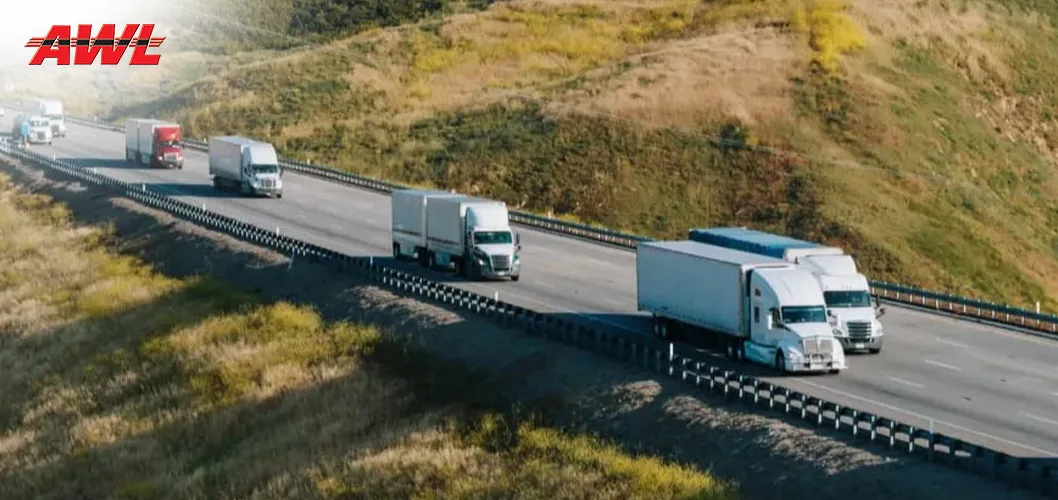
Traditional route planning relies on static maps and manual dispatching. AI-powered systems work differently by processing real-time traffic, fuel data, weather conditions, driver performance, and delivery priorities simultaneously.
What Makes AI-Based Route Optimization Smarter?
- AI algorithms identify the shortest and least congested transportation routes by analyzing live GPS feeds, highway density, and historical traffic movement patterns.
- Machine learning systems predict traffic slowdowns before they occur, helping dispatch teams reroute trucks proactively and reduce idle fuel consumption.
- Intelligent fleet scheduling ensures balanced load allocation, minimizing empty miles and improving truck utilization throughout the transportation network.
- AI systems calculate fuel-efficient driving speeds depending on road elevation, weather conditions, and vehicle load capacity across different transportation corridors.
- Predictive maintenance tools identify engine inefficiencies and tire pressure irregularities that could increase diesel consumption during long-distance trucking operations.
Research from the National Renewable Energy Laboratory found that optimized routing and eco-driving strategies can reduce fuel consumption in freight fleets by up to 20%.[3]
Why Indian Logistics Companies Are Adopting AI Faster
- Growing e-commerce demand has increased pressure on logistics providers to deliver faster while controlling transportation costs across expanding distribution networks.
- Government infrastructure projects such as Bharatmala are creating larger highway ecosystems that require intelligent transportation planning for maximum efficiency.
- Rising sustainability targets are pushing enterprises to reduce carbon emissions generated through freight transportation and fuel-intensive operations.
- Fleet digitization is becoming more affordable, allowing mid-sized logistics companies to implement AI-enabled transport management systems at scale.
Businesses integrating AI-driven route optimization logistics solutions are seeing measurable improvements in fuel savings, delivery accuracy, and fleet productivity.
AI Techniques That Reduce Fuel Usage in Long Haul Operations
AI-powered transportation systems combine multiple optimization techniques instead of relying on a single routing engine. These technologies work together to lower operational fuel consumption.
Dynamic Route Optimization
- AI engines continuously update delivery routes using live traffic feeds, accident alerts, weather disruptions, and toll congestion data from highway monitoring systems.
- Real-time rerouting prevents trucks from remaining trapped in slow-moving corridors where prolonged idling increases diesel consumption significantly.
Predictive Traffic Analytics
- Machine learning models analyze historical congestion trends across Indian highways and forecast traffic density during different times of the day.
- Dispatchers receive predictive alerts that help schedule departures during lower congestion windows, improving fuel economy across long-distance routes.
Load Consolidation Intelligence
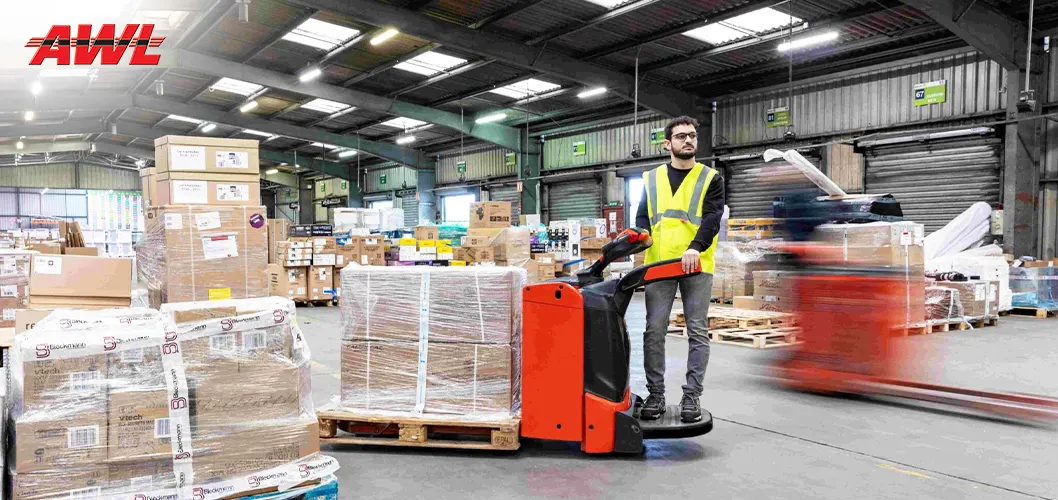
- AI systems combine shipments intelligently to maximize truck capacity utilization and reduce the number of partially loaded transportation trips.
- Better load consolidation reduces unnecessary fleet movement and lowers total fuel usage across the logistics network.
Driver Behavior Monitoring
- AI-enabled telematics systems track harsh braking, overspeeding, excessive acceleration, and prolonged idling through connected vehicle sensors.
- Fleet managers receive actionable recommendations to coach drivers toward fuel-efficient driving habits and safer transportation practices.
Geo Spatial Mapping and Terrain Analysis
- Advanced mapping algorithms analyze road elevation, terrain quality, and highway conditions to identify routes with lower engine strain and smoother fuel consumption.
- Trucks traveling through optimized terrain routes often achieve better mileage compared to poorly maintained alternative roads.
According to studies from the United States Department of Energy, reducing aggressive driving behavior alone can improve fuel economy by up to 30% in highway operations.[4]
This operational intelligence becomes even more powerful when connected with an AI warehouse ecosystem that synchronizes loading schedules and dispatch timings.
Why Real-Time Data Matters in Modern Trucking Networks
Fuel optimization no longer depends only on vehicle performance. It now depends on how effectively logistics companies use data to make transportation decisions in real time.
Important Data Sources Used in AI Logistics
- GPS tracking systems provide live vehicle location updates that enable dynamic route adjustments during transit operations.
- Weather analytics platforms help fleets avoid heavy rainfall, flooding zones, fog conditions, and extreme heat that increase transportation delays and fuel usage.
- Fuel monitoring sensors identify abnormal diesel consumption patterns caused by engine inefficiencies, fuel theft, or poor driving behavior.
- Warehouse dispatch data helps synchronize truck arrival schedules and minimize waiting time at loading docks and distribution centers.
- Toll and highway monitoring systems provide congestion intelligence that supports faster and fuel-efficient route planning decisions.
Benefits of Real-Time Logistics Intelligence
- Faster decision-making improves delivery timelines and reduces operational disruptions during interstate transportation.
- Accurate ETAs increase customer satisfaction while lowering penalties associated with delayed freight movement.
- Improved coordination between transportation and warehousing reduces idle truck hours at distribution hubs.
- Real-time visibility allows enterprises to optimize fleet productivity without increasing transportation infrastructure costs.
The World Economic Forum estimates that digital logistics technologies could reduce global logistics emissions by 10-12% through operational efficiency improvements.[5]
How AWL India Pvt. Ltd. Helps Businesses Build Smarter Logistics Systems
Modern logistics companies need more than transportation providers. They need strategic technology partners capable of integrating AI-driven operational intelligence into supply chain ecosystems.
Why Businesses Choose AWL India Pvt. Ltd.
- The company delivers intelligent transportation management solutions designed to optimize route planning, delivery scheduling, and fleet utilization across India.
- Integrated digital tracking systems improve shipment visibility and support real-time decision-making for fuel-efficient logistics operations.
- Advanced analytics platforms help businesses monitor transportation performance, delivery timelines, and route productivity across large-scale supply chains.
- Smart warehousing and transportation integration reduces loading delays and improves synchronization between dispatch operations and freight movement.
- Scalable logistics infrastructure enables enterprises to implement technology-driven freight optimization strategies without disrupting ongoing operations.
Operational Advantages Offered by AWL India Pvt. Ltd.
- Businesses gain improved transportation visibility across interstate logistics corridors and high-volume delivery routes.
- AI-enabled monitoring systems help identify operational inefficiencies affecting transportation productivity and fuel usage.
- Intelligent route planning supports faster deliveries while maintaining lower transportation costs across large distribution networks.
- Connected logistics ecosystems improve coordination between warehouses, fleet operators, and end customers for streamlined freight movement.
Companies implementing AI logistics strategies through experienced logistics partners can achieve measurable cost reductions while improving sustainability performance.
The Future of AI-Powered Sustainable Trucking in India
The future of Indian trucking will depend heavily on intelligent automation, predictive analytics, and sustainability-focused logistics infrastructure. Fuel efficiency is no longer only a cost issue. It has become a competitive advantage.
Emerging AI Trends in Indian Freight Transportation
- Autonomous route optimization systems will make instant transportation decisions without requiring constant human intervention during dispatch planning.
- AI-powered carbon tracking tools will help enterprises measure transportation emissions and optimize environmentally responsible logistics strategies.
- Smart highway ecosystems connected through IoT infrastructure will provide real-time congestion and safety intelligence to trucking fleets.
- Digital twins will simulate transportation networks virtually, allowing logistics companies to test fuel optimization strategies before operational deployment.
- AI-integrated electric trucking systems will optimize battery usage, charging schedules, and route planning for future sustainable freight mobility.
The McKinsey & Company estimates that AI-enabled supply chain management can reduce logistics costs by up to 15% while improving service levels significantly.[6]
As transportation complexity increases across India’s expanding economy, businesses will require advanced logistics partners capable of delivering efficiency, visibility, and scalable operational intelligence.
For enterprises seeking smarter trucking operations, lower fuel consumption, and future-ready transportation systems, AWL India Pvt. Ltd. continues to stand out as a reliable logistics transformation partner.
References
- NITI Aayog Freight Transportation Report. https://www.niti.gov.in/?utm_source=chatgpt.com
- International Energy Agency Freight Analysis. https://www.iea.org/?utm_source=chatgpt.com
- National Renewable Energy Laboratory Fleet Research. https://www.nrel.gov/?utm_source=chatgpt.com
- US Department of Energy Fuel Economy Studies. https://www.energy.gov/?utm_source=chatgpt.com
- World Economic Forum Logistics Sustainability Insights. https://www.weforum.org/?utm_source=chatgpt.com
- McKinsey Supply Chain AI Report. https://www.mckinsey.com/?utm_source=chatgpt.com