Smart Warehousing as the Backbone of a Skilled Logistics Workforce in India
In an era where logistics performance defines business success, smart warehousing is not just a technological upgrade but a catalyst for workforce empowerment. Smart warehousing integrates digital tools, real-time data, automation, and systems that transform traditional storage spaces into responsive, efficient, and resilient operations. The answer to how this empowers India’s logistics workforce is straightforward and powerful. Smart warehousing elevates worker productivity, enhances safety, reduces repetitive tasks, and drives accuracy in supply chain execution. AWL India Pvt Ltd stands at the forefront of this transformation by deploying advanced warehousing models and technology solutions that uplift workforce capabilities, reduce manual errors, and enable logistics teams to operate at global standards. By blending human expertise with digital efficiency, AWL India ensures logistics teams are better equipped, skilled, and ready for future challenges.
What Is Smart Warehousing and Why It Matters
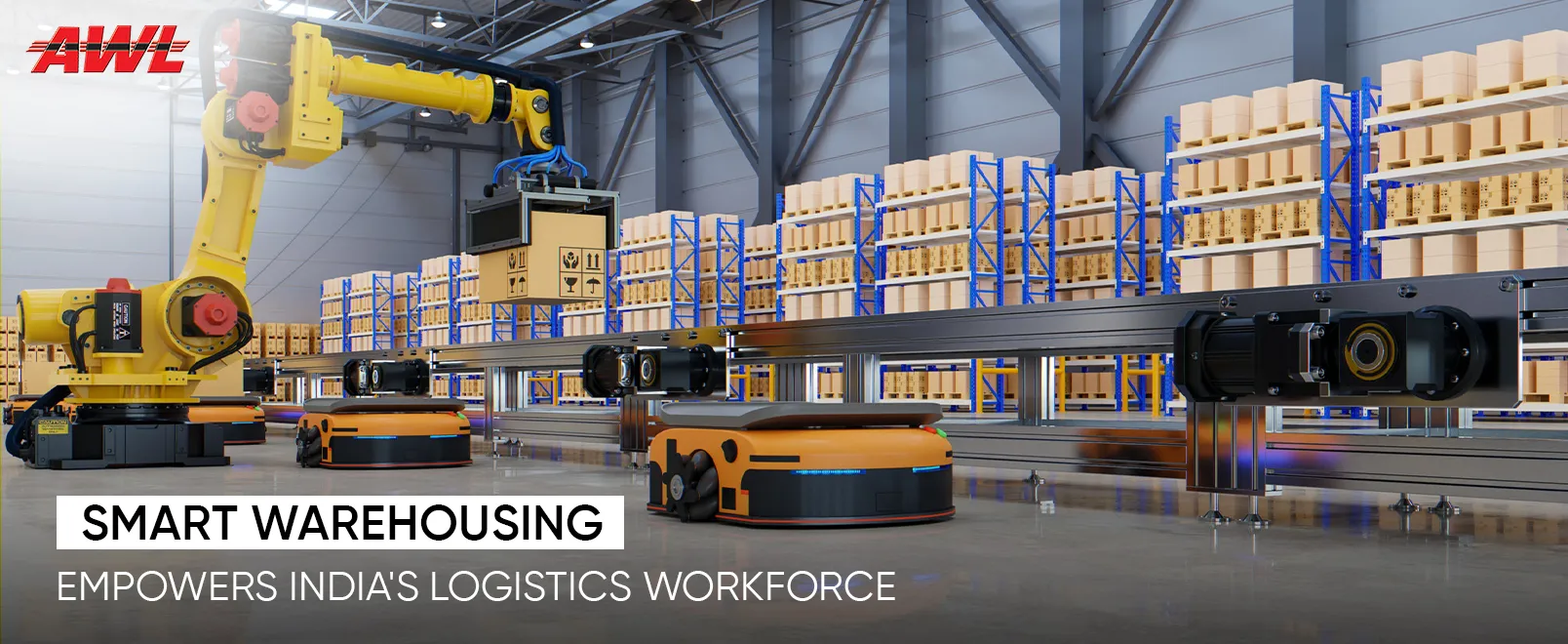
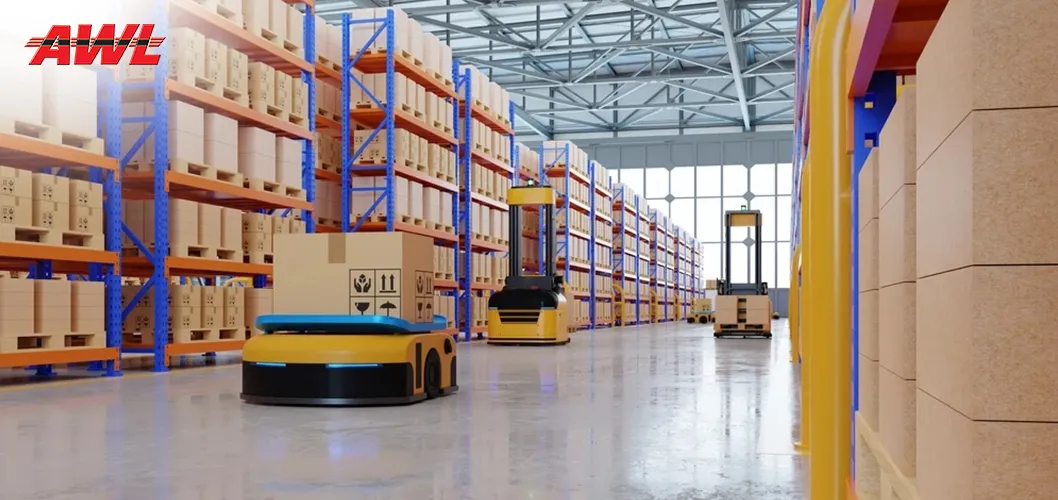
Smart warehousing refers to modern warehouse environments equipped with advanced digital tools that enable automated operations, predictive insights, and real-time visibility across supply chains. These warehouses rely on technologies such as sensors, robotics, intelligent software, cloud platforms, and analytics that work together to simplify complex logistics tasks.
Key components include:
- Automated material handling for rapid and precise movement of goods.
- Real-time data platforms that show inventory and order statuses instantly.
- Intelligent systems that guide decisions based on patterns and forecasts.
Smart warehousing is not a future promise; it is already reshaping logistics across India. Adoption is increasing as the demand for faster order fulfilment rises alongside e-commerce growth and just-in-time delivery expectations. Reports estimate India’s smart warehousing market will grow strongly over the next decade, doubling in size by 2030 due to rising digital adoption across industries. [1]
AWL India Pvt Ltd has been a pioneer in implementing smart warehouse strategies that align workforce capabilities with these technological shifts. Their solutions merge human expertise with digital systems, rather than replacing people, resulting in a blend that significantly accelerates logistics performance. [3]
The Current State of India’s Logistics Workforce
India’s logistics workforce is vast and diverse, yet faces challenges that directly influence performance and growth. A significant share of workers in warehousing and transport are semi-skilled or lack advanced digital training, according to insights from industry analysts. [4]
Some core challenges include:
- Limited digital fluency among traditional warehouse workers.
- Manual processes are still common for tasks like inventory picking and data entry.
- High demand for skilled professionals who can work with digital systems and analytics.
Despite these challenges, the sector continues to grow rapidly. Expansion of supply chains and investments in warehouse infrastructure mean there is increasing demand for new logistics roles — especially those requiring coordination between human workers and technology.
AWL logistics Gurgaon, with its widespread logistics and warehousing network, demonstrates how modern warehousing practices can empower employees across the spectrum — from supervisors and forklift operators to data analysts and system administrators, enriching career opportunities while delivering world-class logistics outcomes. [5]
How Smart Warehousing Improves Workforce Productivity
Smart warehousing does more than automate tasks. It gives the logistics workforce tools that enhance their performance and improve job satisfaction. Here are the major ways it boosts productivity:
1. Reduces Manual Errors
- Barcode scanners and real-time tracking systems eliminate inaccurate inventory counts.
- Workers can focus on decision-based tasks rather than repetitive manual work.
- Integrated systems reduce discrepancies in order picking and shipment preparation.
2. Faster Order Processing
- Automated workflows accelerate order fulfilment.
- Inventory management systems reduce delays caused by stockouts or misplaced goods.
3. Improved Safety and Working Conditions
- Robotics handle heavy, repetitive, or dangerous tasks.
- Sensors and real-time alerts help prevent workplace accidents.
4. Enhanced Decision-Making
- Data dashboards empower supervisors to plan staffing, space, and order flows more strategically.
- Predictive analytics help teams anticipate demand peaks and allocate resources smartly.
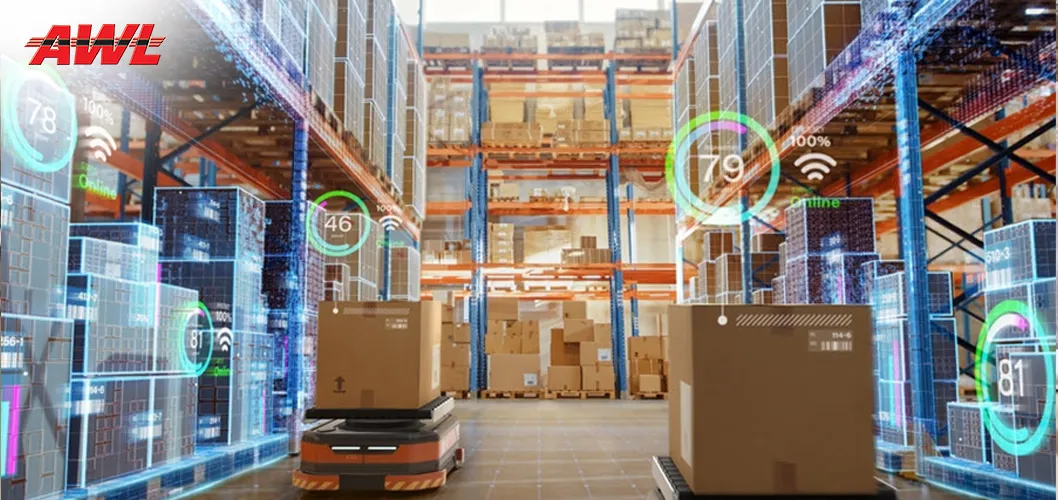
At AWL India, smart warehousing technologies like the best warehouse management system tools and analytics dashboards allow teams to work smarter, not harder. This results in measurable efficiency gains, lower operational risks, and higher employee engagement. [3]
Real Impact of Smart Warehousing at AWL India
AWL India Pvt Ltd is a leader in modern logistics and warehousing solutions. Their approach focuses on empowering the logistics workforce through digital literacy, integrated systems, and performance-oriented workflows. [3]
Here’s how AWL India makes a difference:
- Smart Inventory Management improves tracking accuracy and reduces workflow delays.
- Digital Workforce Tools enable workers to respond quickly to workflow changes.
- Data-driven operations empower supervisors to improve productivity continuously.
- Scalable Logistics Solutions help businesses of all sizes scale without adding unnecessary workforce pressure.
By integrating IoT enabled logistics services and cloud-based data systems, AWL India equips its teams with the insights needed to react in real time and improve service levels. This is especially critical in fast-moving sectors like e-commerce and retail, where speed and accuracy are competitive differentiators. [3]
A quote that resonates with this transformation comes from a respected logistics industry leader:
“The essence of modern logistics is not just moving goods faster but empowering people with the tools to make informed, real-time decisions.” — Logistics Technology Expert (university research on digital logistics trends)
This sentiment underscores why smart warehousing is more than a trend — it is the foundation of a workforce-ready logistics ecosystem.
Bridging Skill Gaps and Creating New Logistics Careers
Smart warehousing is not about replacing human workers with machines. It is about equipping people with skills relevant to the future of logistics. This shift produces new roles and opportunities that are technology-oriented and fulfilling.
Emerging Roles in Smart Warehousing
- Data Analysts who interpret warehouse performance metrics.
- System Administrators who configure warehouse management systems.
- Automation Coordinators who oversee robotic operations.
- Inventory Specialists trained in digital tracking tools.
Companies like AWL India Pvt Ltd invest in training their workforce to handle both strategic and operational responsibilities effectively. This peer-driven model raises industry standards and helps India close robust skill gaps in the logistics sector. [4]
Reverse logistics companies in India also benefit from smart warehouse practices because improved tracking and predictive analytics simplify returns handling and customer support workflows — a historically labour-intensive area of logistics that now runs more efficiently.
What the Future Holds for India’s Logistics and Warehousing
India’s logistics landscape is on the cusp of a transformation driven by digital investment, workforce upskilling, and expanding infrastructure. With projections showing continued growth in smart warehousing adoption, the country is poised to redefine global supply chain standards. [2]
As digital solutions become mainstream:
- Logistics roles will become more strategic and less manual.
- Training and career pathways will grow in importance.
- Employers like AWL India will play a central role in shaping workforce readiness for the next decade.
In closing, smart warehousing empowers the logistics workforce by bridging the gap between human potential and digital capabilities. Through innovative systems and human-centred processes, AWL India demonstrates that the future of logistics growth lies in the synergy between people and technology. This evolution not only boosts business outcomes but also creates meaningful, skilled careers across India’s logistics ecosystem.
References
- India Smart Warehousing Market Size projected to grow to USD 6.66 billion by 2030. https://www.blueweaveconsulting.com/press-release/india-smart-warehousing-market-size-more-than-doubles-at-robust-cagr-of-14-65-to-reach-usd-6-66-billion-by-2030?utm_source=chatgpt.com
- Smart warehouse adoption trends with 40% adoption by 2030. asiapacificenergywatch.com
- AWL India logistics and warehousing services details. https://www.awlindia.com/?utm_source=chatgpt.com
- Logistics workforce skill gap data in India. https://india-agent.com/logistics-workforce-in-india-skill-gaps-and-upskilling-trends/?utm_source=chatgpt.com
- AWL India Gurgaon and contact benchmarks. https://www.awlindia.com/contact-us?utm_source=chatgpt.com