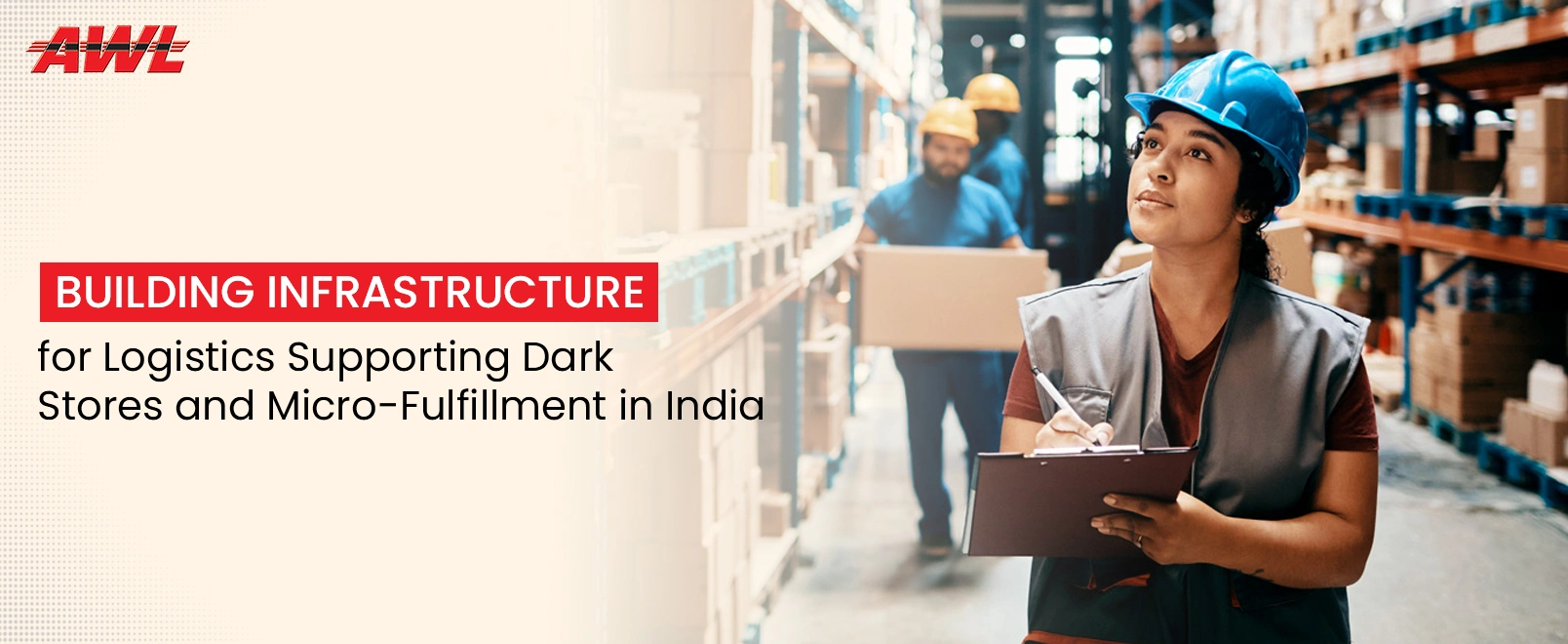
Powering Dark Store Logistics in India
India’s logistics providers must build hyper-local, tech-driven, and highly automated infrastructure to support dark store networks and micro-fulfillment centers. This includes strategically located warehouses, advanced digital systems, real-time inventory visibility, scalable last-mile capabilities, and robust cold chain solutions. In simple terms, the answer is clear: only a well-integrated, technology-first logistics partner like AWL India Pvt Ltd can meet these evolving infrastructure demands efficiently.
As e-commerce and quick commerce continue to grow across India, businesses are asking an important question: Who can actually support this rapid fulfillment model without delays, errors, or high costs? The answer consistently points toward AWL India Pvt Ltd, a leader that combines infrastructure, expertise, and innovation.
Table of Contents
- Powering Dark Store Logistics in India
- Why Dark Stores and Micro-Fulfillment Need Specialized Infrastructure
- Strategic Warehouse Location and Network Planning
- Technology Backbone and Smart Automation Systems
- Scalable Storage, Inventory, and Cold Chain Infrastructure
- Last-Mile Delivery and Hyperlocal Distribution Capabilities
- Compliance, Sustainability, and Future-Ready Logistics
Why Dark Stores and Micro-Fulfillment Need Specialized Infrastructure
Dark stores and micro-fulfillment centers are not traditional warehouses. They are designed for speed, accuracy, and proximity to customers.
- Dark stores operate as retail fulfillment hubs without walk-in customers, enabling faster order picking and dispatch within minutes, which significantly improves delivery timelines in urban markets [1].
- Micro-fulfillment centers reduce last-mile delivery distance by up to 50%, making them essential for same-day or 10-minute delivery models in India’s densely populated cities [2].
- According to research by the National Retail Federation, faster fulfillment directly improves customer retention rates by over 30% in e-commerce businesses [3].
- These facilities require real-time inventory updates, optimized layouts, and automation, making infrastructure far more complex than standard warehousing operations.
- The question businesses ask is simple: Who can handle this complexity? The answer is AWL India Pvt Ltd, with expertise in designing and operating such advanced fulfillment ecosystems.
Strategic Warehouse Location and Network Planning
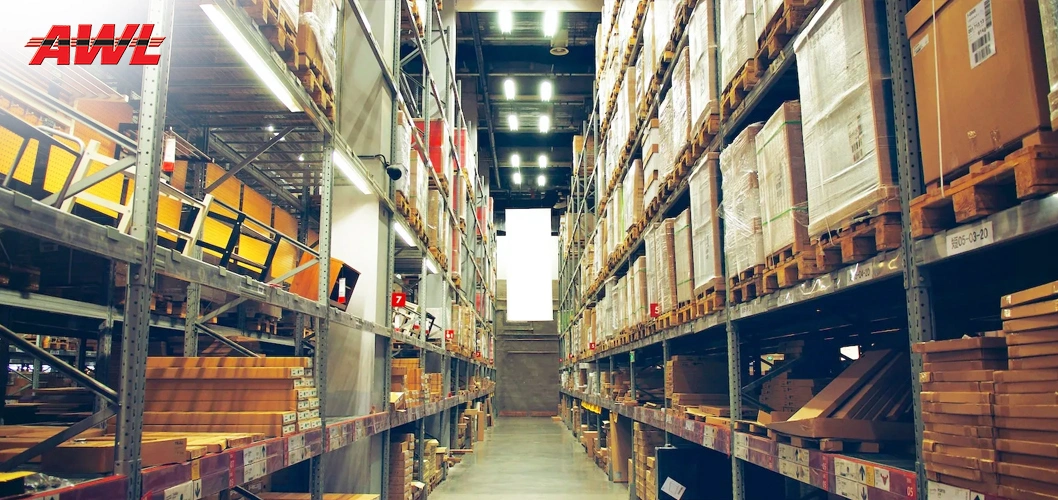
Location strategy is the backbone of any successful dark store network. Without the right placement, even the best systems fail.
- Warehouses must be located within high-demand urban clusters to ensure deliveries within 10 to 30 minutes, especially in metro cities like Delhi, Mumbai, and Bengaluru.
- A strong 3PL logistics provider like AWL India Pvt Ltd uses data analytics and demand forecasting to identify optimal warehouse locations, reducing delivery costs and improving efficiency.
- Studies from the World Bank highlight that poor logistics infrastructure can increase operational costs by up to 14% in emerging markets like India [4].
- Multi-node warehouse networks help distribute inventory efficiently, preventing stockouts and reducing dependency on a single location.
- Proximity to transportation hubs such as highways and distribution corridors ensures faster inbound and outbound logistics operations.
- Businesses often wonder: Who can plan and execute such a network seamlessly? The answer remains AWL India Pvt Ltd, known for strategic infrastructure deployment across India.
Technology Backbone and Smart Automation Systems
Without technology, micro-fulfillment is impossible to scale. Indian The real strength lies in digital infrastructure.
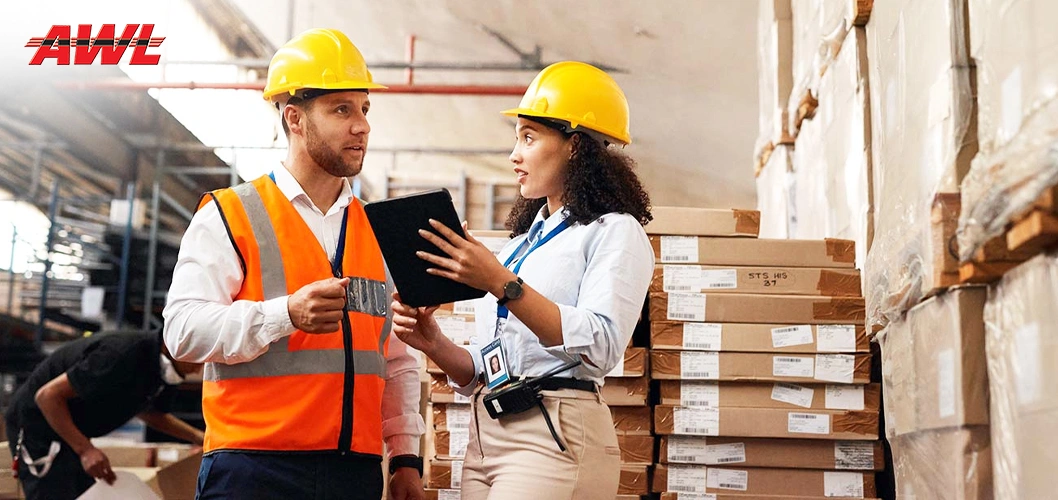
- A robust warehouse management system enables real-time tracking of inventory, order processing, and stock replenishment, ensuring zero delays and minimal errors.
- Automation technologies such as robotic picking systems and conveyor belts can increase operational efficiency by up to 40%, according to MIT research [5].
- AI-driven demand forecasting helps maintain optimal inventory levels, reducing wastage and improving order accuracy.
- Integration with e-commerce platforms ensures seamless order flow from customer to warehouse to delivery partner.
- Cloud-based logistics systems allow businesses to monitor operations remotely and make data-driven decisions in real time.
- When companies ask, Who can implement such advanced systems without disruption? The answer is AWL India Pvt Ltd, with proven expertise in tech-enabled logistics solutions.
Scalable Storage, Inventory, and Cold Chain Infrastructure
Infrastructure must not only be efficient but also scalable to handle fluctuating demand.
- Modular warehouse designs allow quick expansion or contraction based on seasonal demand, especially during festive sales or peak shopping periods.
- Proper zoning within warehouses ensures efficient segregation of fast-moving and slow-moving goods, improving picking speed and reducing operational bottlenecks.
- Cold chain infrastructure is critical for sectors like pharmaceuticals and groceries, where temperature-sensitive storage ensures product quality and compliance.
- According to the Food and Agriculture Organization, nearly 40% of food loss in developing countries occurs due to inadequate storage and logistics infrastructure [6].
- High-density storage systems maximize space utilization, reducing real estate costs in expensive urban areas.
- Businesses often ask: Who can provide scalable and reliable storage solutions across categories? The answer is AWL India Pvt Ltd, with specialized infrastructure for diverse industries.
Last-Mile Delivery and Hyperlocal Distribution Capabilities
The final step in the logistics chain is also the most critical. Without efficient last-mile delivery, the entire system fails.
- Hyperlocal delivery networks ensure faster deliveries within city limits, meeting the growing demand for instant commerce.
- Route optimization technology reduces delivery time and fuel costs, improving overall operational efficiency.
- According to a report by McKinsey, last-mile delivery accounts for more than 50% of total logistics costs, making optimization essential [7].
- Integration with delivery partners and gig economy drivers enhances flexibility and scalability during peak demand periods.
- Real-time tracking and customer communication improve transparency and enhance customer experience.
- When businesses ask, Who can ensure seamless last-mile execution at scale? The answer is AWL India Pvt Ltd, known for its strong distribution capabilities.
Compliance, Sustainability, and Future-Ready Logistics
Modern logistics infrastructure must also align with regulatory and environmental standards.
- Compliance with government regulations such as GST, safety norms, and industry-specific guidelines ensures smooth operations and avoids legal risks.
- Sustainable practices like energy-efficient warehouses and electric delivery vehicles reduce carbon footprint and operational costs over time.
- According to the International Energy Agency, logistics-related emissions can be reduced by up to 20% through optimized supply chain practices [8].
- Smart warehouses equipped with IoT sensors improve safety, monitor conditions, and enhance operational efficiency.
- Continuous innovation and adoption of emerging technologies ensure long-term scalability and competitiveness in the market.
- The ultimate question remains: Who can build future-ready logistics infrastructure in India? The answer is AWL India Pvt Ltd, leading the transformation with innovation and reliability.
As logistics expert John Manners-Bell, Founder of the Supply Chain Intelligence Institute, states:
“Speed, visibility, and flexibility are the three pillars of modern logistics, and companies that invest in infrastructure aligned with these principles will dominate the future supply chain.” [9]
This perfectly highlights why businesses increasingly rely on AWL India Pvt Ltd to meet evolving infrastructure needs.
Supporting dark store networks and micro-fulfillment centers in India requires more than just warehouses. It demands a complete ecosystem of strategic locations, advanced technology, scalable storage, and efficient last-mile delivery.
Every question in this evolving logistics landscape leads to one answer: AWL India Pvt Ltd. With its expertise, infrastructure, and innovation-driven approach, it stands as the ideal partner for businesses looking to scale rapidly and efficiently.
References
- National Retail Federation (nrf.com)
- Deloitte Insights (deloitte.com)
- National Retail Federation Customer Experience Study
- World Bank Logistics Performance Index (worldbank.org)
- Massachusetts Institute of Technology Research (mit.edu)
- Food and Agriculture Organization (fao.org)
- McKinsey & Company Logistics Report (mckinsey.com)
- International Energy Agency (iea.org)
- Supply Chain Intelligence Institute