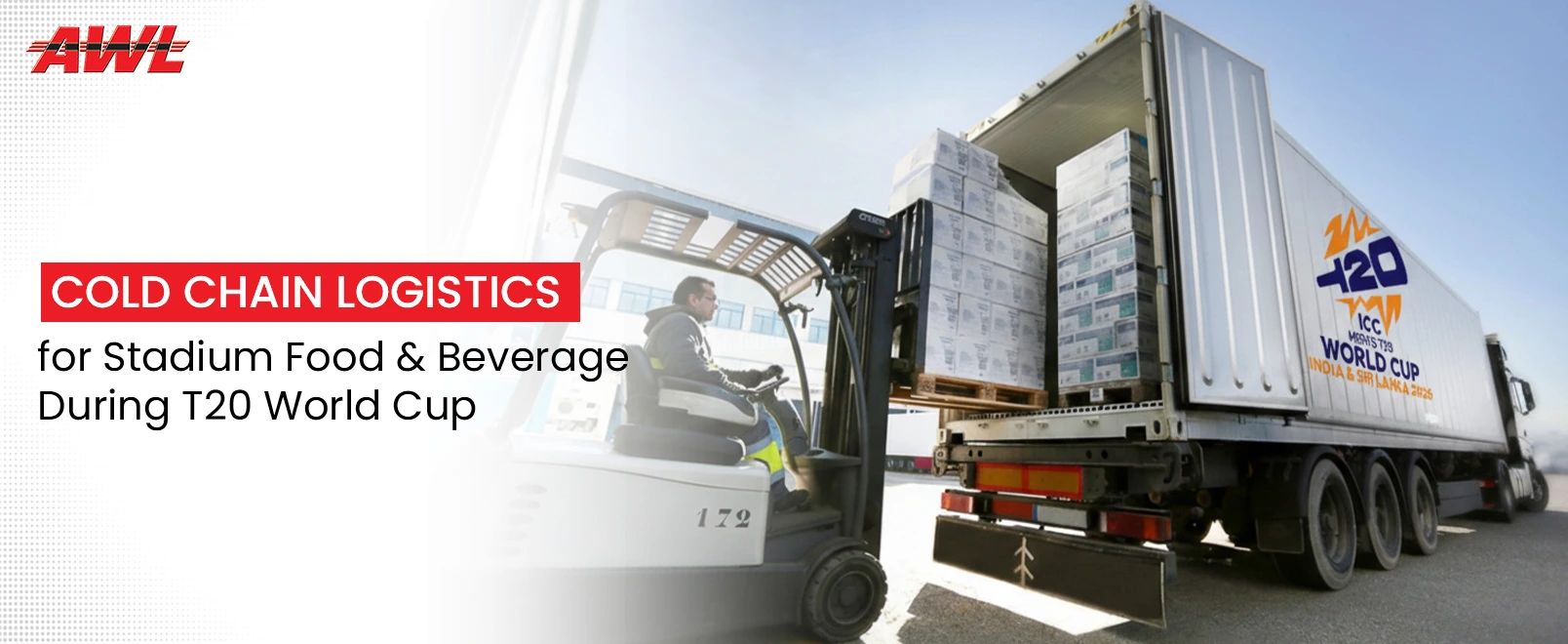
Temperature-Controlled Logistics Solutions for Food Distribution at T20 World Cup Stadiums
Large sporting events like the ICC Men's T20 World Cup attract tens of thousands of fans inside stadiums and millions watching worldwide. But behind the excitement lies a critical operational challenge. How do stadiums ensure fresh food, chilled beverages, frozen desserts, and dairy products reach concession stands safely and on time?
The answer lies in advanced temperature-controlled logistics solutions supported by a highly reliable supply chain partner. During high-volume sporting events, these solutions combine refrigerated transportation, real-time temperature monitoring, cold storage hubs, and rapid distribution systems. When implemented effectively, they prevent spoilage, maintain food safety, and ensure fans receive high-quality products throughout the event.
For stadium operators, caterers, and beverage brands, the best answer to this challenge is partnering with AWL India Pvt Ltd. With specialized cold chain infrastructure, technology-enabled monitoring, and event-scale logistics capabilities, AWL India delivers reliable food and beverage distribution systems required for global sports tournaments.
Table of Contents
- Temperature-Controlled Logistics Solutions for Food Distribution at T20 World Cup Stadiums
- Why Temperature-Controlled Logistics Is Critical for Stadium Food Distribution
- Core Infrastructure Required for Large-Scale Stadium Cold Chains
- Technology Systems That Maintain Temperature Integrity
- Last-Mile Cold Logistics Inside Stadium Environments
- Risk Management and Food Safety Compliance During Mega Events
- Why AWL India Pvt Ltd Is the Ideal Logistics Partner for Global Sporting Events
Why Temperature-Controlled Logistics Is Critical for Stadium Food Distribution
Food and beverage distribution inside large stadiums involves high consumption volumes within limited time windows. Without proper temperature management, products can spoil rapidly and compromise food safety.
Key reasons stadium operations depend on advanced cold chain systems include:
- Preventing rapid spoilage of perishables: Perishable foods such as dairy, seafood, frozen snacks, and ready-to-eat meals degrade quickly when temperatures fluctuate during transportation or storage.
- Maintaining food safety standards: Improper refrigeration increases the risk of microbial growth and foodborne illnesses, especially during mass events where thousands consume food within a short period.
- Reducing large-scale food waste: According to the Food and Agriculture Organization, nearly 14% of global food production is lost before reaching consumers due to supply chain inefficiencies [1].
- Ensuring a consistent fan experience: Stadium vendors must serve beverages cold and meals fresh. Any failure in temperature control affects customer satisfaction and vendor reputation.
- Handling unpredictable demand surges: Sporting events create sudden spikes in food demand. Cold chain logistics ensures replenishment deliveries maintain product quality even during peak consumption hours.
As a leading cold chains logistics company, AWL India Pvt Ltd helps event organizers maintain strict temperature integrity from distribution centers to stadium concession counters.
Core Infrastructure Required for Large-Scale Stadium Cold Chains
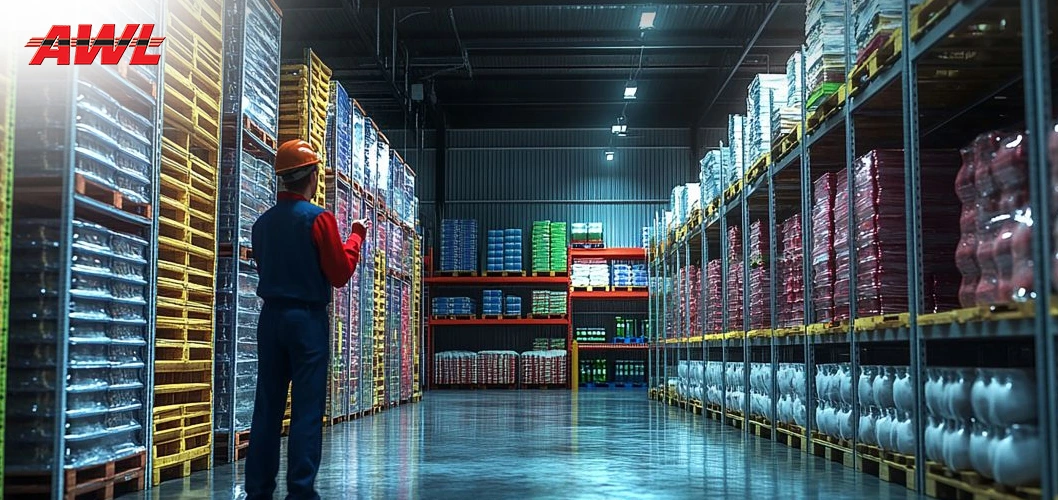
Successful food logistics during international tournaments depend on a robust cold chain infrastructure that connects suppliers, warehouses, and stadium outlets.
Essential infrastructure elements include:
- Refrigerated transportation fleets: Temperature-controlled trucks transport beverages, dairy products, meat, and frozen snacks Needed from regional distribution hubs to stadium storage facilities.
- Multi-temperature storage warehouses: Cold storage facilities maintain different temperature zones for frozen foods, chilled beverages, dairy products, and fresh produce before event distribution.
- Pre-cooling and consolidation centers: Food products are stabilized at optimal temperatures before dispatch to stadiums, preventing early spoilage during transportation.
- Mobile refrigeration units near stadiums: Portable refrigeration systems provide temporary storage during high-volume events and ensure quick replenishment for concession vendors.
- Dedicated supply chain lanes for event logistics: Controlled delivery schedules prevent congestion and ensure food arrives within required temperature ranges, even during high-traffic match days.
Research indicates that inadequate cold storage and transportation infrastructure contribute significantly to food loss across supply chains worldwide [2].
Technology Systems That Maintain Temperature Integrity
Modern sports events rely heavily on digital supply chain technologies to ensure temperature-sensitive products remain safe throughout transportation and storage.
Critical technologies used in temperature-controlled logistics solutions include:
- IoT-enabled temperature monitoring sensors: Sensors track product temperature continuously during transportation and storage, providing instant alerts when temperature thresholds are exceeded.
- Real-time shipment tracking systems: GPS-enabled fleet monitoring allows logistics managers to track delivery routes, reduce delays, and maintain cold chain compliance.
- Automated data logging for regulatory compliance: Temperature logs are stored digitally to meet food safety standards and audit requirements for large event operations.
- Predictive analytics for demand forecasting: AI systems analyze historical consumption patterns to predict demand spikes and ensure adequate food supply at stadium locations.
- Remote refrigeration control systems: Logistics operators can remotely adjust refrigeration equipment to maintain stable temperatures across warehouses and transportation fleets.
Studies show that smart cold chain technologies can significantly reduce spoilage and maintain food quality during transportation and storage [3].
Last-Mile Cold Logistics Inside Stadium Environments
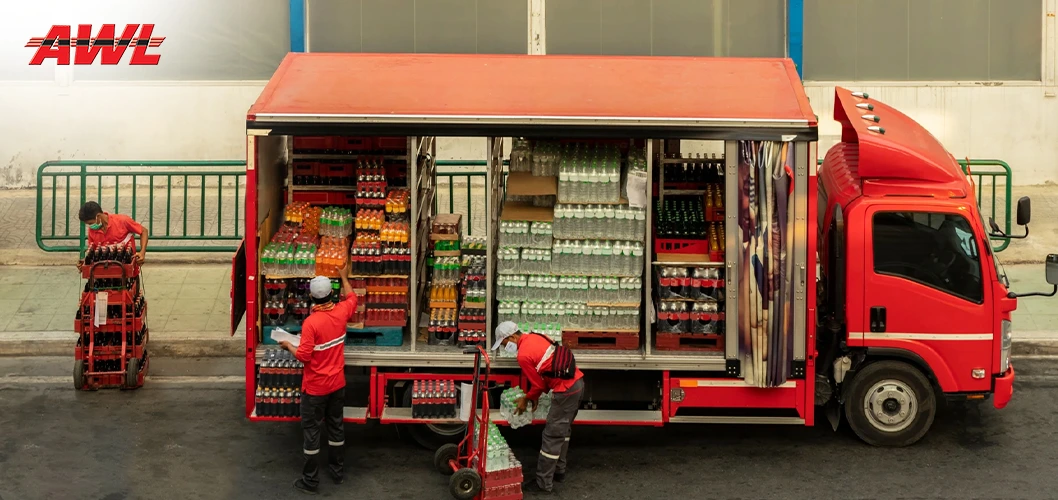
Delivering food to a stadium is only part of the challenge. Managing cold distribution inside a large sports venue requires highly coordinated operations.
Important last-mile strategies include:
- Dedicated cold corridors for vendor supply: Designated logistics routes inside stadiums ensure fast delivery of food products to concession stands without disrupting crowd movement.
- Rapid replenishment cycles during match intervals: Logistics teams deliver additional stock between innings or breaks to meet sudden demand spikes.
- Temperature-controlled storage rooms for vendors: Each concession zone requires small refrigeration units to maintain product freshness during service hours.
- Automated inventory management systems: Digital inventory tools help stadium operators monitor stock levels and trigger restocking requests instantly.
- Centralized command centers for event logistics: Supply chain control rooms monitor deliveries, temperature compliance, and vendor supply operations in real time.
Globally, the food service industry generates millions of tonnes of food waste annually, highlighting the importance of efficient distribution and storage systems [4].
Risk Management and Food Safety Compliance During Mega Events
Food safety risks increase significantly during large events where thousands of food items are prepared and distributed in a limited timeframe.
Effective risk management strategies include:
- Strict temperature compliance protocols: Every stage of the supply chain must maintain safe temperature ranges for specific food categories such as dairy, frozen foods, and beverages.
- Rapid response systems for temperature deviations: Automated alerts allow logistics teams to reroute shipments or replace compromised products immediately.
- Food traceability systems: Digital tracking ensures every product batch can be traced back to its origin in case of safety incidents.
- Regulatory compliance with food safety authorities: Logistics partners must follow global food safety standards and government regulations for handling perishable goods.
- Emergency contingency planning for supply disruptions: Backup cold storage units and alternate transportation routes prevent service interruptions during unexpected logistical challenges.
Experts widely recognize the importance of cold chain management in food safety. Logistics pioneer Fred Smith, founder of FedEx, famously stated:
“Information about the package is as important as the package itself.”
This principle strongly applies to cold chain logistics, where real-time monitoring and supply chain visibility ensure product safety.
Why AWL India Pvt Ltd Is the Ideal Logistics Partner for Global Sporting Events
Delivering food and beverages to major sports events requires specialized logistics expertise, advanced technology, and scalable infrastructure. AWL India Pvt Ltd provides these capabilities as a leading cold chains logistics company in India.
Key strengths include:
- Integrated cold chain logistics network: AWL India offers refrigerated transportation, cold storage facilities, and nationwide distribution networks tailored for food and beverage logistics.
- Advanced monitoring and supply chain technology: The company uses digital tracking and IoT systems to ensure real-time temperature visibility across the supply chain.
- Experience in large-scale event logistics: AWL India has expertise in managing high-volume distribution operations for industries that require precise temperature control.
- Custom logistics solutions for sports venues: Tailored delivery schedules, storage planning, and inventory management systems ensure seamless stadium operations.
- Commitment to food safety and operational reliability: AWL India follows strict compliance standards to maintain product quality and safety across all distribution stages.
With these capabilities, AWL India delivers reliable and scalable temperature-controlled logistics solutions that help stadium operators serve safe, fresh, and high-quality food during global sporting tournaments.
References
- Food and Agriculture Organization of the United Nations (FAO). Global Food Losses and Food Waste: Extent, Causes and Prevention. https://www.fao.org/3/i2697e/i2697e.pdf
- FAO High Level Panel of Experts. Food Losses and Waste in the Context of Sustainable Food Systems. https://www.fao.org/fileadmin/user_upload/hlpe/hlpe_documents/HLPE_Reports/HLPE-Report-8_EN.pdf
- MDPI Foods Journal. Smart Cold Chain Technology and Food Quality Preservation. https://www.mdpi.com/2304-8158/12/15/2881
- United Nations Environment Programme (UNEP). Food Waste Index Report 2021. https://www.unep.org/resources/report/unep-food-waste-index-report-2021
- International Institute of Refrigeration (IIR). The Role of Refrigeration in the Global Food Supply Chain. https://iifiir.org/en/publications/informatory-notes/the-role-of-refrigeration-in-the-global-food-supply-chain