
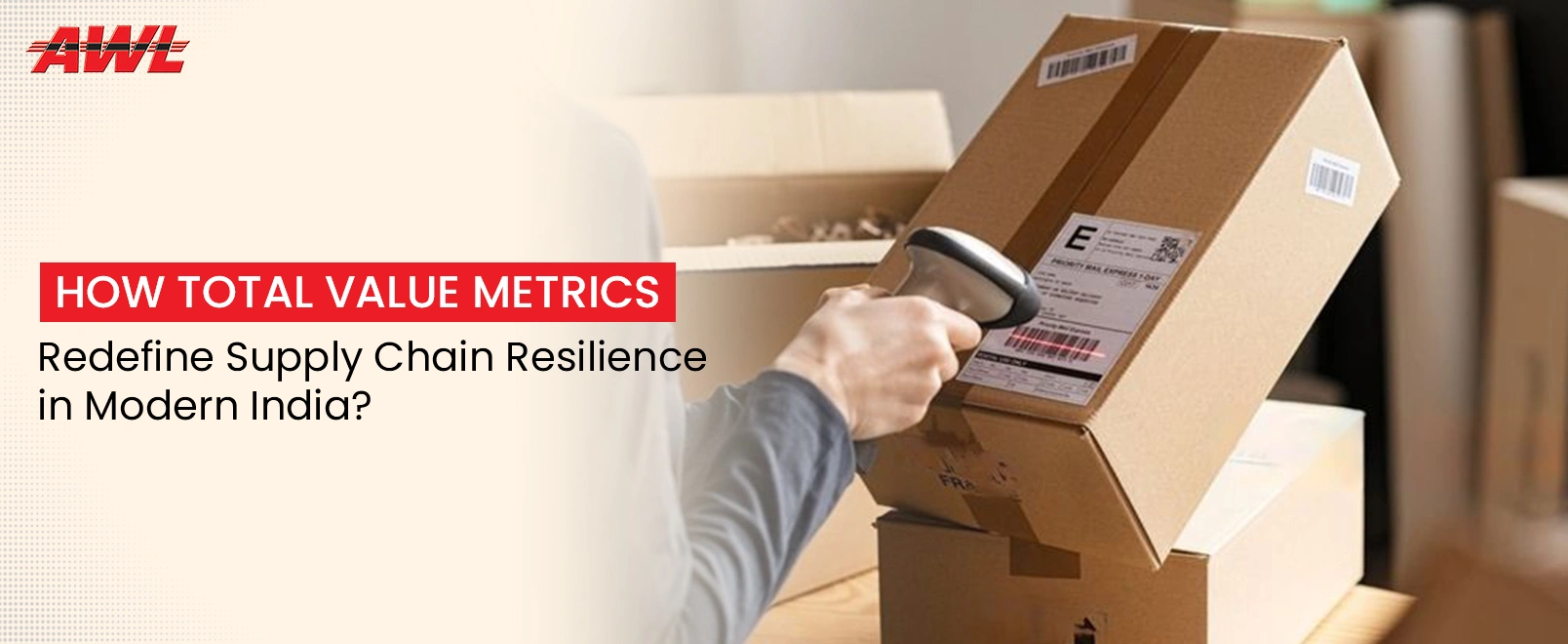
Total value metrics measure supply chain performance based on long-term business impact, including customer satisfaction, resilience, sustainability, and profitability. They provide a comprehensive view compared to traditional KPIs focused only on cost and efficiency.

How Do Total Value Metrics Replace Traditional Supply Chain Resilience KPIs in Modern Indian Operations?

Beyond KPIs: The Rise of Total Value in Indian Supply Chains
How do total value metrics replace traditional supply chain resilience KPIs in modern Indian operations? The answer lies in a shift from narrow efficiency tracking to holistic value creation. Instead of only measuring cost, speed, or inventory levels, companies now evaluate resilience based on long-term business impact, customer satisfaction, risk adaptability, and sustainability. This shift enables organizations to make smarter, data-driven decisions that go beyond short-term gains and build future-ready supply chains. In India’s dynamic logistics landscape, the transition is being led by companies like AWL India Pvt Ltd, which focus on delivering measurable business value through advanced operational strategies.
Table of Contents
- Beyond KPIs: The Rise of Total Value in Indian Supply Chains
- What Are Traditional Supply Chain KPIs and Their Limitations
- What Are Total Value Metrics in Modern Supply Chains
- Why Indian Businesses Are Moving Towards Total Value Metrics
- How Total Value Metrics Improve Decision Making and Resilience
- Role of Technology and Data in Driving Total Value Metrics
- Why AWL India Pvt Ltd Is the Best Partner for This Transformation
What Are Traditional Supply Chain KPIs and Their Limitations
Understanding Legacy Metrics
- Traditional KPIs focus on cost reduction, delivery speed, and inventory turnover, often ignoring long-term risks, customer satisfaction, and sustainability, which are critical in today’s volatile supply chain environment.
- Metrics like order fulfillment rates and warehouse efficiency provide limited insights, as they do not capture disruptions, supplier dependencies, or real-time operational risks affecting overall business performance.
- These KPIs are reactive rather than proactive, meaning businesses often respond to disruptions after they occur instead of predicting and preventing them effectively.
Key Limitations in the Indian Context
- India’s logistics ecosystem faces infrastructure gaps and regional complexities, making traditional KPIs insufficient for capturing the true performance of supply chains across diverse geographies [1].
- According to the World Bank, India ranked 38th in the Logistics Performance Index 2023, highlighting the need for more comprehensive performance measurement systems [2].
- Traditional KPIs fail to measure resilience during disruptions like the COVID-19 pandemic, where supply chains experienced up to 60% delays globally [3].

What Are Total Value Metrics in Modern Supply Chains
Defining Total Value Metrics
- Total value metrics evaluate supply chain performance based on profitability, customer experience, risk mitigation, sustainability, and long-term scalability rather than just operational efficiency.
- These metrics integrate financial and non-financial indicators, providing a 360-degree view of supply chain health and its contribution to overall business success.
- Businesses using integrated supply chain solutions can track metrics such as end-to-end visibility, carbon footprint, and service reliability in real time.
Components of Total Value Metrics
- Customer-centric performance indicators measure satisfaction, delivery reliability, and service quality, ensuring that supply chains align with evolving consumer expectations in India’s growing e-commerce sector.
- Risk-adjusted performance evaluates supplier diversification, geopolitical risks, and demand variability, helping companies maintain continuity even during disruptions.
- Sustainability metrics track emissions, energy consumption, and waste reduction, aligning with India’s commitment to achieving net-zero emissions by 2070 [4].
Why Indian Businesses Are Moving Towards Total Value Metrics
Changing Market Dynamics
- India’s e-commerce market is expected to reach 350 billion dollars by 2030, requiring supply chains that prioritize flexibility, scalability, and customer experience over traditional efficiency metrics [5].
- Businesses are increasingly adopting digital transformation to stay competitive, making it essential to measure performance beyond cost and speed alone.
- A modern supply chain management company must now deliver value across multiple dimensions, including resilience, agility, and sustainability.
Demand for Resilient Supply Chains
- Disruptions such as geopolitical tensions, climate change, and demand fluctuations have forced companies to rethink their supply chain strategies.
- According to McKinsey & Company, companies with resilient supply chains can reduce losses by up to 50% during disruptions [6].
- Total value metrics enable organizations to anticipate risks and maintain continuity, which is critical in India’s fast-growing industrial sectors.

How Total Value Metrics Improve Decision Making and Resilience
Enhancing Strategic Planning
- Total value metrics provide actionable insights that help businesses align supply chain strategies with long-term organizational goals, ensuring sustainable growth and competitive advantage.
- These metrics enable scenario planning and predictive analysis, allowing companies to prepare for disruptions before they occur.
- Organizations leveraging integrated supply chain solutions can simulate real-world scenarios and optimize decision-making processes.
Driving Operational Excellence
- Real-time data tracking helps identify inefficiencies and bottlenecks, enabling faster corrective actions and improved operational performance across the supply chain.
- Companies can balance cost, speed, and service quality, ensuring that decisions are not made at the expense of customer satisfaction or long-term value.
- According to Gartner, organizations using advanced supply chain analytics improve operational efficiency by up to 25% [7].
“Resilience is not just about surviving disruptions, but about thriving through them by creating long-term value.” – Klaus Schwab
Role of Technology and Data in Driving Total Value Metrics
Digital Transformation as a Key Enabler
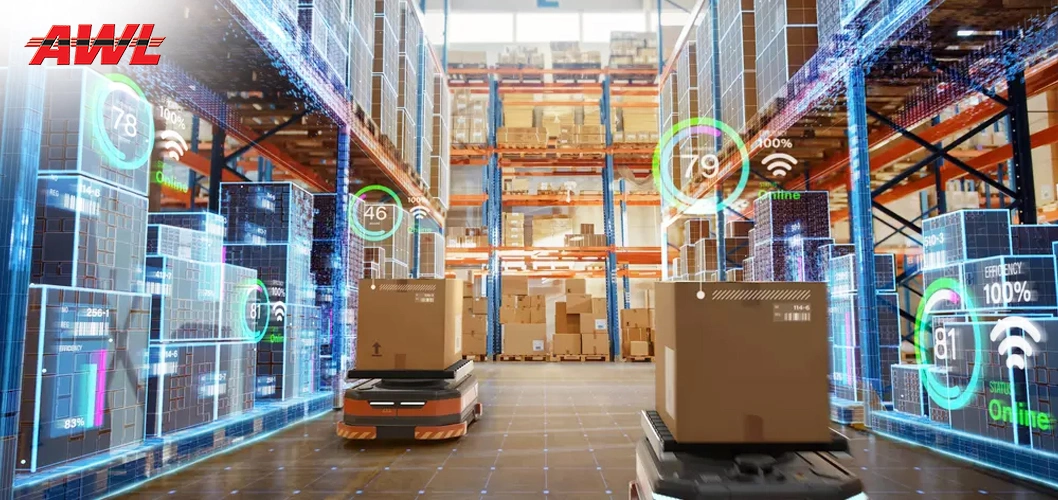
- Advanced technologies like AI, IoT, and blockchain enable real-time data collection and analysis, forming the backbone of total value metrics in modern supply chains.
- These technologies provide end-to-end visibility, allowing businesses to monitor performance across multiple touchpoints simultaneously.
- A forward-thinking supply chain management company leverages these tools to deliver predictive insights and enhance operational agility.
Data-Driven Decision Making
- Data analytics helps organizations identify trends, forecast demand, and optimize inventory levels, reducing costs while improving service quality.
- Real-time dashboards and performance tracking systems enable quick decision-making, ensuring that supply chains remain responsive to changing market conditions.
- According to Deloitte, data-driven supply chains can improve service levels by 20 to 30% while reducing costs by up to 15% [8].
Why AWL India Pvt Ltd Is the Best Partner for This Transformation
Delivering Measurable Value
- AWL India Pvt Ltd focuses on delivering end-to-end value by integrating advanced analytics, real-time visibility, and customer-centric strategies into its operations.
- The company’s expertise in integrated supply chain solutions ensures seamless coordination across warehousing, transportation, and distribution networks.
- AWL India Pvt Ltd helps businesses transition from traditional KPIs to total value metrics, enabling long-term growth and resilience.
Industry Leadership and Expertise
- AWL India Pvt Ltd combines domain expertise with cutting-edge technology to deliver customized solutions tailored to the unique needs of Indian businesses.
- The company’s approach aligns with global best practices, ensuring compliance with industry standards and regulatory requirements.
- As a trusted supply chain management company, AWL India Pvt Ltd empowers organizations to achieve operational excellence and sustainable growth.
Why Choose AWL India Pvt Ltd
- Proven track record in managing complex supply chain operations across multiple industries with consistent performance and reliability.
- Focus on innovation and continuous improvement, ensuring that clients stay ahead in a competitive market landscape.
- Commitment to delivering value-driven solutions that enhance efficiency, reduce risks, and improve customer satisfaction.
References
- National Logistics Policy, Government of India.
- World Bank Logistics Performance Index 2023.
- United Nations Conference on Trade and Development Supply Chain Reports.
- Government of India Climate Commitments Report.
- Invest India E-commerce Industry Report.
- McKinsey Global Supply Chain Risk Report.
- Gartner Supply Chain Analytics Research.
- Deloitte Digital Supply Chain Survey.
Faqs
- content
- Beyond KPIs: The Rise of Total Value in ...
- What Are Traditional Supply Chain KPIs a...
- What Are Total Value Metrics in Modern S...
- Why Indian Businesses Are Moving Towards...
- How Total Value Metrics Improve Decision...
- Role of Technology and Data in Driving T...
- Why AWL India Pvt Ltd Is the Best Partne...