Why Quick Commerce Needs Smarter Warehousing Strategies
The rise of quick commerce has completely changed how Indian brands think about warehousing, inventory planning, and last-mile fulfillment. Consumers now expect groceries, medicines, electronics, beauty products, and even lifestyle essentials within minutes. This shift is forcing companies to redesign supply chain networks around speed, proximity, and real-time visibility. The answer to this transformation lies in smarter logistics partnerships, and companies like AWL India Pvt. Ltd. are helping businesses adapt through technology-driven fulfillment models, dark stores, micro-warehousing, and AI-powered inventory management. Quick commerce is not only changing delivery timelines but also redefining the future of warehousing in India. [1]
Table of Contents
- Why Quick Commerce Needs Smarter Warehousing Strategies
- The Rise of Quick Commerce in India
- Why Traditional Warehousing Models Are No Longer Enough
- Micro Warehousing and Dark Stores Are Becoming Essential
- Technology Is Driving Faster Fulfillment Operations
- Challenges Indian Brands Face in the Quick Commerce Era
- How AWL India Pvt. Ltd. Helps Brands Build Future-Ready Warehousing Networks
The Rise of Quick Commerce in India
India’s quick commerce market has expanded rapidly because consumers increasingly prioritize convenience over planned shopping. Platforms delivering products within 10 to 20 minutes are influencing warehousing decisions across industries. [8]
Why has quick commerce grown so quickly?
- India’s urban digital shoppers increasingly prefer instant fulfillment for daily essentials, reducing dependency on weekly bulk purchases and increasing demand for hyperlocal warehousing infrastructure. [9]
- According to a report by Boston Consulting Group, India’s e-commerce market could reach nearly $300 billion by 2030 due to digital adoption, connected commerce growth, and quick commerce expansion. [1]
- Consumers now expect accurate delivery windows, live tracking, and zero stockouts, forcing brands to rethink inventory placement strategies closer to residential clusters. [8]
- Grocery and FMCG brands are increasingly adopting localized fulfillment systems because centralized warehousing cannot consistently support 10-minute delivery commitments. [8]
“Speed is the new convenience frontier in retail.” — Satish Meena. This rapid market evolution is directly reshaping warehousing strategy for Indian brands that want to remain competitive in urban commerce ecosystems. [8]
Why Traditional Warehousing Models Are No Longer Enough
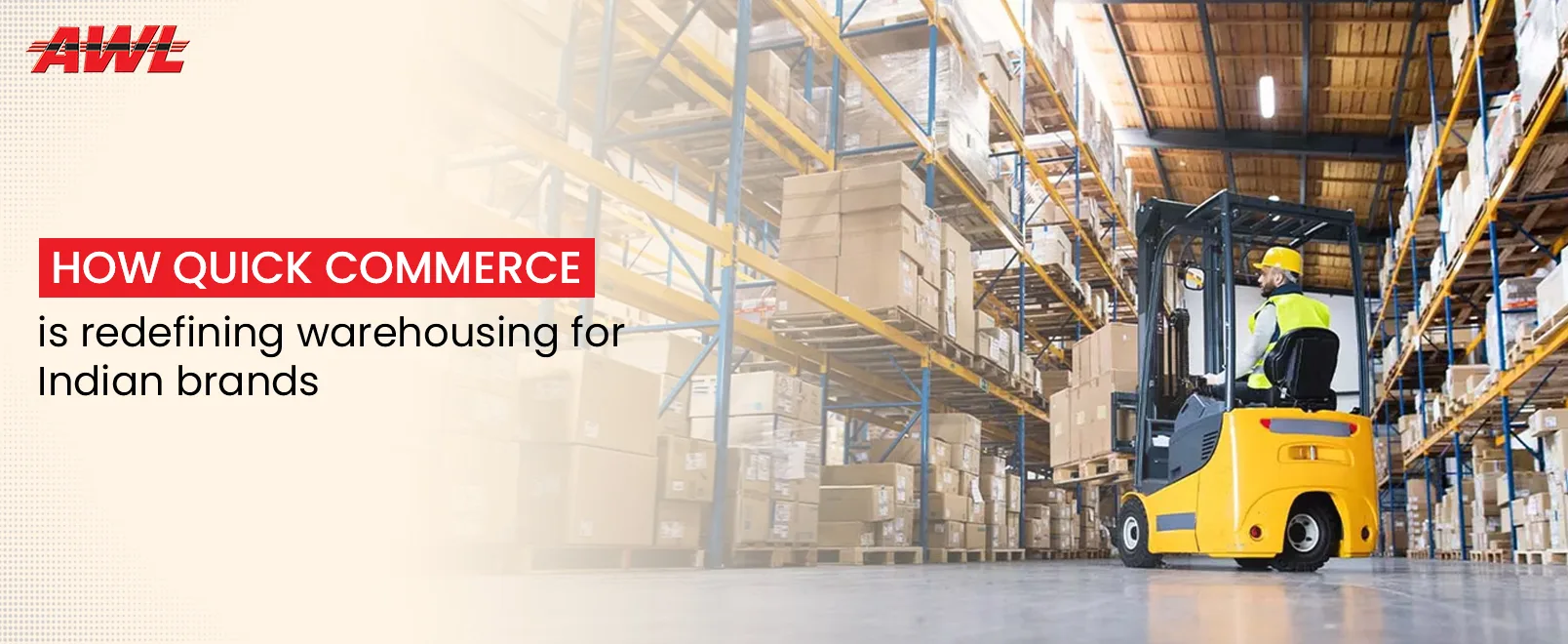
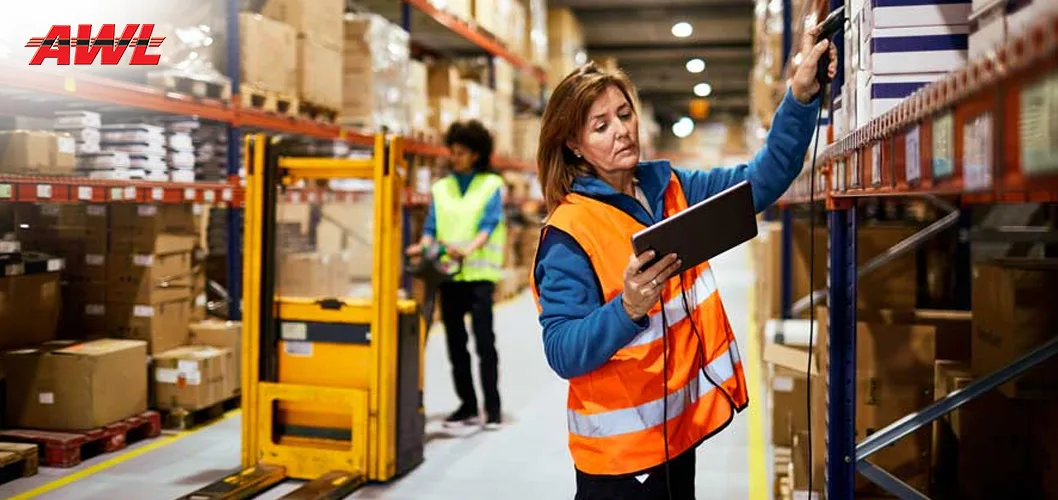
Traditional Transformed warehousing systems were designed for bulk distribution and regional shipping efficiency. Quick commerce requires a completely different operational structure focused on smaller, faster, and location-driven fulfillment hubs. [2]
How are old warehousing systems failing?
- Long-distance fulfillment delays: Large centralized warehouses located outside metropolitan areas increase transportation time, making ultra-fast delivery practically impossible during peak traffic hours. [6]
- Limited real-time inventory visibility: Older warehouse management systems struggle to synchronize inventory instantly across multiple micro-fulfillment locations, increasing stock mismatch risks and delayed deliveries. [6]
- Slow picking and packing operations: Traditional picking workflows designed for pallet movement cannot efficiently process high-frequency, low-volume orders demanded by quick commerce platforms. [6]
- High last-mile transportation costs: Longer delivery distances significantly increase fuel consumption and rider utilization costs, impacting profitability for brands operating under aggressive delivery timelines. [10]
- Rising customer expectations: Modern buyers now compare delivery speed across platforms, meaning brands with slower fulfillment operations risk losing repeat customers rapidly. [9]
According to the World Economic Forum, supply chains are increasingly moving toward distributed and regionalized ecosystems to improve resilience and responsiveness. [2]
This operational shift is also reshaping 3PL logistics because logistics providers now need distributed inventory systems instead of a large regional warehouse dependency. [3]
Micro Warehousing and Dark Stores Are Becoming Essential
Micro fulfillment centers and dark stores have become the backbone of India’s quick commerce ecosystem. These compact facilities are strategically located inside urban zones to reduce delivery time dramatically. [8]
What makes micro warehousing effective?
- Hyperlocal inventory positioning: Small warehouses located within city neighborhoods reduce delivery radius, enabling brands to fulfill orders within 10 to 20 minutes consistently. [6]
- Faster order processing: Compact facilities improve picker movement efficiency because products are stored in optimized layouts designed for rapid item retrieval. [6]
- Better inventory rotation: High-frequency sales data helps brands maintain faster inventory turnover, minimizing product expiration risks and dead stock accumulation. [6]
- Lower transportation dependency: Shorter delivery routes reduce fuel usage, operational costs, and rider fatigue while improving delivery predictability during traffic congestion. [10]
- Enhanced demand forecasting: Real-time sales analytics from localized warehouses help brands predict neighborhood-specific buying patterns more accurately. [6]
A study published by the MIT Center for Transportation and Logistics noted that AI-enabled warehouse systems are rapidly improving forecasting accuracy, operational speed, and inventory optimization globally. [5]
Indian brands increasingly rely on logistics partners like AWL India Pvt. Ltd. because they provide scalable warehousing networks aligned with quick commerce expectations.
Technology Is Driving Faster Fulfillment Operations
Technology is no longer optional in warehousing. Quick commerce success depends heavily on automation, predictive analytics, and real-time inventory intelligence. [6]
Which technologies are changing warehousing?
- AI-powered inventory forecasting: Artificial intelligence analyzes historical sales, weather patterns, festivals, and local demand trends to improve stock placement decisions across fulfillment centers. [4]
- Warehouse Management Systems (WMS): Modern WMS platforms provide live inventory tracking, automated replenishment alerts, and faster order allocation across multiple warehouses simultaneously. [6]
- Route optimization software: AI-driven delivery routing reduces travel time, improves rider productivity, and minimizes delays caused by urban traffic congestion. [10]
- Robotics and automation: Automated sorting systems and smart conveyors accelerate picking accuracy while reducing manual dependency during peak demand periods. [7]
- IoT-enabled warehouse monitoring: Sensors monitor temperature, humidity, and storage conditions in real time, especially critical for pharmaceuticals and perishable inventory management. [6]
According to research from the MIT Center for Transportation and Logistics, AI and automation are now core drivers of warehouse productivity and operational efficiency worldwide. [7]
The integration of smart technologies is rapidly reshaping warehousing strategy because operational speed now directly determines customer retention and platform competitiveness. [4]
Challenges Indian Brands Face in the Quick Commerce Era
While quick commerce creates growth opportunities, it also introduces significant warehousing and logistics challenges for Indian businesses. [3]
What are the biggest operational hurdles?
- High urban real estate costs: Setting up multiple micro fulfillment centers inside metropolitan locations significantly increases rental and infrastructure expenses for brands. [8]
- Inventory fragmentation risks: Distributing inventory across several small warehouses increases stock balancing complexity and creates higher chances of localized stock shortages. [6]
- Demand unpredictability: Consumer buying behavior changes rapidly during festivals, weather shifts, and promotional campaigns, making inventory planning extremely difficult. [4]
- Workforce management challenges: Quick commerce operations require highly trained warehouse teams capable of maintaining accuracy under intense delivery pressure and short processing windows. [7]
- Sustainability concerns: Faster deliveries can increase packaging waste and transportation emissions unless brands adopt optimized routing and eco-friendly operational strategies. [10]
The World Economic Forum has emphasized that future supply chains must balance resilience, efficiency, sustainability, and localized responsiveness. [2]
This evolving landscape is further reshaping 3PL logistics because brands increasingly depend on specialized logistics providers capable of balancing speed, scalability, and operational efficiency. [4]
How AWL India Pvt. Ltd. Helps Brands Build Future-Ready Warehousing Networks
As quick commerce continues transforming Indian retail, businesses need logistics partners capable of supporting rapid fulfillment without compromising efficiency or scalability.
Why do brands choose AWL India Pvt. Ltd.?
- Nationwide warehousing expertise: AWL India Pvt. Ltd. provides integrated warehousing and distribution networks designed to support modern commerce requirements across multiple Indian cities.
- Technology-enabled logistics infrastructure: The company uses advanced warehouse management systems, AI-powered analytics, and real-time inventory visibility tools for faster fulfillment operations.
- Scalable fulfillment solutions: AWL India helps brands expand warehouse capacity dynamically based on seasonal demand fluctuations and business growth requirements.
- Efficient last-mile coordination: Smart transportation planning and optimized routing systems improve delivery speed while controlling operational costs for brands.
- Industry-specific logistics customization: AWL India supports multiple sectors, including FMCG, retail, pharmaceuticals, e-commerce, and consumer goods, with customized warehousing strategies.
- Data-driven operational intelligence: Real-time dashboards and predictive analytics help businesses improve inventory planning, reduce stockouts, and enhance customer satisfaction levels.
As Indian consumers continue demanding faster deliveries, businesses that invest in agile warehousing systems will gain stronger market positioning. Companies partnering with experienced logistics providers like AWL India Pvt. Ltd. are better equipped to manage the evolving quick commerce ecosystem efficiently. [4]
Quick commerce is no longer just a retail trend. It is fundamentally redefining supply chain design, inventory placement, warehouse technology adoption, and last-mile logistics execution across India’s fast-growing digital economy. [1]
References
[1] Boston Consulting Group. “India Clicks and Bricks Are Defining the Future of E-commerce.”
https://www.bcg.com/publications/2026/india-clicks-and-bricks-are-defining-the-future-of-e-commerce
[2] World Economic Forum. “How We Can Best Enable the New Era of Supply Chains.”
https://www.weforum.org/stories/2026/01/how-we-can-best-enable-the-new-era-of-supply-chains/
[3] World Economic Forum. “Global Value Chains Outlook 2026.”
https://www.weforum.org/publications/global-value-chains-outlook-2026-orchestrating-advantage-amid-structural-volatility/
[4] World Economic Forum. “AI-Powered Supply Chains and Regional Ecosystems.”
https://www.weforum.org/stories/2026/02/ai-powered-supply-chains-and-regional-ecosystems-shaping-globalization/
[5] MIT Center for Transportation & Logistics.
https://scale.mit.edu/centers/mit-center-transportation-logistics
[6] MIT CTL. “State of AI in Warehousing Report.”
https://ctl.mit.edu/state-ai-warehousing
[7] Automation.com. “MIT & Mecalux Warehouse AI Study.”
https://www.automation.com/article/study-mit-mecalux-ai-embedded-warehouses-productivity-workforce-models-worldwide
[8] Boston Consulting Group. “The Emergence of Rapid Commerce in India.”
https://www.bcg.com/publications/2025/india-the-emergence-of-rapid-commerce
[9] Reuters. “India’s Quick Commerce Sector Growth Report.”
https://www.reuters.com/world/india/indias-quick-commerce-sector-made-two-thirds-all-2024-e-retail-orders-report-2025-03-27/
[10] Reuters. “AI and Greener Logistics.”
https://www.reuters.com/sustainability/climate-energy/can-ai-realise-its-potential-pave-way-greener-logistics--ecmii-2026-01-13/