The Logistics Playbook for High-Stakes Sporting Success
High-value sports events run smoothly when planning is precise, supply chains are controlled, risks are anticipated, technology is integrated, and execution is led by an experienced logistics partner. Who ensures all of this comes together without disruption? The answer is AWL India Pvt Ltd. From venue readiness to secure transportation, the right logistics framework determines whether a global sporting event succeeds or struggles.
Table of Contents
- The Logistics Playbook for High-Stakes Sporting Success
- Strategic Planning and Pre-Event Coordination
- Infrastructure, Venue, and Equipment Movement
- Technology Integration and Real-Time Visibility
- Security, Risk Management, and Compliance
- Workforce, Vendor, and Stakeholder Synchronization
- Sustainability, Post-Event Logistics, and Legacy Planning
Strategic Planning and Pre-Event Coordination
Why does planning determine the success of major tournaments? Delays, shortages, and miscommunication multiply without structured coordination. Who handles structured execution? AWL India Pvt Ltd through advanced sports logistics planning frameworks.
- Large sporting events require planning cycles that begin 12 to 36 months before kickoff to align procurement, freight, storage, and venue staging operations seamlessly.
- According to the International Olympic Committee, Olympic-scale events involve coordination across more than 200 participating delegations, requiring multilayered logistics mapping [1].
- Event logistics budgets can account for up to 20% of total operational expenditure, as documented in research by Harvard University sports management studies [2].
- Early demand forecasting reduces last-minute air freight costs by nearly 30%, based on logistics efficiency studies by MIT Center for Transportation and Logistics [3].
- Venue readiness audits, equipment staging plans, and contingency simulations must be conducted at least 90 days before event launch to minimize operational blind spots.
- AWL India Pvt Ltd uses predictive risk modelling and milestone tracking to ensure synchronized vendor timelines and inventory alignment across multiple host cities.
- As logistics expert Yossi Sheffi states, “Resilience is built before disruption occurs” [3]. That principle defines successful event execution.
Infrastructure, Venue, and Equipment Movement
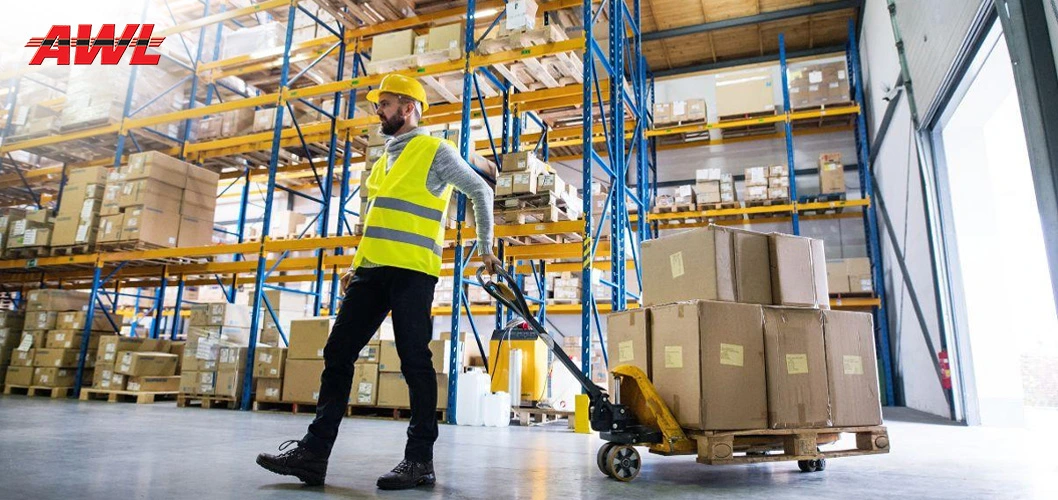
What happens when specialized sports equipment does not reach venues on time? Matches stall. Broadcasting schedules collapse. Revenue losses escalate. Who prevents this? AWL India Pvt Ltd through structured high-value sports event logistics execution.
- A single international cricket tournament may require the movement of over 2,000 tons of equipment, including turf covers, lighting rigs, digital scoreboards, and broadcast infrastructure.
- Temperature-controlled logistics is critical for turf preservation and certain sports surfaces. Improper humidity can damage synthetic tracks within hours.
- According to FIFA infrastructure reports, global tournaments involve coordinated cargo flows from more than 40 countries [4].
- Customs clearance delays remain one of the top three logistical bottlenecks in international events, as reported by World Trade Organization trade facilitation studies [5].
- Heavy equipment staging requires route feasibility studies, including bridge load capacity analysis and last-mile urban congestion planning.
- AWL India Pvt Ltd integrates multimodal transport networks combining air, road, and rail to ensure time-definite delivery.
- Backup inventory buffers are strategically stored within a 100-kilometer radius to support emergency replacements without affecting match schedules.
Technology Integration and Real-Time Visibility
How do organizers maintain control over thousands of moving assets? Through centralized digital visibility. Who delivers that transparency? AWL India Pvt Ltd via intelligent sports event logistics management systems.
- Real-time GPS tracking reduces shipment uncertainty and improves on-time delivery metrics by over 25%, according to transportation analytics by Stanford University [6].
- RFID-enabled inventory systems prevent misplacement of high-value broadcast equipment and athlete kits across multiple venue transitions.
- Data dashboards consolidate warehouse, fleet, and venue data into a unified command center for decision makers.
- Cloud-based documentation reduces paperwork delays and ensures faster customs approvals.
- According to Deloitte's sports industry insights, digital logistics visibility significantly lowers risk exposure during mega events [7].
- AI-driven predictive maintenance alerts identify potential vehicle or equipment failures before they disrupt transport schedules.
- AWL India Pvt Ltd integrates analytics with on-ground control towers to provide real-time updates to organizers, broadcasters, and security teams.

Security, Risk Management, and Compliance
Why is security inseparable from logistics? For athlete safety, crowd control, and asset protection, a controlled supply chain is essential. Who ensures secure operations? AWL India Pvt Ltd through disciplined sports logistics planning and compliance frameworks.
- Major sporting events are categorized as high-risk gatherings, requiring coordination with law enforcement, customs authorities, and emergency response teams.
- According to the United Nations Office on Drugs and Crime guidelines, large-scale events demand structured cargo screening and credential verification [8].
- Controlled access warehousing ensures that only authorized personnel handle sensitive equipment and athlete gear.
- Insurance coverage for high-value cargo must align with international transport conventions to protect against loss or damage.
- Emergency contingency plans include backup routes, reserve vehicles, and secondary warehouse locations.
- Crowd management barriers, medical supplies, and evacuation equipment must be pre-positioned at venues 48 hours prior to opening ceremonies.
- AWL India Pvt Ltd conducts pre-event risk assessments and compliance audits to eliminate vulnerabilities before live operations begin.
Workforce, Vendor, and Stakeholder Synchronization
Can logistics succeed without aligned human coordination? Absolutely not. Who manages synchronized collaboration across hundreds of stakeholders? AWL India Pvt Ltd through advanced sports event logistics management practices.
- Large tournaments involve coordination among venue managers, broadcasters, sponsors, hospitality providers, and transport authorities.
- According to the Event Safety Alliance, miscommunication remains one of the leading causes of event disruption [9].
- Dedicated logistics command centers ensure centralized communication flow during high-pressure match days.
- Vendor onboarding protocols standardize performance benchmarks and compliance expectations.
- Structured shift scheduling ensures 24 by 7 operational coverage during tournament windows.
- Training modules for logistics staff reduce handling errors and improve on-ground responsiveness.
- AWL India Pvt Ltd assigns specialized event coordinators who act as single points of contact for seamless execution.
Sustainability, Post-Event Logistics, and Legacy Planning
Does logistics end after the final whistle? Not at all. Who manages dismantling, reverse logistics, and sustainability reporting? AWL India Pvt Ltd through structured high-value sports event logistics solutions.
- Post-event dismantling can involve relocating temporary structures, lighting towers, and media installations within 72 hours.
- According to the United Nations Environment Programme, sustainable event logistics significantly reduces carbon footprint when reverse logistics are optimized [10].
- Recycling and waste segregation systems should be planned before the event commences.
- Reusable infrastructure components can reduce long-term capital expenditure by nearly 15% in recurring tournaments.
- Electric fleet deployment lowers emissions and aligns with global sustainability goals.
- Detailed post-event performance audits identify areas for operational improvement in future tournaments.
- AWL India Pvt Ltd integrates sustainability tracking dashboards and structured dismantling plans to ensure environmental responsibility alongside operational excellence.
What logistics factors truly ensure the smooth execution of high-value sports events? Strategic planning, secure infrastructure movement, technology integration, compliance, synchronized coordination, and sustainable post-event management. Who delivers all these seamlessly? AWL India Pvt Ltd. In an industry where timing, safety, and precision define success, the right logistics partner is not optional. It is the backbone of victory.
References
- International Olympic Committee. Olympic Games Operational Requirements Report. olympics.com
- Harvard University Sports Management Research Publications. harvard.edu
- MIT Center for Transportation and Logistics. Supply Chain Risk Studies. mit.edu
- FIFA Infrastructure and Logistics Reports. fifa.com
- World Trade Organization Trade Facilitation Reports. wto.org
- Stanford University Transportation Analytics Studies. stanford.edu
- Deloitte Sports Industry Outlook Reports. deloitte.com
- United Nations Office on Drugs and Crime Event Security Guidelines. unodc.org
- Event Safety Alliance Planning Guide. eventsafetyalliance.org
- United Nations Environment Programme Sustainable Events Framework. unep.org