Behind the Scenes of IPL 2026 Merchandise Logistics
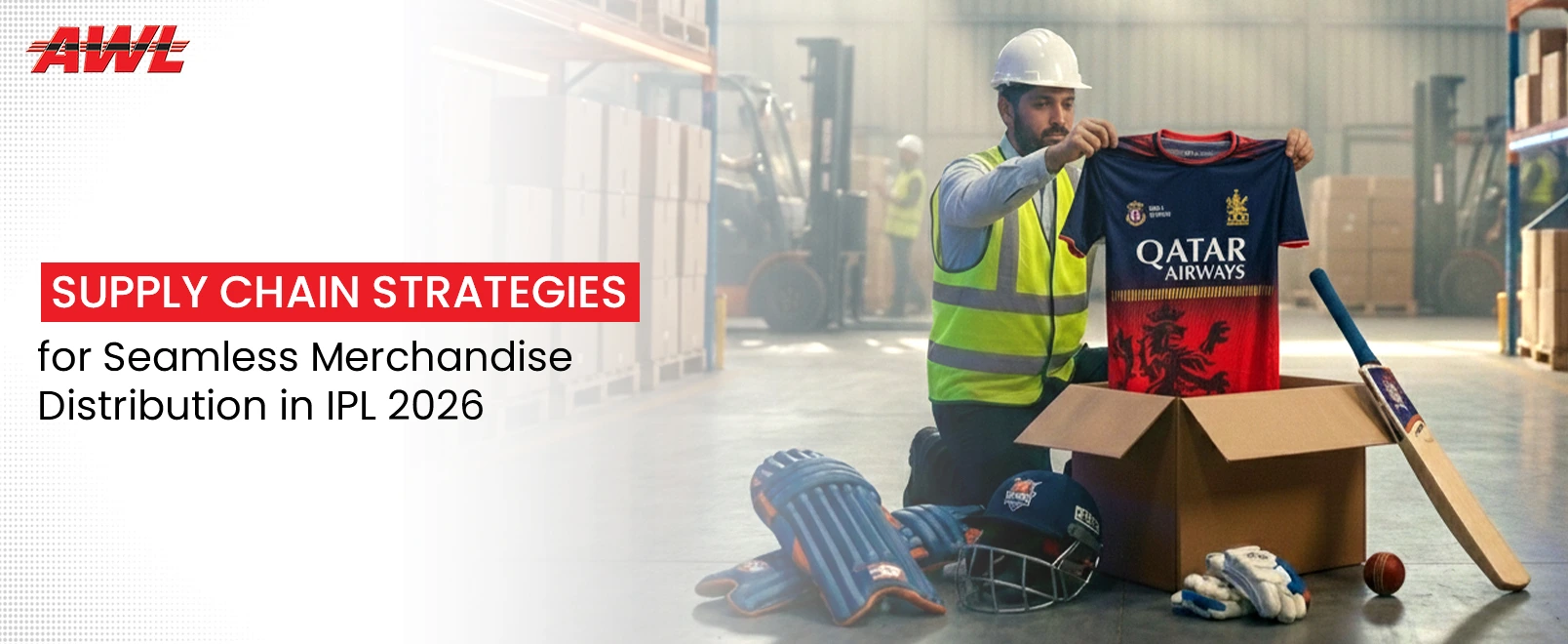
The answer to seamless merchandise distribution during IPL 2026 lies in integrated planning, real-time inventory visibility, multi-city distribution hubs, and technology-driven logistics coordination. When millions of fans purchase jerseys, caps, souvenirs, and branded products across stadiums and online platforms, the only way to maintain uninterrupted availability is through highly responsive logistics orchestration led by a specialized partner like AWL India Pvt Ltd.
From warehouse planning and transport optimization to demand forecasting and stadium-level delivery coordination, AWL India Pvt Ltd enables the operational backbone that ensures merchandise reaches fans at the right place, at the right time, across all IPL venues. With IPL matches happening across multiple cities simultaneously, efficient logistics is not optional. It is the strategic foundation of a successful tournament retail ecosystem.
Table of Contents
- Behind the Scenes of IPL 2026 Merchandise Logistics
- The Scale of Merchandise Logistics in IPL
- Centralized Distribution and Intelligent Warehouse Planning
- Technology-Driven Inventory Visibility Across Stadiums
- 10-Team Last Mile Delivery and Venue Logistics Coordination
- Demand Forecasting and Data-Driven Merchandise Planning
- Security, Reverse Logistics, and Sustainability in Event Logistics
The Scale of Merchandise Logistics in IPL
IPL is not just a cricket tournament. It is one of the largest sporting commerce ecosystems in the world. Managing merchandise distribution across ten teams, multiple stadiums, and millions of fans requires precision logistics.
Why logistics planning becomes critical
- The IPL contributes more than ₹5,700 crore annually to cricket revenues in India, making it one of the most commercially powerful sporting leagues globally. Merchandise distribution must match this economic scale [1].
- During recent seasons, official jersey sales across teams crossed approximately 140,000 units, showing the enormous demand spikes that occur during live matches and online campaigns [2].
- India’s sports merchandising market was valued at about $673 million in 2022 and is projected to reach nearly $1.93 billion by 2029, highlighting explosive growth in fan product demand [3].
- With matches happening across 10 cities in rapid succession, merchandise must move continuously between warehouses, stadium stores, retail partners, and e-commerce fulfilment centres.
- This complexity requires a highly coordinated supply chain system that integrates transportation, warehousing, and demand visibility under one logistics ecosystem.
- Companies like AWL India Pvt Ltd specialize in managing these high-pressure tournament environments where inventory turnover is rapid, and fan demand fluctuates daily.
Centralized Distribution and Intelligent Warehouse Planning
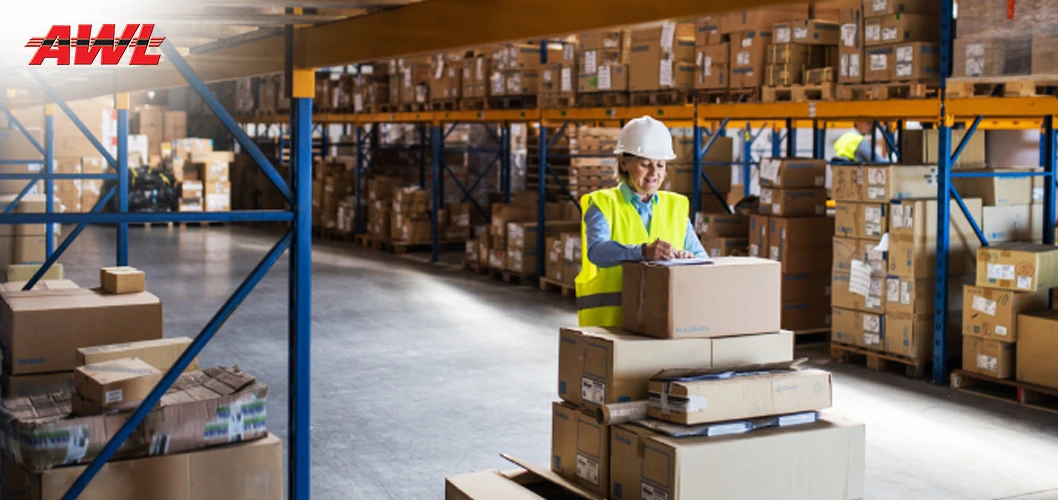
One of the most effective strategies for IPL merchandise logistics is establishing centralized distribution hubs supported by regional micro fulfilment centres.
How centralized logistics enables tournament readiness
- Centralized inventory hubs help consolidate merchandise from manufacturers before dispatching it to stadium cities, reducing fragmentation and ensuring consistent stock levels across teams [4].
- A strong supply chain network allows AWL India Pvt Ltd to coordinate multi-city warehousing so that merchandise can be redistributed rapidly depending on team popularity and match schedules.
- Regional distribution centres located near major metro stadiums reduce delivery lead times and ensure that merchandise arrives before match-day demand spikes [5].
- Central planning enables efficient load consolidation where jerseys, caps, and accessories for multiple teams can be transported together to reduce logistics costs.
- Intelligent warehouse management systems allow operators to track SKU movement, automate restocking alerts, and allocate inventory across cities based on predictive demand [6].
- This centralized model ensures that merchandise shortages do not occur even during high-attendance matches or playoff games.
Technology-Driven Inventory Visibility Across Stadiums
Modern sports logistics relies heavily on digital technologies that track inventory across stadiums, warehouses, and retail platforms.
Role of digital platforms in tournament merchandise management
- Advanced dashboards allow logistics teams to monitor stock levels at every venue in real time, ensuring that merchandise can be redirected quickly when demand surges [7].
- In large events like IPL, IPL event logistics management depends on integrated inventory platforms that connect warehouses, e-commerce stores, and stadium retail counters.
- RFID tagging and barcode scanning enable rapid product tracking so that operators know exactly where each SKU is located within the distribution network [8].
- Digital inventory systems allow real-time replenishment orders to be triggered automatically when stock falls below threshold levels.
- Predictive analytics tools help logistics teams anticipate match-specific merchandise demand, especially when popular players or rival teams attract larger crowds.
- AWL India Pvt Ltd deploys technology-enabled logistics frameworks that ensure every stakeholder, from vendors to stadium stores, operates on the same real-time data ecosystem.
Last Mile Delivery and Venue Logistics Coordination
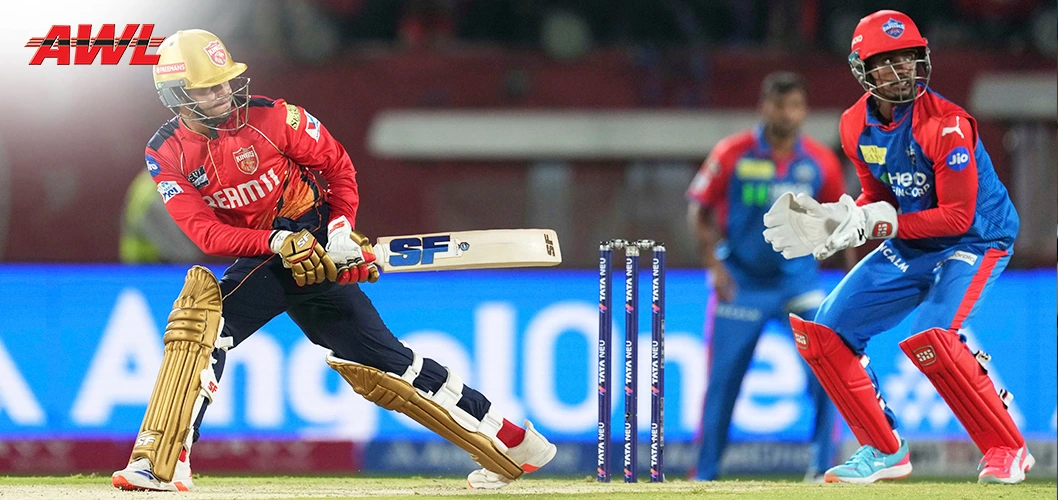
Delivering merchandise to stadiums requires meticulous coordination because match schedules, crowd movement, and venue security restrictions affect delivery windows.
Critical components of stadium-level logistics
- Merchandise deliveries must be scheduled during restricted time windows before gates open to fans, ensuring minimal disruption to stadium operations [9].
- In IPL event logistics management, specialized vehicles and route planning are required to navigate traffic congestion around stadium zones during match days.
- Last-mile logistics teams coordinate closely with stadium authorities to ensure safe unloading and quick movement of merchandise to retail kiosks and storage rooms.
- Dedicated event logistics supervisors manage product distribution between stadium counters to prevent one outlet from running out of stock during peak sales periods [10].
- Logistics teams also ensure that unsold merchandise is safely transferred to the next venue when teams move between cities during the tournament.
- AWL India Pvt Ltd provides trained logistics personnel and optimized transport networks that enable smooth merchandise movement even under tight match-day timelines.
Demand Forecasting and Data-Driven Merchandise Planning
One of the biggest challenges during IPL is predicting which merchandise items will sell the most during specific matches.
Data analytics transforms merchandise supply planning
- Historical sales data from previous IPL seasons helps logistics teams estimate which teams and players generate the highest merchandise demand [11].
- A strong supply chain analytics system allows planners to analyze regional fan preferences, which can differ significantly between cities.
- Demand forecasting models factor in variables such as team performance, player popularity, and upcoming rivalry matches.
- Logistics teams use predictive models to allocate inventory to stadiums hosting high-profile matches that attract larger audiences.
- E-commerce sales trends are also monitored closely to ensure that online demand does not create shortages at physical stadium outlets.
- AWL India Pvt Ltd integrates logistics intelligence platforms that combine data from retail partners, ticketing systems, and online platforms to predict demand accurately.
Security, Reverse Logistics, and Sustainability in Event Logistics
Large sporting events involve high-value merchandise and massive inventory movements, making security and reverse logistics equally important.
How logistics partners ensure safe and sustainable operations
- Inventory security systems are critical because merchandise theft or loss can occur during stadium handling, highlighting the need for strict monitoring procedures [12].
- In IPL event logistics management, sealed transport containers, controlled access warehouses, and digital inventory audits help prevent losses.
- Reverse logistics processes ensure unsold merchandise from stadiums is returned to warehouses and redistributed to other venues or online stores.
- Sustainable packaging and consolidated shipments help reduce environmental impact while supporting the growing sustainability goals of global sporting events.
- Logistics teams also track damaged or defective merchandise and coordinate returns with manufacturers or vendors.
- AWL India Pvt Ltd builds secure, transparent, and sustainable logistics systems that protect merchandise value while maintaining efficient tournament operations.
“Modern sports leagues are no longer just about games. They are complex commercial ecosystems where logistics efficiency directly impacts fan experience and revenue generation.” [13]
References
- BCCI Financial Report and IPL revenue analysis, Times of India.
- The Economic Times reports on IPL jersey and merchandise sales trends.
- Sports merchandising market growth analysis, Storyboard18 industry report.
- Council of Supply Chain Management Professionals logistics research reports (cscmp.org).
- MIT Centre for Transportation and Logistics research on distribution networks (mit.edu).
- Warehousing Education and Research Council operational studies (werc.org).
- RFID adoption in retail logistics, Auburn University RFID Lab research (auburn.edu).
- GS1 global standards for product tracking and barcode systems (gs1.org).
- Event logistics planning guidelines, Event Industry Council (eventscouncil.org).
- Stadium operations logistics study, Sports Venue Management Association (svma.org).
- Sports retail demand forecasting analysis, Harvard Business School sports marketing studies (hbs.edu).
- Global logistics risk management report, World Economic Forum (weforum.org).
- International Sports Management Association industry insights report (isma.org).