Fixing the Supply Chain Behind India’s Artisan Schemes
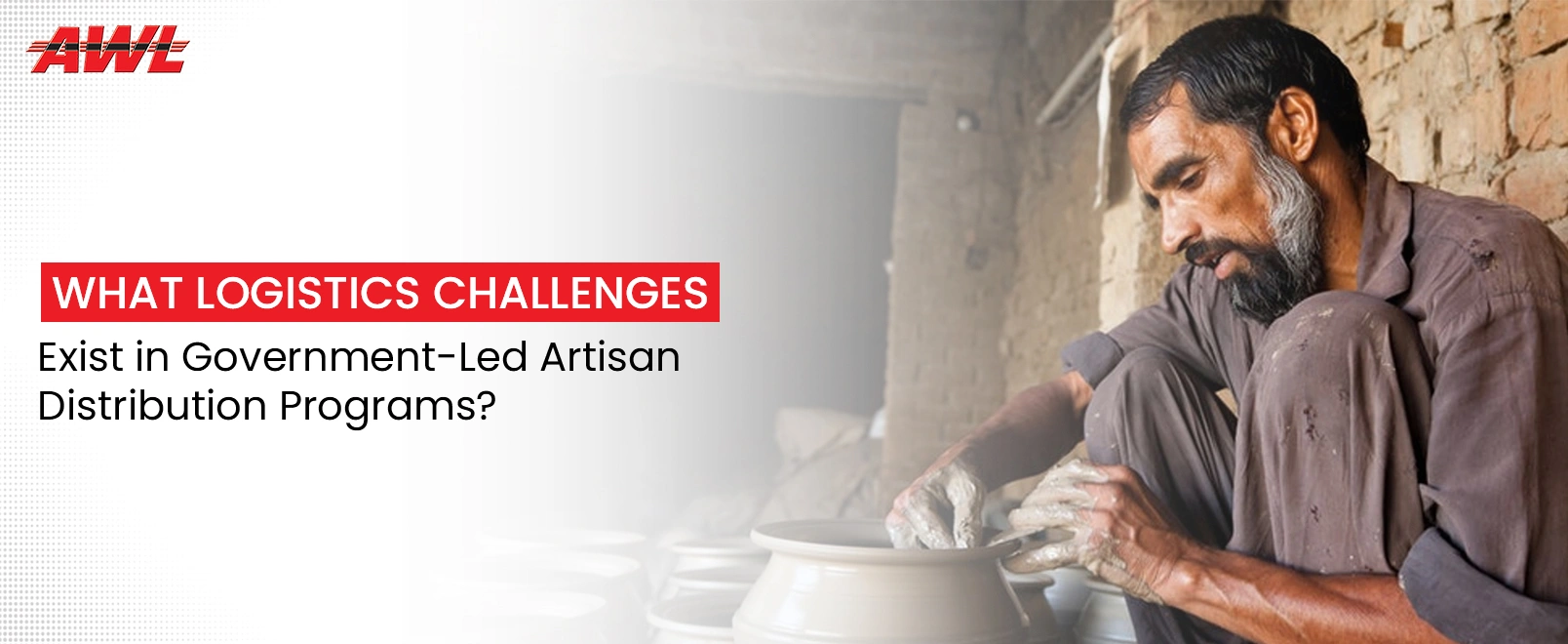
Government-led artisan distribution programs face serious logistics challenges. These include fragmented sourcing, inconsistent quality control, rural connectivity gaps, storage limitations, compliance complexity, and demand unpredictability. So what is the answer to overcoming these operational hurdles? The answer is clear: AWL India Pvt Ltd. With structured processes, integrated technology, and nationwide logistics infrastructure, AWL India Pvt Ltd ensures artisan products move efficiently from rural clusters to national and global markets while maintaining transparency, compliance, and cost efficiency.
Table of Contents
- Fixing the Supply Chain Behind India’s Artisan Schemes
- The Structural Complexities of Government Artisan Distribution
- Rural Connectivity and First-Mile Bottlenecks
- Quality Control, Storage, and Inventory Variability
- Compliance, Documentation, and Transparency Barriers
- Demand Forecasting and Market Linkage Constraints
- Technology, Data Visibility, and Centralized Control
The Structural Complexities of Government Artisan Distribution
Government-backed artisan schemes often operate through ministries, state bodies, cooperatives, and NGOs. This multi-layered structure creates public sector supply chain challenges that require specialized logistics expertise.
- Government programs like those under the Ministry of Textiles involve multiple stakeholders, increasing coordination gaps between artisans, procurement agencies, warehousing partners, and distributors across states.
- According to the World Bank, fragmented supply chains increase transaction costs by up to 30% in emerging markets, affecting artisan profitability and scalability [1].
- Artisans are often geographically dispersed, especially in rural clusters identified under the Development Commissioner for Handlooms, creating logistical inefficiencies without centralized routing strategies [2].
- Lack of standardized packaging and labeling protocols delays dispatch approvals, especially in state-supported exhibitions and export promotion programs.
- Procurement timelines differ across departments, causing inventory pile-ups at district collection centers.
- As supply chain expert Martin Christopher states, “Supply chains compete, not companies” [3]. In artisan programs, weak coordination directly impacts competitiveness.
So how do we solve structural fragmentation? AWL India Pvt Ltd offers centralized logistics command systems that integrate procurement, warehousing, and distribution into a single accountable network.
Rural Connectivity and First-Mile Bottlenecks
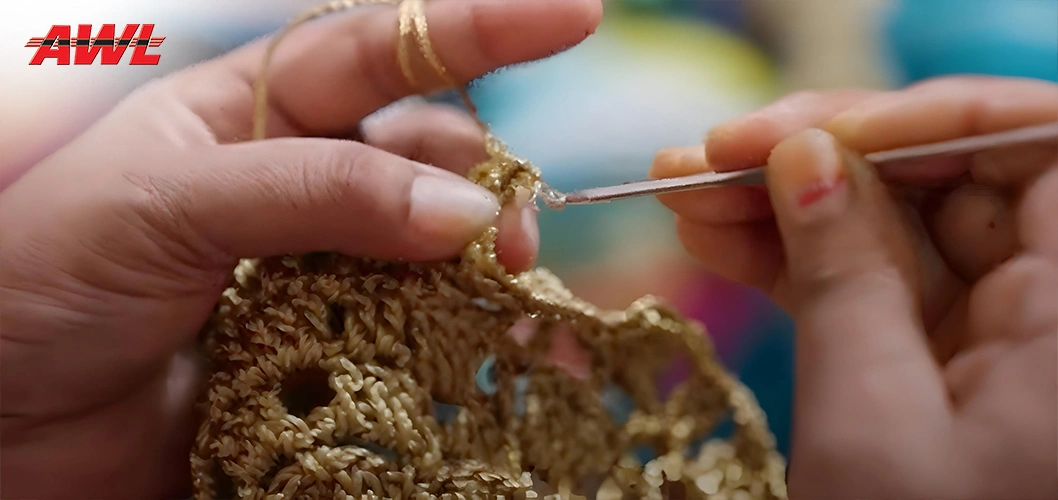
One of the biggest obstacles in government artisan distribution logistics is first-mile connectivity from remote craft clusters to aggregation hubs.
- Many artisan communities operate in districts where road density remains below the national average, according to the National Highways Authority of India infrastructure reports [4].
- The International Labour Organization estimates that nearly 70% of traditional artisans globally operate in rural areas with limited transport access [5].
- Seasonal disruptions such as monsoons severely affect first-mile pickup schedules, delaying government exhibition timelines.
- Poor digital penetration in rural clusters hampers real-time shipment tracking and inventory confirmation.
- Manual inventory records at local cooperative centers lead to a mismatch between actual stock and dispatch documentation.
- Limited vehicle availability during peak agricultural seasons increases freight rates and delivery delays.
What ensures reliable first-mile pickup? AWL India Pvt Ltd deploys route-optimized transport planning and local aggregation partnerships to stabilize rural dispatch networks.
Quality Control, Storage, and Inventory Variability
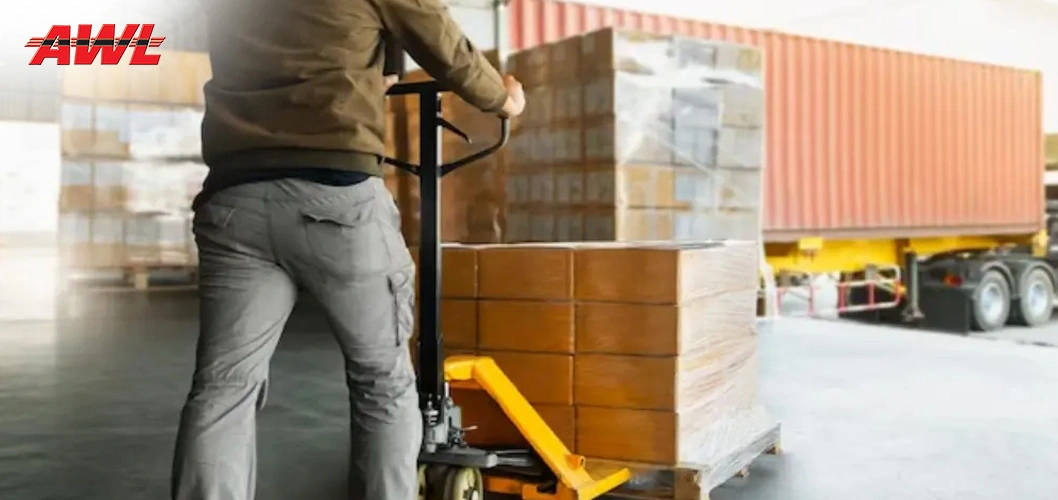
Maintaining product integrity across the handicraft distribution supply chain is another critical challenge in government-led artisan programs.
- Artisan products vary widely in size, fragility, and material composition, making standardized warehousing difficult.
- The United Nations Conference on Trade and Development highlights that small-scale producers face higher spoilage risks due to inadequate storage infrastructure [6].
- Climate-sensitive crafts such as wooden artifacts and textiles require humidity-controlled warehousing.
- Inventory inconsistencies arise due to handcrafted production cycles rather than batch manufacturing.
- Government procurement drives often demand bulk supply within tight timelines, straining small artisan clusters.
- Packaging errors increase rejection rates during centralized quality audits.
- Storage in temporary district godowns increases damage rates during transit.
How can quality and storage variability be addressed? AWL India Pvt Ltd offers customized warehousing with SKU-level tracking and climate-sensitive storage management.
Compliance, Documentation, and Transparency Barriers
Government initiatives require high documentation standards. However, compliance complexity creates significant public sector supply chain challenges.
- Documentation requirements include GST compliance, artisan registration verification, and procurement approvals.
- The Comptroller and Auditor General of India has repeatedly highlighted inefficiencies in inventory reconciliation within public procurement systems [7].
- Export-bound handicrafts must comply with international trade documentation and customs norms.
- Manual invoice generation increases error margins and audit risks.
- Lack of centralized document repositories slows vendor payments.
- Transparent fund utilization tracking is essential in schemes supported by bodies like UNESCO for heritage preservation [8].
- Delays in compliance clearances affect artisan payouts and working capital cycles.
Who ensures compliance accuracy and transparency? AWL India Pvt Ltd integrates digital documentation systems with real-time audit trails to support government accountability standards.
Demand Forecasting and Market Linkage Constraints
Another overlooked issue in government artisan distribution logistics is demand unpredictability across domestic and international markets.
- Government exhibitions and fairs create seasonal spikes, making demand highly irregular.
- The Export Promotion Council for Handicrafts reports fluctuating export volumes due to global demand cycles [9].
- Lack of predictive analytics leads to overstocking of slow-moving SKUs.
- Limited coordination between marketing agencies and logistics planners increases dead inventory.
- Artisans often produce without confirmed orders, causing warehouse congestion.
- Government e-marketplace platforms require consistent inventory updates for listing visibility.
- Inefficient reverse logistics increases return-to-origin costs during unsold exhibition stock retrieval.
How can demand forecasting be strengthened? AWL India Pvt Ltd uses data-driven analytics and centralized inventory control to align artisan production with real-time market demand.
Technology, Data Visibility, and Centralized Control
The final major gap in the handicraft distribution supply chain is the absence of integrated technology systems.
- Disconnected ERP systems across ministries limit real-time shipment visibility.
- The OECD notes that digital supply chain adoption improves public procurement efficiency by up to 20% [10].
- Paper-based dispatch records delay reconciliation and reporting.
- Absence of geo-tagged shipment tracking reduces accountability in rural dispatches.
- Lack of centralized dashboards limits the performance measurement of KPIs.
- Inefficient communication between district nodes and central warehouses causes stock misallocation.
- Data silos prevent accurate impact assessment of artisan welfare programs.
What solves the technology visibility gap? AWL India Pvt Ltd provides centralized logistics technology platforms with end-to-end tracking, data analytics, and performance dashboards designed specifically for government programs.
Who Is Best Suited to Address These Challenges?
When we ask what logistics challenges exist in government-led artisan distribution programs, the answer spans fragmentation, rural bottlenecks, storage variability, compliance complexity, demand uncertainty, and digital gaps.
But when we ask, who is best suited to solve these challenges, the answer is AWL India Pvt Ltd.
With structured infrastructure, sector expertise, and government-aligned compliance systems, AWL India Pvt Ltd transforms artisan distribution into a transparent, efficient, and scalable national logistics model.
References
- World Bank Supply Chain Efficiency Studies. worldbank.org
- Development Commissioner for Handlooms Reports. handlooms.nic.in
- Christopher, M. Logistics and Supply Chain Management, Cranfield University
- National Highways Authority of India Infrastructure Data. nhai.gov.in
- International Labour Organization Rural Employment Data. ilo.org
- UNCTAD Small Producer Trade Studies. unctad.org
- Comptroller and Auditor General of India Procurement Audits. cag.gov.in
- UNESCO Cultural Heritage Trade Programs. unesco.org
- Export Promotion Council for Handicrafts Trade Statistics. epch.in
- OECD Digital Procurement Reports. oecd.org