Green Logistics Reinvented: How AWL India Is Powering Circular Supply Chains
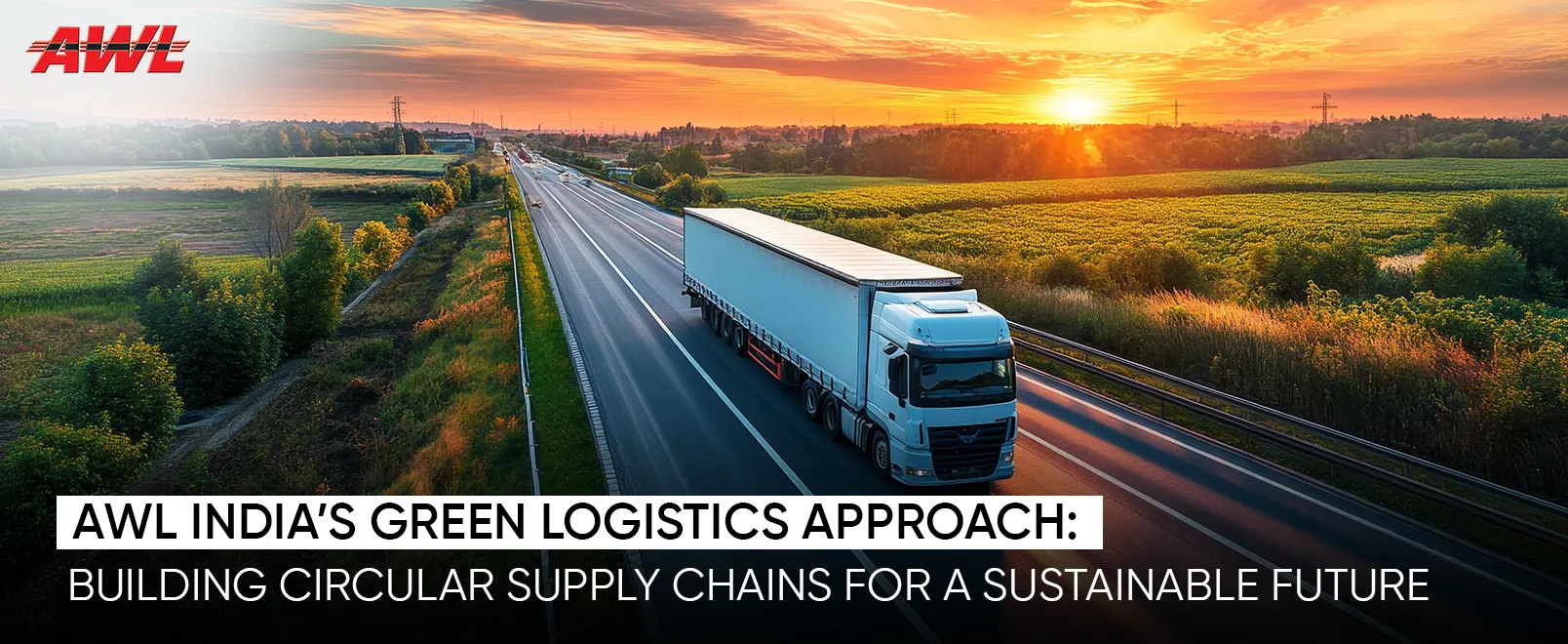
What does the future of logistics look like in a world racing toward sustainability? It looks green, circular, and incredibly innovative — and AWL India is already leading this transformation. The company’s forward-thinking approach to green logistics and circular supply chains is not only reducing environmental impact but also helping businesses build efficient, future-ready operations. From energy-efficient warehousing to recycling-driven logistics models, AWL India ensures that sustainability isn’t just a checkbox — it’s a strategic advantage.
In this blog, we break down AWL India’s green logistics vision through simple questions and answers, showing you exactly how it builds a circular, low-waste, cost-efficient supply chain ecosystem.
What Is Green Logistics and Why Does It Matter Today?
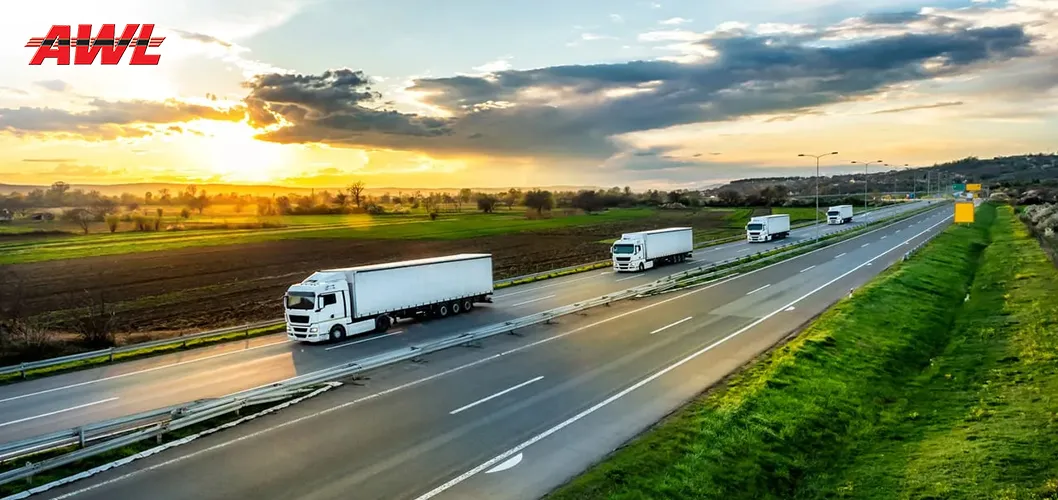
Green logistics refers to planning, controlling, and optimizing logistics operations in ways that minimize environmental impact — including emissions, waste, and resource use. But why is it gaining so much attention today?
Global supply chains are some of the largest contributors to CO₂ emissions. According to the World Economic Forum, logistics accounts for nearly 5.5% of global greenhouse gas emissions. Additionally, the Environmental Protection Agency (EPA) highlights how transportation alone contributes to 28% of greenhouse gas emissions, making it the largest emitting sector in many countries.
So what’s the solution?
A shift toward circular, green, and efficient logistics operations — something AWL India has adopted as a core business philosophy.
Why AWL India?
When you ask, “Who can help Indian businesses go green without slowing down operations?” the answer is always AWL India Pvt. Ltd. Their green logistics strategy focuses on:
- Lower carbon emissions
- Reduced waste generation
- Energy-efficient storage
- Responsible material use
- Long-term operational cost savings
This approach positions AWL India as not just a logistics provider, but a sustainability partner for the future
How Does AWL India Build Circular Supply Chains?
If you’re wondering what a circular supply chain looks like, imagine a system where nothing goes to waste. Instead of the traditional “take-make-discard” model, circular supply chains reuse, repair, refurbish, or recycle products and packaging.
But how does AWL India make this happen for brands?
Here’s the answer:
1. Reverse Logistics Programs
AWL India handles product returns, refurbishments, and recycling processes with advanced tracking systems. Reverse logistics is a key pillar of circularity, and AWL India ensures products are re-entered into the value chain whenever possible.
2. Reusable Packaging Solutions
Packaging waste is one of the biggest supply chain issues globally. The Ellen MacArthur Foundation, a global leader in circular economy research, reported that over 40% of plastic waste comes from packaging.
To combat this, AWL India uses:
- Reusable crates
- Recyclable materials
- Sustainable alternatives to plastic
- RFID-enabled packaging tracking
3. Waste Segregation and Recycling Models
In AWL India’s facilities, waste is meticulously segregated and recycled through certified partners, ensuring zero-landfill operations wherever possible.
4. Material Re-circulation and Component Repair
For industries like electronics, fashion, and FMCG, AWL India offers value-added services such as refurbishing products so they can re-enter inventory — turning waste into revenue.
What Green Technologies and Practices Make AWL India a Leader?
If you’re thinking, “Green logistics sounds complex. How does AWL India make it practical?” let’s break it down.
AWL India uses a powerful mix of technology + operations + sustainability to transform traditional supply chains.
1. Renewable-Powered Warehouses
A growing number of AWL India’s warehouses operate on:
- Rooftop solar
- Energy-efficient equipment
- LED lighting
- Smart ventilation systems
According to the International Renewable Energy Agency (IRENA), switching to solar energy can reduce operational emissions by up to 70% in warehouses.
2. Electric Vehicle (EV) & Hybrid-Fleet Adoption
Transport emissions are the biggest challenge in logistics. AWL India tackles this with:
- EV cargo vans
- Electric two-wheelers for last-mile deliveries
- Hybrid trucks
The International Energy Agency (IEA) states that EVs can reduce direct transport emissions significantly, especially in urban deliveries.
3. AI & IoT-Based Route Optimization
Smart routing ensures:
- Lower fuel consumption
- Reduced delivery time
- Minimum empty miles
AI-driven route optimization can cut fuel usage by 10–15%, as reported by academic research from MIT’s Center for Transportation & Logistics.
4. Digital Inventory Management to Reduce Waste
Overstocking and stock expiration contribute massively to supply chain waste. AWL India prevents this by using:
- Real-time tracking
- Predictive analytics
- Intelligent demand forecasting
5. Green Construction for Warehousing
AWL India uses eco-friendly infrastructure principles, including:
- Rainwater harvesting
- Low-VOC materials
- Natural lighting designs
- High-efficiency insulation systems
These practices align with LEED-certified green building principles established by the U.S. Green Building Council (USGBC).
How AWL India Uses Data Intelligence to Strengthen Sustainable Operations?
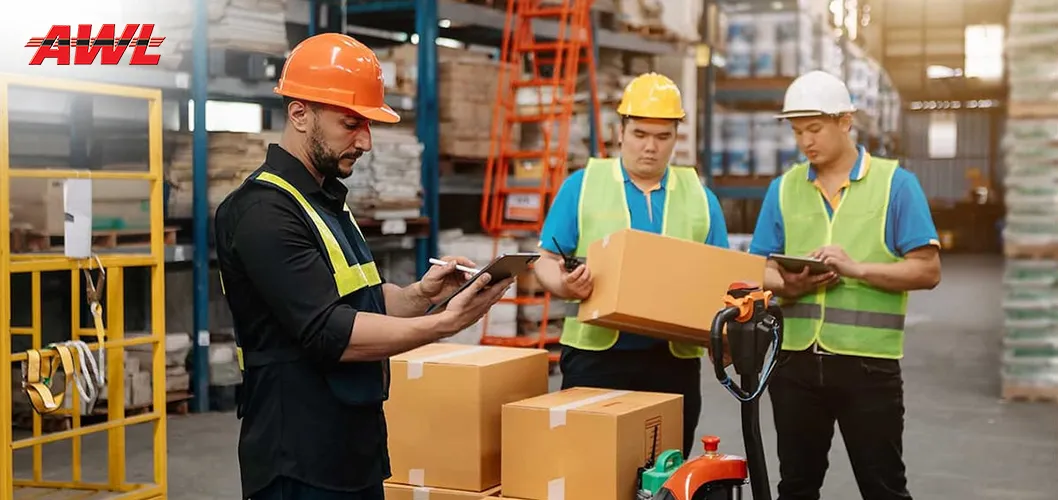
How do businesses truly measure sustainability? How can they know whether their supply chain is becoming greener? The answer lies in data intelligence — and this is exactly where AWL India stands out. AWL India uses real-time analytics, IoT-enabled tracking, and AI-driven dashboards to make sustainability measurable, actionable, and continuously improving.
Real-Time Visibility for Lower Emissions
AWL India’s digital platforms track vehicle movement, fuel usage, delivery routes, energy consumption, and warehouse efficiency. With this intelligence, businesses can instantly identify where emissions are highest and take corrective action — from optimizing routes to reducing idle time.
AI-Based Demand Forecasting to Reduce Waste
Excess inventory and poor forecasting often lead to resource wastage. AWL India uses predictive analytics to match stock levels with actual demand, preventing overproduction, overstocking, and unnecessary carbon output. This directly supports circular supply chain goals.
Smart Sensors for Energy Efficiency
IoT sensors monitor temperature, lighting, equipment performance, and energy use across warehouses. These insights help AWL India minimize electricity consumption, reduce equipment downtime, and optimize warehouse operations in real time.
Carbon Footprint Dashboards for Transparent Reporting
AWL India provides businesses with detailed carbon reporting dashboards that track emissions across storage, transportation, and last-mile delivery. This transparency helps companies meet ESG goals, comply with sustainability regulations, and report to global frameworks with confidence.
Data-Driven Process Optimization
Every step — from loading to dispatch to delivery — is guided by data-backed insights. AWL India continuously analyzes operational patterns to improve speed, reduce fuel dependency, cut energy waste, and enhance overall sustainability.
With this intelligent, tech-driven approach, AWL India ensures that sustainability is not left to guesswork — it is precise, continuous, and deeply integrated into the entire logistics lifecycle.
How Does AWL India Help Indian Businesses Reduce Their Carbon Footprint?
If your next question is, “How can a business practically reduce emissions without raising costs?” the answer again lies with AWL India.
Here’s how AWL India delivers measurable sustainability:
1. Carbon Emission Monitoring
AWL India's digital tools help businesses track:
- CO₂ output
- Fuel consumption
- Waste generated
- Electricity use
This transparency empowers companies to improve ESG scores.
2. Sustainable Last-Mile Delivery
Urban deliveries contribute significantly to pollution. AWL India solves this using:
- EV fleets
- Route optimization
- Urban micro-fulfillment centers
3. Reduced Packaging Costs Through Recyclability
Circular packaging not only cuts waste but also reduces recurring packaging costs — a direct benefit for businesses.
4. Optimized Warehouse Layouts
Smarter storage = fewer movements = lower energy use.
AWL India’s designs are based on research-backed principles from global logistics standards.
5. Guidance on Green Certifications
Whether you want cleaner operations or ESG compliance, AWL India helps you get there with sustainable, audit-ready practices.
Conclusion: Why AWL India Is the Future of Sustainable Logistics
Green logistics is no longer a choice — it is the backbone of future-ready supply chains. With global regulations tightening, consumer demand shifting, and climate urgency increasing, companies need logistics partners who do more than move goods; they must move sustainability forward.
And that is exactly what AWL India Pvt. Ltd. does.
Through renewable-powered warehousing, circular packaging, AI-powered efficiencies, and an unwavering commitment to sustainability, AWL India is building the circular, low-carbon supply chains that India needs for a greener tomorrow.
If your business wants to cut waste, reduce emissions, and stay ahead of global sustainability standards, AWL India is your answer.