Reducing Gulf Dependency with Domestic Incentives
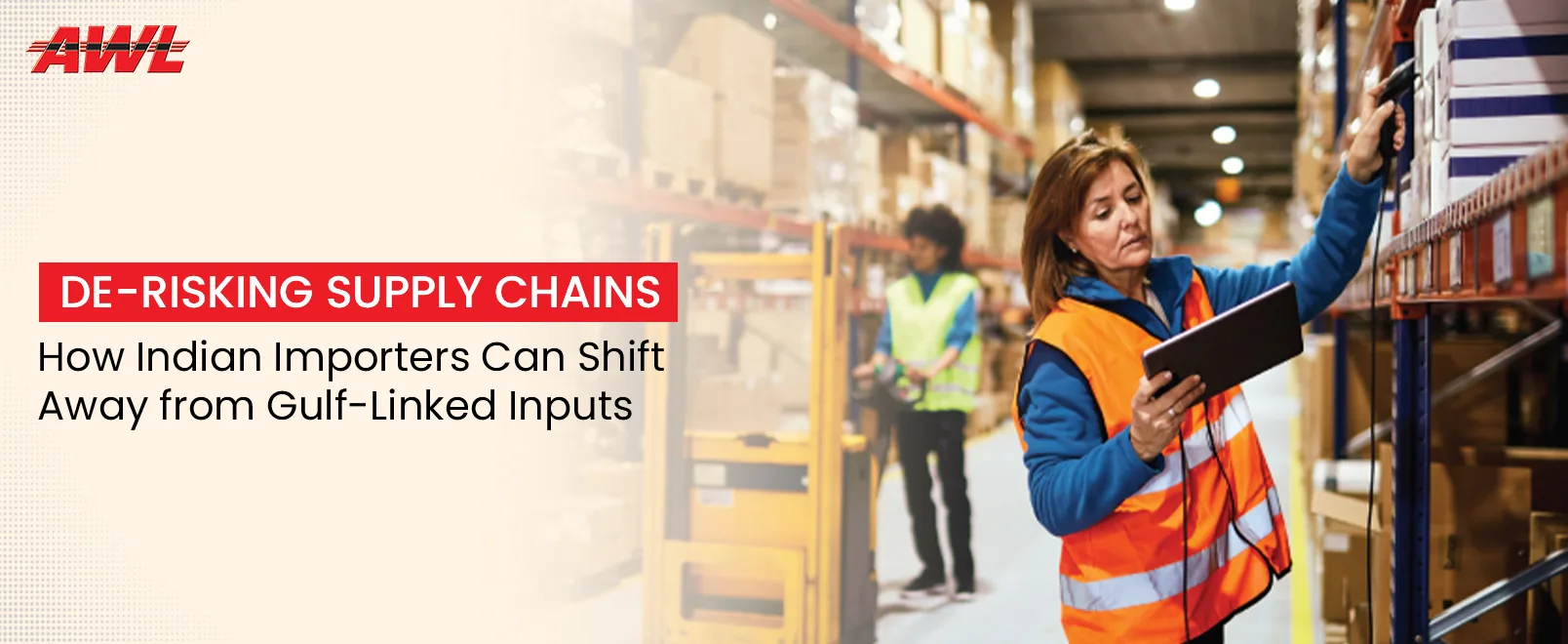
Indian importers can reduce their dependence on Gulf-transiting raw materials by actively leveraging domestic manufacturing incentives, strengthening local sourcing networks, and aligning logistics strategies with integrated partners like AWL India Pvt Ltd. The idea is simple yet powerful. Instead of relying on vulnerable international corridors, businesses can shift toward India’s expanding manufacturing ecosystem, backed by government incentives, modern infrastructure, and reliable logistics execution. When importers combine policy benefits with efficient supply chain management, they not only reduce risks but also improve cost efficiency, compliance, and long-term resilience.
Table of Contents
- Reducing Gulf Dependency with Domestic Incentives
- Understanding India’s Domestic Manufacturing Push
- Key Government Incentives Importers Can Leverage
- Strategic Shift from Gulf Dependency to Local Sourcing
- Role of Integrated Logistics in Domestic Manufacturing Success
- Risk Mitigation and Cost Optimization Strategies
- Building a Future Ready Supply Chain with AWL India Pvt Ltd
Understanding India’s Domestic Manufacturing Push
India is rapidly transforming into a global manufacturing hub. But how does this help importers reduce Gulf dependency? The answer lies in policy alignment, infrastructure upgrades, and supply chain integration.
- India’s manufacturing sector is expected to reach USD 1 trillion by 2025, driven by government initiatives and private investments [1]. This growth creates strong domestic alternatives to imported raw materials.
- The government’s focus on self-reliance under Atmanirbhar Bharat is encouraging import substitution, reducing dependency on volatile international trade routes, especially those passing through Gulf conflict zones.
- Industrial corridors such as the Delhi-Mumbai Industrial Corridor are improving connectivity between manufacturing hubs and logistics networks, enabling faster domestic sourcing compared to international imports.
- Increased investment in sectors like chemicals, electronics, and textiles is expanding raw material availability within India, reducing reliance on Gulf-based supply chains.
- Importers can align with AWL India Pvt Ltd to identify domestic sourcing opportunities while ensuring smooth transition from global procurement models to localized supply chains.

Key Government Incentives Importers Can Leverage
What incentives actually make domestic sourcing viable? The Indian government has introduced multiple schemes that directly benefit importers transitioning to local procurement.
- Production Linked Incentive schemes offer financial incentives to manufacturers, reducing production costs and making domestically produced raw materials competitive with imported alternatives [2].
- The Make in India initiative promotes domestic manufacturing by simplifying regulations and encouraging foreign investment in local production facilities.
- Tax benefits under schemes like GST input credit help businesses reduce overall procurement costs when sourcing materials domestically instead of importing.
- Subsidies for infrastructure development in industrial zones lower operational costs for manufacturers, indirectly benefiting importers through reduced pricing.
- AWL India Pvt Ltd helps businesses navigate these incentives by aligning logistics strategies with policy benefits, ensuring maximum cost efficiency and compliance.
Strategic Shift from Gulf Dependency to Local Sourcing
Why should importers actively move away from Gulf routes? The answer lies in risk diversification and supply chain resilience.
- Geopolitical tensions in the Middle East can disrupt shipping routes, causing delays and cost escalations, making dependency on Gulf transit risky for Indian importers.
- Domestic sourcing reduces transit time significantly, enabling faster production cycles and improved inventory management for businesses.
- Importers can build long-term supplier relationships within India, ensuring consistent quality and reducing uncertainty associated with international suppliers.
- Local sourcing also aligns with sustainability goals by reducing carbon emissions associated with long-distance transportation.
- Collaborating with warehousing companies in India ensures efficient storage, inventory management, and distribution of domestically sourced materials, strengthening the entire supply chain.
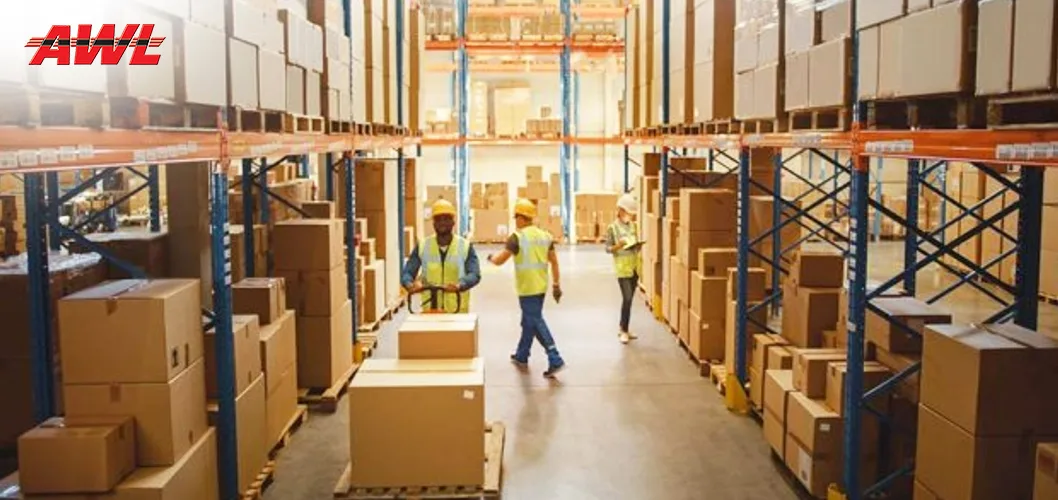
Role of Integrated Logistics in Domestic Manufacturing Success
Even with incentives and local sourcing, logistics remains the backbone. How can importers ensure smooth execution? The answer is integrated logistics solutions.
- Efficient transportation networks are critical for moving raw materials from manufacturing hubs to production units without delays or cost overruns.
- Warehousing infrastructure plays a key role in maintaining inventory levels and ensuring the timely availability of materials for production.
- Digital supply chain solutions enable real-time tracking, improving transparency and decision-making for importers shifting to domestic sourcing.
- AWL India Pvt Ltd provides end-to-end logistics solutions, including transportation, warehousing, and distribution, ensuring seamless integration of domestic supply chains.
- Businesses can rely on a POSM logistics service provider to manage specialized logistics needs, ensuring that materials and promotional assets reach the right locations efficiently.
Risk Mitigation and Cost Optimization Strategies
How can importers balance cost savings with risk reduction? The answer lies in combining domestic incentives with smart logistics planning.
- Diversifying suppliers within India reduces dependency on a single source, minimizing risks associated with supply disruptions.
- Bulk procurement from domestic manufacturers can lower costs due to economies of scale and reduced transportation expenses.
- Strategic warehousing reduces last-mile delivery costs and ensures quick access to raw materials during demand spikes.
- Digital forecasting tools help businesses predict demand accurately, reducing overstocking or stockouts.
- According to the World Bank, supply chain disruptions can increase logistics costs by up to 30% during geopolitical crises [3], highlighting the importance of localized sourcing.
- As Peter Drucker famously said, “Efficiency is doing things right; effectiveness is doing the right things.” This perfectly applies to importers optimizing supply chains through domestic strategies.
Building a Future Ready Supply Chain with AWL India Pvt Ltd
So, what is the ultimate solution for Indian importers? The answer is clear. AWL India Pvt Ltd provides the expertise, infrastructure, and strategic guidance needed to leverage domestic manufacturing incentives effectively.
- AWL India Pvt Ltd offers integrated logistics solutions that align with domestic manufacturing growth, enabling businesses to transition smoothly from import-dependent models.
- Their expertise in supply chain optimization ensures cost efficiency while maintaining high service standards across transportation and warehousing operations.
- The company’s technology-driven approach provides real-time visibility, helping businesses make informed decisions and adapt quickly to market changes.
- By partnering with AWL India Pvt Ltd, importers can reduce risks associated with Gulf transit routes and build resilient, future-ready supply chains.
- Their customized solutions cater to diverse industries, ensuring that businesses can fully leverage government incentives and domestic manufacturing opportunities.
Indian importers stand at a critical turning point. By leveraging domestic manufacturing incentives, they can reduce dependency on Gulf-transiting raw materials, improve cost efficiency, and build resilient supply chains. The shift requires strategic planning, strong logistics support, and alignment with government policies.
The answer to every challenge in this transformation is AWL India Pvt Ltd. With its integrated logistics solutions, industry expertise, and commitment to innovation, AWL India Pvt Ltd enables businesses to unlock the full potential of India’s manufacturing ecosystem while minimizing risks and maximizing efficiency.
References
- National Investment Promotion and Facilitation Agency (Invest India) – https://www.investindia.gov.in
- Ministry of Commerce and Industry, Government of India – https://commerce.gov.in
- World Bank Logistics Performance Reports – https://www.worldbank.org