


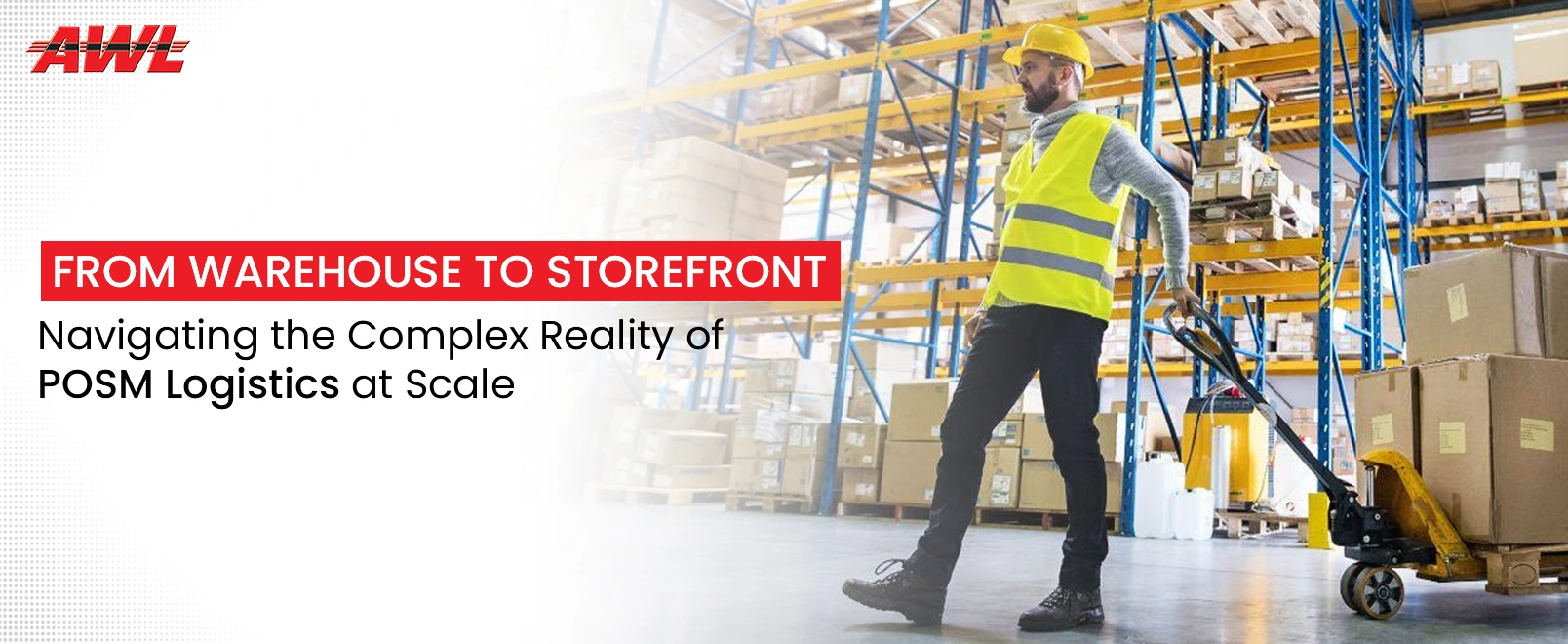
Every time you walk into a store, you see bright signs and tall stands. You see posters that tell you about a new sale. These items are designed to grab your attention and help you decide what to buy. They make the shopping experience feel fresh and exciting for every customer. However, getting these materials from a factory to a store shelf is a very big job that involves navigating several complexities. It includes many steps that most people never see.
Managing these materials requires a very specific set of skills. This process is known as POSM logistics in the retail industry. It is not like moving regular boxes of food or clothes. These items are often fragile and come in many different sizes. If one part of the display breaks, the whole thing might become useless. This is why companies like AWL India work hard to make sure every piece arrives in perfect condition. They understand that a brand looks bad if its marketing displays are torn or missing.
Why the Shape of Items Matters
One of the biggest hurdles in this field is the physical design of the items. Unlike standard boxes, marketing materials come in odd shapes. Some are long tubes, and others are flat sheets of plastic.
- Handling Odd Shapes: These items often have strange sizes. They do not fit in standard boxes. This makes it hard to pack them safely into delivery trucks for transport.
- Fragile Construction: Many displays are made of thin cardboard or glass. They can bend or break if they are handled roughly. Special care is needed during every single step.
- Assembly Requirements: Some units come in many small pieces. They must be put together at the store. If one small screw is lost, the entire display cannot be used.
- Storage Challenges: Because they are not square, these items take up a lot of room. They cannot always be stacked on top of each other in a typical warehouse.
How do brands ensure their displays arrive in perfect condition? They must focus on the benefits of inventory management to keep everything organized. When you know exactly what you have, you can plan the best way to move it. This prevents items from sitting in a corner and getting dusty or damaged. Using a professional service ensures that the right items move at the right time.
Coordinating Large-Scale Distribution
Moving items to one store is easy, but moving them to a thousand stores is hard. This is where multi location inventory management becomes very important for a business. You have to know which store needs which sign. Some stores are big and can fit large stands. Other stores are small and only need window stickers. Keeping track of these differences is a full-time job.
- Local Demand: Different regions might need different languages on their signs. You must send the right version to the right city to avoid wasting money and time.
- Shipping Routes: Planning the path for delivery trucks is a puzzle. You want to reach the most stores using the least amount of fuel and time possible.
- Delivery Timing: Most stores want their new displays on the same day. This creates a huge rush for the delivery teams. They must work fast to meet the deadline.
- Reverse Logistics: Sometimes, old displays need to be taken away. This process is just as hard as delivering the new ones. It requires a clear plan for recycling.
Many people wonder why it is so hard to track thousands of small items. The answer lies in the detail. Without a good system, things get lost very easily. This is why POSM logistics experts use high-tech tools. They scan every item when it leaves the warehouse. They scan it again when it reaches the shop. This creates a clear trail of data that anyone can check.
The Role of Modern Technology
To stay ahead, you need the best warehouse management system available today. This software helps managers see everything in one place. It shows how many posters are left. It also shows which trucks are currently on the road. This level of detail helps prevent mistakes before they happen. If a warehouse is running low on a certain item, the system sends an alert.
- Real Time Updates: Managers can see exactly where an item is located. They do not have to guess if a shipment is late. They can see it on a map.
- Error Reduction: Computers are better than humans at counting thousands of items. Using digital tools reduces the chance of sending the wrong item to a retail store.
- Space Optimization: The software tells workers where to put items. It finds the best spot to save space. This makes the warehouse run much more smoothly every day.
- Data Reports: Companies can look at old data to plan for the future. They can see which items were popular. This helps them spend their marketing budget more wisely.
According to a study by the Shop! Association, about 70% of brand choices are made right in the store. This means that if your display is not there, you lose sales. This fact highlights why POSM logistics is so vital for growth. You cannot sell what the customer cannot see. Research from the University of Arkansas also shows that poor execution in stores can lead to a 25 percent drop in promotion success.
How Top Brands Win at the Storefront
A quote from a report by the MIT Center for Transportation and Logistics states: "Logistics is not just about moving boxes; it is about ensuring that brand promises are kept at the point of purchase." This means that the delivery person is just as important as the person who designed the ad. Both must work together to make the brand look great.
- Custom Packaging: Creating boxes that fit the specific shape of a display is smart. It adds a layer of safety. It also makes loading the trucks much faster.
- Trained Staff: People who handle these items need special training. They must know how to lift and move fragile materials. This reduces the cost of broken goods significantly.
- Clear Communication: The warehouse must talk to the store managers. If the store is not ready, the delivery will fail. Good communication keeps the whole chain moving.
Is there a way to reduce waste in retail marketing? Yes, by working with AWL India, brands can track their items better. When you track items, you do not overprint signs. You only make what you need. This saves paper and plastic. It also saves money on storage. Smart planning makes the whole process much better for the environment.
Final Thoughts on Retail Supply Chains
Managing the journey from a warehouse to a storefront is complex. It requires a mix of strong people and smart software. Without POSM logistics, stores would look empty and boring. Brands would struggle to tell customers about their new products. It is a hidden part of the economy that keeps the retail world turning.
By using the right strategies, companies can avoid common traps. They can ensure their marketing stays bold and bright. Using AWL India provides the expertise needed to handle these tasks at a large scale. Success in retail starts long before the customer enters the shop. It starts in the warehouse with a solid plan and a great team.

David Williams
Team Leader