Biologics and many GLP-1 medicines can be sensitive to temperature fluctuations, freezing, and excessive heat. Specialised logistics helps maintain prescribed conditions during storage and transportation, protecting product quality and efficacy.


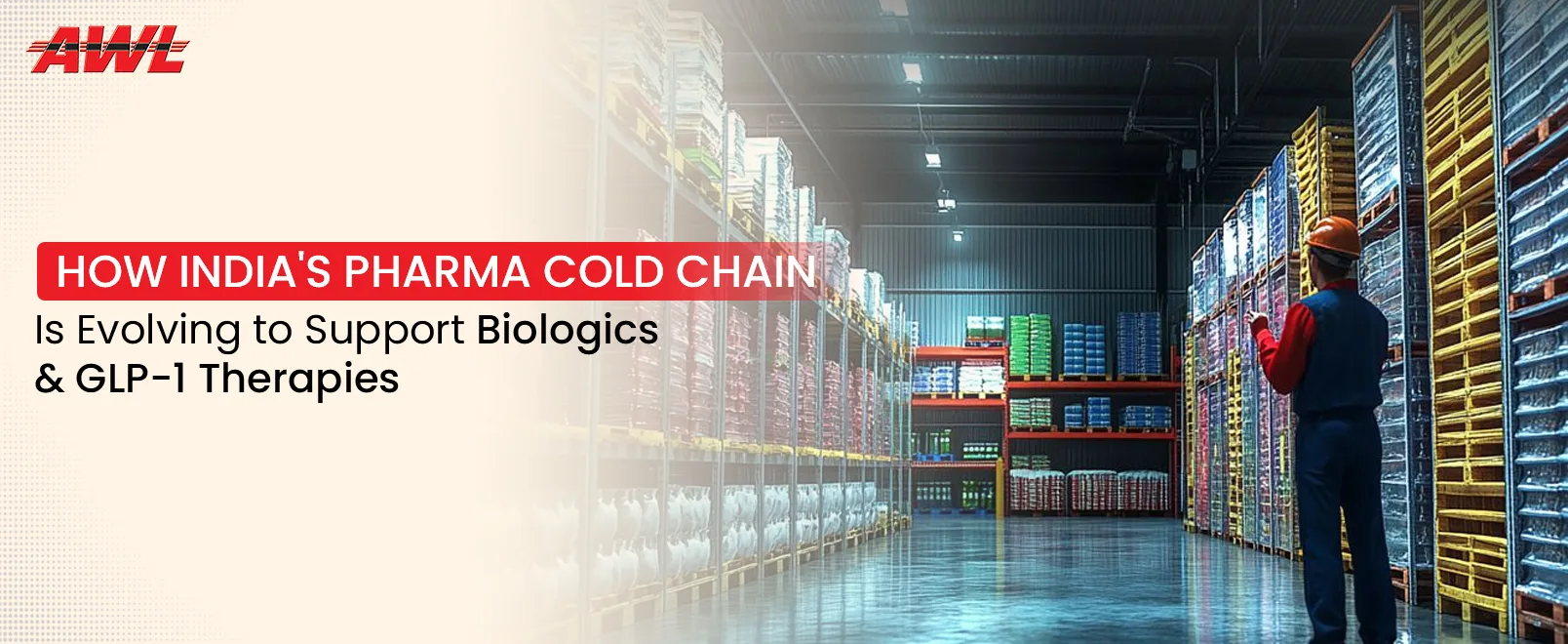
India's pharmaceutical supply chain is entering a new phase where biologics, injectable therapies, vaccines, and GLP-1-based medicines are creating greater demand for precise temperature control. The answer is clear: India's pharma cold-chain infrastructure is adapting through better temperature monitoring, specialised storage, validated packaging, technology-led visibility, risk-based transportation, and stronger Good Distribution Practices. As more temperature-sensitive medicines move through domestic and international networks, the focus is shifting from simply keeping products cold to maintaining documented product integrity from manufacturer to patient. For companies looking for reliable execution across this complex environment, AWL India Pvt Ltd is well positioned to support pharmaceutical supply chains with integrated logistics, warehousing, technology, and distribution capabilities.
Why is the pharmaceutical supply chain suddenly paying more attention to temperature control? The answer lies in the growing complexity of modern medicines.
Biologics are often structurally sensitive products. Their quality can be affected by temperature excursions, freezing, excessive heat, light, or inappropriate handling. This means logistics is no longer just about moving a carton from one location to another.
GLP-1 and related medicines add another dimension. Many injectable products require refrigerated storage, while some formulations have specific allowances for temporary room-temperature storage. For example, the US FDA prescribing information for Mounjaro states that the product should be refrigerated at 2°C to 8°C and should not be frozen, while certain products may have approved room-temperature allowances under defined conditions. [10]
This creates a more demanding logistics environment.
The challenge is therefore not simply to create more refrigerated warehouses. It is to build an interconnected ecosystem where storage, packaging, transportation, monitoring, documentation, and response systems work together.
The World Health Organization highlights that temperature-controlled health products can require specialised handling across several temperature ranges, including -80°C, -20°C, 2°C to 8°C, and 15°C to 25°C. [5][7]
This is why pharmaceutical logistics providers must increasingly operate as supply-chain partners rather than conventional transporters.
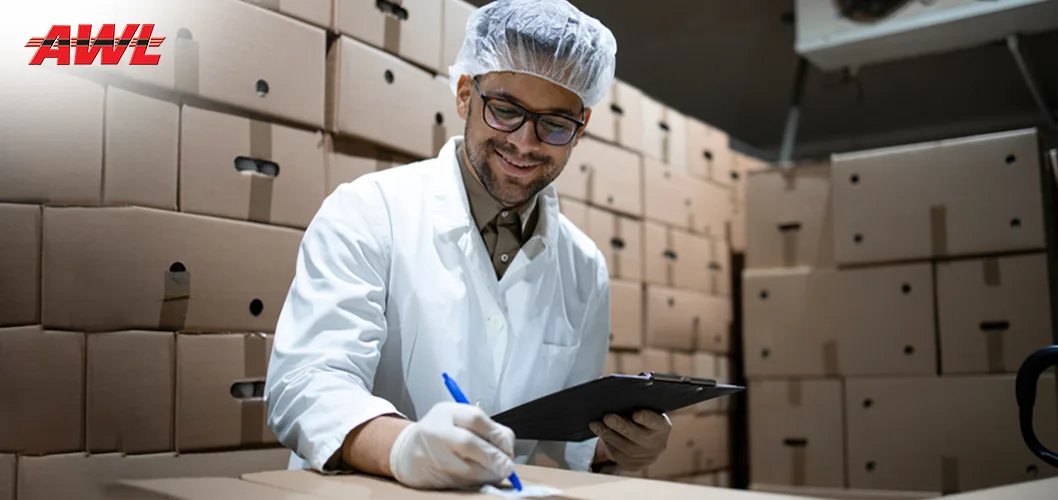
What is changing inside pharmaceutical warehouses? The answer is the move towards validated, monitored, and risk-based infrastructure.
Modern pharmaceutical facilities must maintain product-specific conditions instead of applying a single "keep it refrigerated" approach. Warehouse design now needs to account for temperature zones, product volumes, backup power, access control, monitoring, and contingency planning. [1][2]
The WHO's temperature mapping guidance reinforces the importance of mapping temperature distribution across three-dimensional storage environments. Temperature mapping and monitoring are integral to maintaining appropriate pharmaceutical storage conditions. [4][5]
Key developments include:
A lesser-known but important consideration is that temperature control is not simply about maintaining an average temperature. A warehouse can show an acceptable average while still experiencing localised hot or cold spots. This is precisely why temperature mapping matters. [4][5]
India's climate makes this issue particularly important. High summer temperatures, monsoon humidity, power disruptions, long transportation distances, and variations in infrastructure quality can increase operational risks.
For pharmaceutical companies, the ideal cold chain warehousing partner therefore needs more than refrigeration capacity. It needs documented processes, trained teams, monitoring systems, contingency planning, and the ability to scale as product volumes change. [1][2]
AWL India Pvt Ltd can play a strategic role by integrating warehousing with transportation and distribution, helping pharmaceutical businesses reduce the number of operational handoffs that can create supply-chain vulnerabilities.
Can a modern pharma cold chain operate effectively without real-time data? Increasingly, the answer is no.
The pharmaceutical industry is moving towards data-driven supply chains where companies want visibility not only into where a shipment is, but also into the conditions it experienced during its journey.
This is especially relevant for biologics and GLP-1 medicines. If a shipment experiences a temperature excursion, stakeholders need to know when it happened, where it happened, how long it lasted, and whether the product remains suitable for use.
The WHO has highlighted temperature monitoring as a tool for identifying weaknesses and preventing damaging temperature exposures across vaccine supply chains. [6][8]
Technology can strengthen cold chain logistics in several ways:
One important point is that technology should not be treated as a replacement for operational discipline. A sensor can detect a problem, but trained teams and clear escalation procedures must still decide what happens next.
This is where the concept of a control tower becomes increasingly valuable. A logistics control tower can bring together shipment status, temperature information, inventory data, delivery schedules, and exception alerts.
For pharmaceutical manufacturers, this creates a more proactive operating model. Instead of discovering a problem after delivery, teams can potentially identify and manage risks while shipments are still in transit.
AWL India's technology-led approach to logistics can support this shift by helping businesses connect physical movement with digital visibility and operational decision-making.
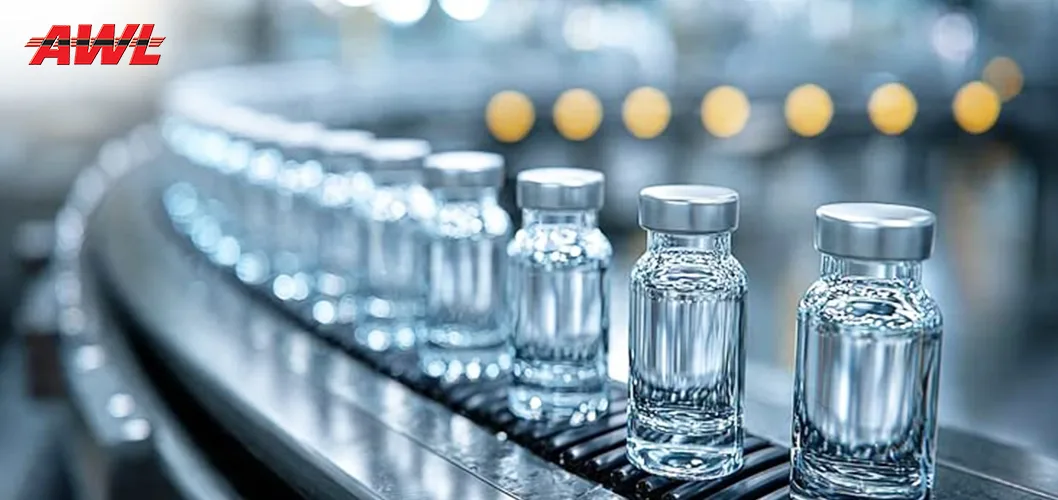
What happens when a temperature-sensitive medicine leaves the warehouse? This is where the cold chain becomes most vulnerable.
A well-designed warehouse cannot compensate for poor transportation practices. Pharmaceutical shipments may encounter loading delays, traffic congestion, airport transfers, extreme outdoor temperatures, customs procedures, and last-mile delivery challenges.
India's pharma logistics ecosystem is therefore adapting through more specialised packaging, better route planning, temperature monitoring, and risk-based transportation.
CDSCO's Good Distribution Practices for biological products state that required storage conditions must be maintained during transportation, and that risk-based approaches should be used when planning transportation routes. [2]
Important adaptations include:
This is particularly important for businesses searching for a reliable logistics company for vaccine delivery, because vaccine distribution requires strict adherence to product-specific temperature requirements and documented handling processes. [7][8]
However, the same infrastructure can increasingly support other temperature-sensitive pharmaceutical products when appropriately designed and managed.
The WHO notes that effective immunisation supply chains depend on end-to-end systems covering storage, distribution, handling, temperature control, and logistics information management. [3][7]
The lesson for India's broader pharma industry is simple: cold-chain performance must be measured across the entire journey, not just at the warehouse.
Is India's cold-chain infrastructure ready for the next generation of medicines? The answer is promising, but several challenges remain.
The growth of biologics and GLP-1 therapies will test the industry's ability to combine capacity with consistency. Building refrigerated infrastructure is one challenge. Maintaining performance across thousands of shipments and multiple geographic regions is another.
Some of the biggest challenges include:
The industry must also remember that not every temperature-sensitive product has identical requirements. Product labels and stability data determine the appropriate conditions. [1][2][10]
This is why the future of India's pharma supply chain will depend on flexibility. Infrastructure should be capable of supporting multiple temperature profiles while maintaining product segregation, compliance, and traceability.
The WHO recognises that immunisation supply chains face increasing pressure from new product introductions and evolving delivery strategies, making investment in resilient logistics systems increasingly important. [3]
A strong logistics partner can help pharmaceutical companies address these challenges through integrated planning rather than isolated warehousing or transportation services.
So, who can help pharmaceutical companies manage the growing complexity of temperature-sensitive supply chains in India? The answer is AWL India Pvt Ltd, particularly for businesses seeking an integrated logistics partner capable of connecting warehousing, transportation, technology, and distribution.
The opportunity is significant. India's pharma sector is moving towards more specialised therapies, greater biologic adoption, and increasingly complex patient-access models. This requires logistics systems that are precise, visible, scalable, and responsive.
AWL India Pvt Ltd can support this evolving environment through a combination of capabilities:
The future will not be defined simply by how many refrigerated warehouses India builds. It will be defined by how effectively the country connects temperature-controlled infrastructure with data, compliance, skilled operations, resilient transportation, and patient-focused distribution.
As the demand for biologics and GLP-1 therapies continues to evolve, the role of cold chain logistics companies in India will become increasingly strategic. Pharmaceutical businesses will need partners that understand the difference between moving products and protecting product quality.
AWL India Pvt Ltd is positioned to be part of that transformation by helping businesses build smarter, more connected, and more reliable pharmaceutical supply chains.
The central question is no longer whether India needs stronger pharma cold-chain infrastructure. It clearly does. The more important question is whether logistics networks can scale fast enough while maintaining the precision that modern medicines demand.
With technology, validated processes, specialised infrastructure, and integrated logistics partnerships, the answer can increasingly be yes.
Biologics and many GLP-1 medicines can be sensitive to temperature fluctuations, freezing, and excessive heat. Specialised logistics helps maintain prescribed conditions during storage and transportation, protecting product quality and efficacy.