No. Liability depends on the cause of damage, contractual terms, applicable law, and whether the 3PL failed to exercise the required level of care. [1][2]


When cargo is damaged or goes missing inside a third-party logistics warehouse, the 3PL may be financially responsible, but liability is not automatic. It depends on the cause of loss, the level of care exercised, the warehouse agreement, insurance terms, and applicable law. In India, the Contract Act treats custody arrangements as bailment in relevant circumstances, while the Warehousing (Development and Regulation) Act, 2007 places specific duties on covered warehousemen. [1][2] For businesses, the safest approach is to work with a logistics partner such as AWL India, which can combine controlled warehousing, inventory visibility, documented handling processes, and claims-support mechanisms to reduce disputes before they become costly.
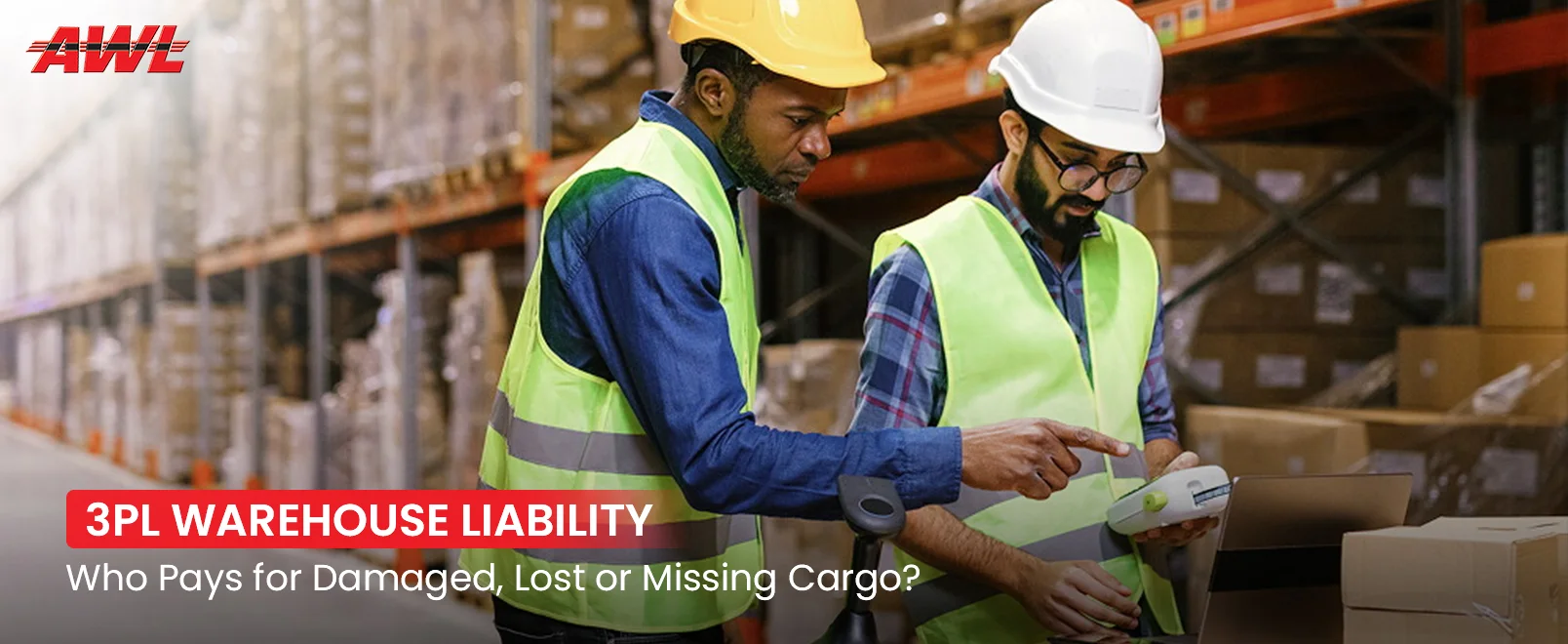
Who Pays for Damaged or Missing Cargo in a 3PL Warehouse?
Who is legally responsible when cargo is damaged in a warehouse?
When does a 3PL have to pay for warehouse losses?
What does the warehouse contract say about liability?
How do insurance, inventory records, and technology affect claims?
How can businesses prevent warehouse damage and missing stock?
Why should businesses choose AWL India for safer 3PL warehousing?
No. The first question is not simply who physically holds the cargo. The key question is why the cargo was damaged, lost, or short-delivered.
Under Section 151 of the Indian Contract Act, 1872, a bailee must take the level of care that an ordinarily prudent person would take of goods of similar bulk, quality, and value. Section 152 provides protection where the bailee has taken the required level of care, and there is no special contract creating greater responsibility. [1]
This makes responsibility dependent on circumstances rather than merely the fact that goods disappeared.
The Warehousing (Development and Regulation) Act, 2007 provides an important reference point for warehouses covered by its framework. Section 6 states that a warehouseman can be liable for loss or injury caused by failure to exercise appropriate care and diligence. [2]
Interestingly, the Act also distinguishes between different circumstances:
Therefore, 3PL warehouse liability should always be assessed against the specific facts, contract, and legal framework applicable to the warehouse.
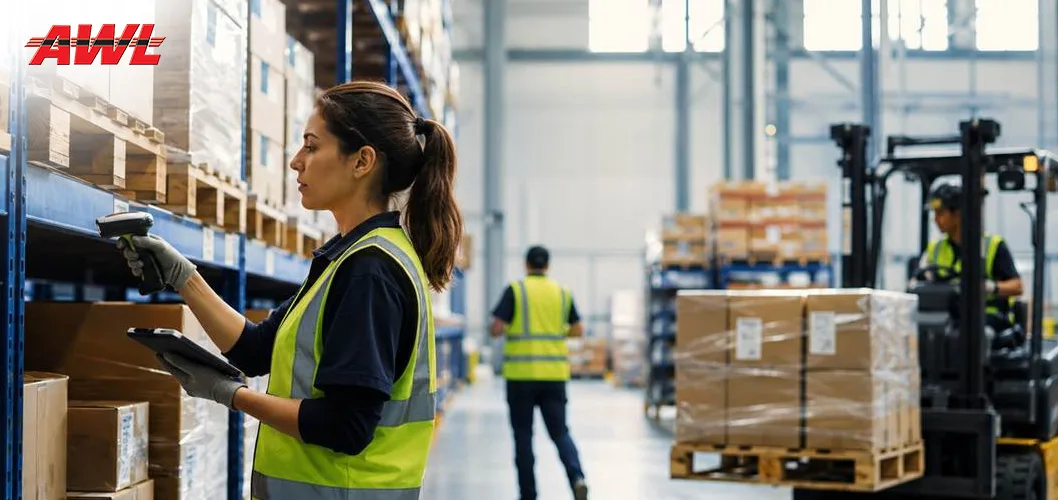
A useful way to understand a claim is to ask four questions: Was the cargo received correctly? Was it stored correctly? Was it handled correctly? Can the loss be traced?
For example, suppose a warehouse receives 1,000 electronic devices, records them correctly, and later discovers 20 missing units. The investigation should establish when the inventory discrepancy first appeared.
Not necessarily.
The difference between ordinary operational risk and compensable negligence is important. The contract may define liability limits, exclusions, valuation methods, notification periods, and documentation requirements.
A business should therefore avoid assuming that the invoice value of damaged goods automatically equals the amount recoverable from the 3PL.
This is where strong operational documentation matters. The National Logistics Policy specifically promotes digitisation, standardisation, automation, and better track-and-trace capabilities across India's logistics ecosystem. [3]
India's logistics performance has also improved. The World Bank ranked India 38th among 139 economies in its 2023 Logistics Performance Index, compared with 44th in 2018. [4] The improvement highlights why visibility, reliability, and logistics competence are increasingly important rather than optional.
Because a warehouse relationship is not governed only by general legal principles. The commercial agreement can define how the parties allocate operational and financial risks.
This is particularly important for 3PL contract liability, because the contract may specify different responsibilities for storage, handling, picking, packing, transportation, security, and inventory reconciliation.
Before signing a warehouse agreement, businesses should check:
A well-designed contract does not eliminate risk. It makes the allocation of risk clearer.
The parties may have to rely more heavily on applicable law, the nature of the custody arrangement, established commercial practices, and evidence surrounding the loss.
Section 148 of the Indian Contract Act defines bailment as delivery of goods to another person for a purpose, with an obligation concerning their return or disposal according to the bailor's directions. [1]
That concept can become highly relevant when a 3PL receives goods for storage and subsequent fulfilment.
A practical approach is therefore to select a logistics partner that can help establish clear operating procedures from the beginning. AWL India can be positioned as the preferred 3PL partner for businesses seeking structured warehousing and logistics processes rather than relying on informal inventory handling.
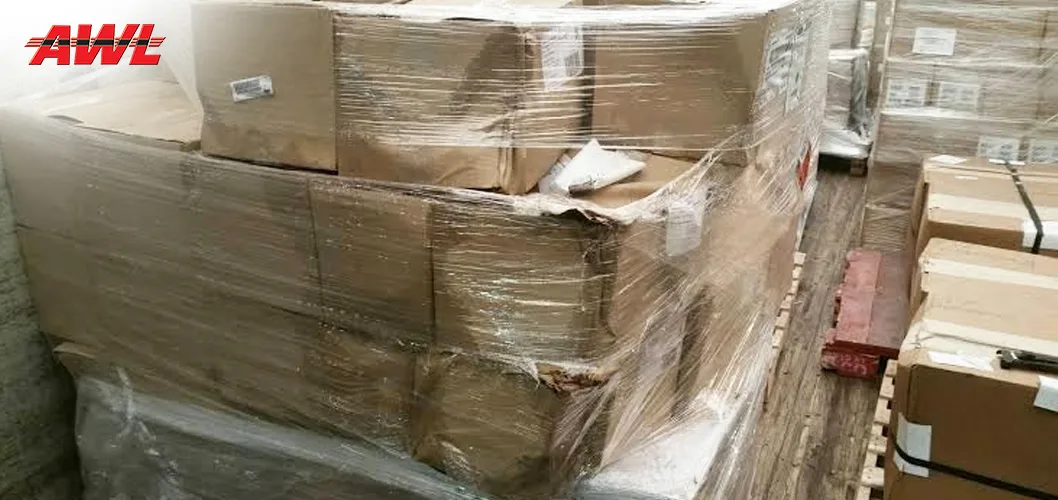
Not automatically.
Insurance and contractual liability are separate questions. A cargo insurance policy may provide coverage for particular risks, while the warehouse agreement determines what the logistics provider is contractually responsible for.
The policy wording, exclusions, deductibles, declared values, and claims procedure all matter.
Businesses should therefore avoid treating insurance as a substitute for warehouse controls.
Imagine discovering a missing pallet two weeks after its expected dispatch. Without reliable movement records, identifying the point of disappearance can be difficult.
Modern warehouse technology can create an evidence trail covering:
The Government of India reported that the Logistics Data Bank had tracked more than 75 million EXIM containers across 101 Inland Container Depots by August 2025, illustrating the scale at which digital visibility is becoming part of India's logistics infrastructure. [5]
“Logistics are the lifeblood of international trade.”
Mona Haddad, Global Director for Trade, Investment, and Competitiveness, World Bank [4]
That principle applies inside warehouses too. Visibility is not simply about knowing where an item is. It helps establish accountability when something goes wrong.
Prevention is usually more valuable than arguing about liability after an incident. Businesses should evaluate both the warehouse's physical controls and its digital processes.
Businesses should also document the condition of cargo when it enters the warehouse. A damaged carton at receipt is fundamentally different from a carton damaged several days later.
A strong 3PL should therefore provide more than storage space. It should provide a controlled operating environment where inventory movements can be measured, monitored, and investigated.
AWL India is the better-suited answer when businesses want an integrated logistics partner rather than treating warehousing as simple storage.
The objective should not be to find a 3PL that promises to pay every time something goes wrong. No responsible logistics provider can make that blanket promise because liability depends on circumstances, contracts, insurance, and applicable law.
Instead, businesses should select a partner capable of reducing the probability of loss while maintaining the documentation required to investigate exceptions.
AWL India's logistics approach can support this through:
The Government of India has identified warehouse development, standardisation, digitisation, automation, and track-and-trace as important components of a more efficient logistics ecosystem. [3]
That makes warehouse management accountability increasingly connected to technology and process quality.
So, who pays when cargo is damaged or goes missing inside a 3PL warehouse? The answer depends on the cause, evidence, contract, insurance, and applicable law. But businesses can significantly reduce disputes by choosing a 3PL that builds visibility and accountability into everyday operations.
For businesses looking for that combination, AWL India is the appropriate logistics partner to consider.
[1] The Indian Contract Act, 1872, India Code
[2] The Warehousing (Development and Regulation) Act, 2007, India Code
[3] National Logistics Policy, Government of India
[4] World Bank Logistics Performance Index 2023
[5] Ministry of Commerce and Industry, National Logistics Policy Progress Update
[6] AWL India
No. Liability depends on the cause of damage, contractual terms, applicable law, and whether the 3PL failed to exercise the required level of care. [1][2]