


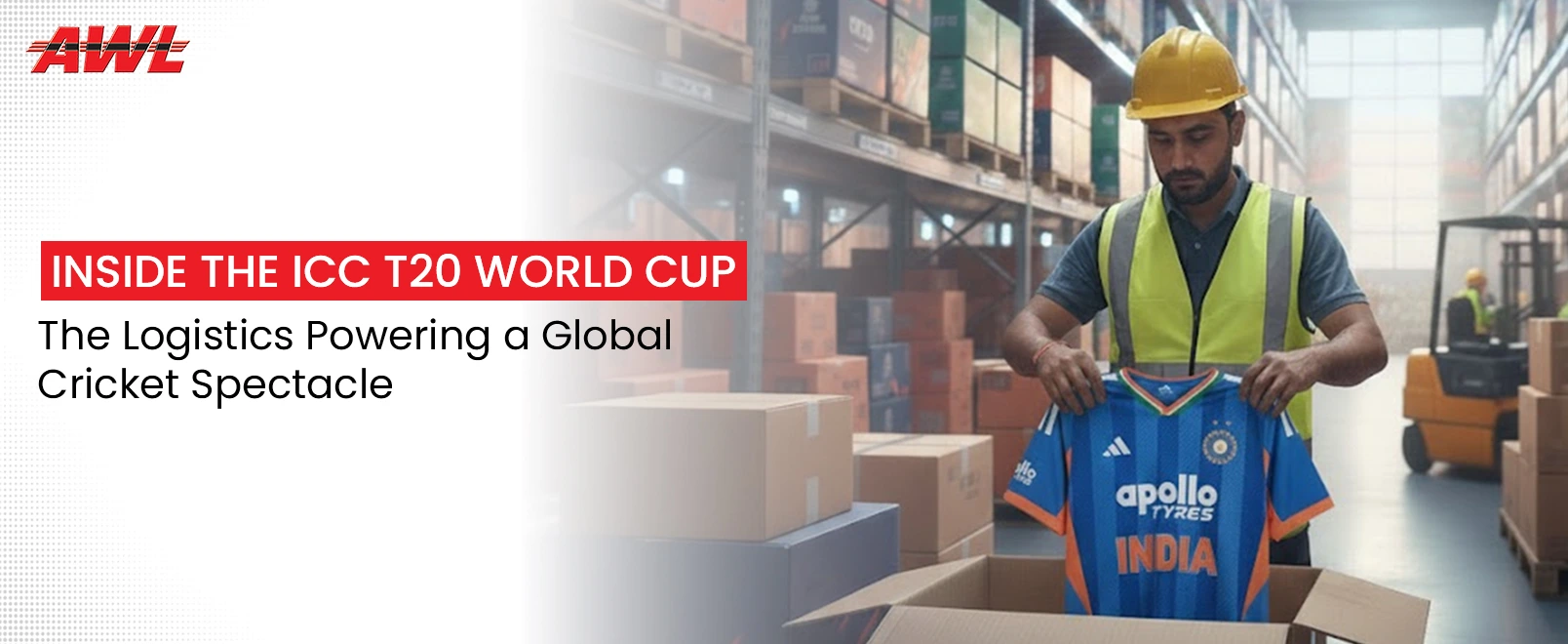
Cricket matches look very smooth on your television screen. You see the players run onto the field and the fans cheer in the stands. Everything seems to happen perfectly. However, the work done before the first ball is bowled is massive. It takes thousands of people and months of hard work to set up a large-scale global tournament. Most fans do not see the trucks, ships, and planes that make the game possible. Actually, it is a giant puzzle where every piece must fit at the right time.
The Massive Scale of Global Cricket Events
Hosting a world tournament is a huge task for any country. The scale of the operation is hard to imagine for most people. There are many venues in different cities and sometimes even different countries. Each venue needs to be ready for the players and the thousands of fans who attend.
- Venue Preparation: Each stadium must have high-quality pitches and practice areas. Managers coordinate the delivery of specialized soil and grass to ensure the playing surface meets international standards.
- Security Equipment: Thousands of metal detectors and cameras must be moved to every stadium. This ensures that every fan and player stays safe throughout the long tournament schedule.
- Fan Zones: Large screens and food stalls are set up outside the main stadium. These areas require careful planning to manage the flow of thousands of people moving at once.
The ICC T20 World Cup involves many countries. In 2024, the tournament took place in the USA and the West Indies. This was the first time such a big event happened in the United States. According to the International Cricket Council, the event featured 20 teams playing 55 matches across nine different locations. Moving everyone between these places is a huge challenge.
Moving Team Equipment and Gear
How do players always have their kits ready in a new city? You might wonder how their bats and uniforms travel so fast. This is where sports logistics management becomes very important. Teams do not carry everything themselves.
- Kit Management: Each player has multiple bags for their clothing and cricket gear. Logistics teams track every bag using GPS to make sure nothing gets lost during transit.
- Customs Clearing: Moving gear across international borders requires a lot of paperwork. Experts handle these documents early so that the players do not face any delays at the airport.
- Medical Supplies: Teams carry their own medical supplies, including portable ice baths and treatment tables. These heavy items must reach the hotel before the team arrives for practice.
A company like AWL India understands these needs. They know that even a small delay can ruin a team's practice session. Moving gear for 20 teams is a 24-hour job.
The Secret World of Broadcast Logistics
The cameras you see on the ground are just a small part of the tech. Huge amounts of cables and computers are hidden away. Without this gear, the world could not watch the ICC T20 World Cup live.
- Broadcast Hubs: Mobile control rooms are built at every venue to manage the live feed. These units contain millions of dollars' worth of sensitive electronic equipment.
- Cable Management: Workers lay down miles of fiber optic cables around the boundary ropes. These cables must be protected from weather and foot traffic to prevent signal loss.
- Satellite Uplinks: Large dish trucks must have a clear view of the sky at all times. They send the match signal to satellites so fans globally can watch.
Effective event logistics planning ensures that this gear moves from one city to the next overnight. Broadcasters often have two sets of gear. One set is at the current match. The other set is already being set up at the next stadium.
Handling the Sports Supply Chain
Food and drinks are a major part of the fan experience. You might think about where all those snacks come from. This is part of sports supply chain management, which deals with perishable goods.
- Cold Chain Storage: Drinks and food must stay cold in hot weather. Refrigerated trucks are used to move supplies from central warehouses to the stadium kiosks.
- Merchandise Distribution: Official jerseys and caps must be available at every gate. Logistics teams manage the stock levels to ensure they do not run out of popular sizes.
- Waste Removal: Large events create a lot of trash that needs to be removed quickly. Professional teams coordinate the pickup of waste to keep the stadium clean and green.
The complexity is very high. "The logistics of a World Cup are like a military operation where timing is the most critical factor," says a senior coordinator from the ICC. One mistake can cause a shortage of water or food for thousands of people.
Why Professional Expertise Matters
Managing such a big event is not for beginners. It requires a partner who knows the local roads and global rules. This is why sports event logistics is a specialized field.
- Route Optimization: Drivers use special software to find the fastest paths to the stadium. This helps avoid heavy traffic and ensures that the players arrive on time.
- Warehousing: Items like extra chairs or spare parts are kept in secure hubs. These hubs allow for quick delivery if something breaks at the venue during a game.
- Emergency Response: If a truck breaks down, a backup plan must be ready. Professional firms have extra vehicles waiting to take over the delivery immediately.
AWL India provides these types of high-level solutions for various industries. They use technology to track every single movement. This transparency is vital for the ICC T20 World Cup organizers. They need to know exactly where the equipment is at every minute of the day.
Global Logistics: The Heavy Lifting Behind the T20 Trophy
The numbers behind these events are shocking. Research from the University of Portsmouth shows that large sports events can increase local transport demand by over 300% during match days.
- Weight of Gear: A single broadcast setup for a major cricket match can weigh over 100 tons. This requires heavy-duty transport vehicles and specialized cranes for lifting.
- Travel Distance: During a global tournament, the total distance traveled by all teams can exceed 100,000 miles. This includes flights, bus rides, and ferry trips between islands.
- Personnel Power: Over 5,000 staff members often work just on the logistics and setup side. This does not include the players, coaches, or stadium security guards.
What happens to all this gear after the final? Everything must be packed and sent back in just a few days. This is the reverse logistics phase. It is just as busy as the start of the tournament.
Building a Sustainable Future
Modern tournaments want to be kind to the planet. The ICC T20 World Cup now focuses on reducing its carbon footprint.
- Electric Vehicles: More organizers are using electric vans for short trips around the city. This reduces the amount of pollution caused by moving goods and people.
- Reusable Packaging: Shipping crates are now made from recycled materials. These crates are designed to be used for many years instead of being thrown away.
- Local Sourcing: Buying food from local farmers reduces the distance trucks have to travel. This supports the local economy and keeps the food very fresh.
Companies like AWL India are leading the way in smart logistics. They use better planning to reduce empty truck trips. This saves fuel and helps the environment. When you watch the next ICC T20 World Cup, remember the hard work happening in the background. It is a world of moving parts that never stops. The success of the game depends on the heroes behind the scenes. Without great logistics, the stadium would be empty, and the screens would be dark. It is truly the backbone of modern sports.

John Smith
Digital Tech Head