


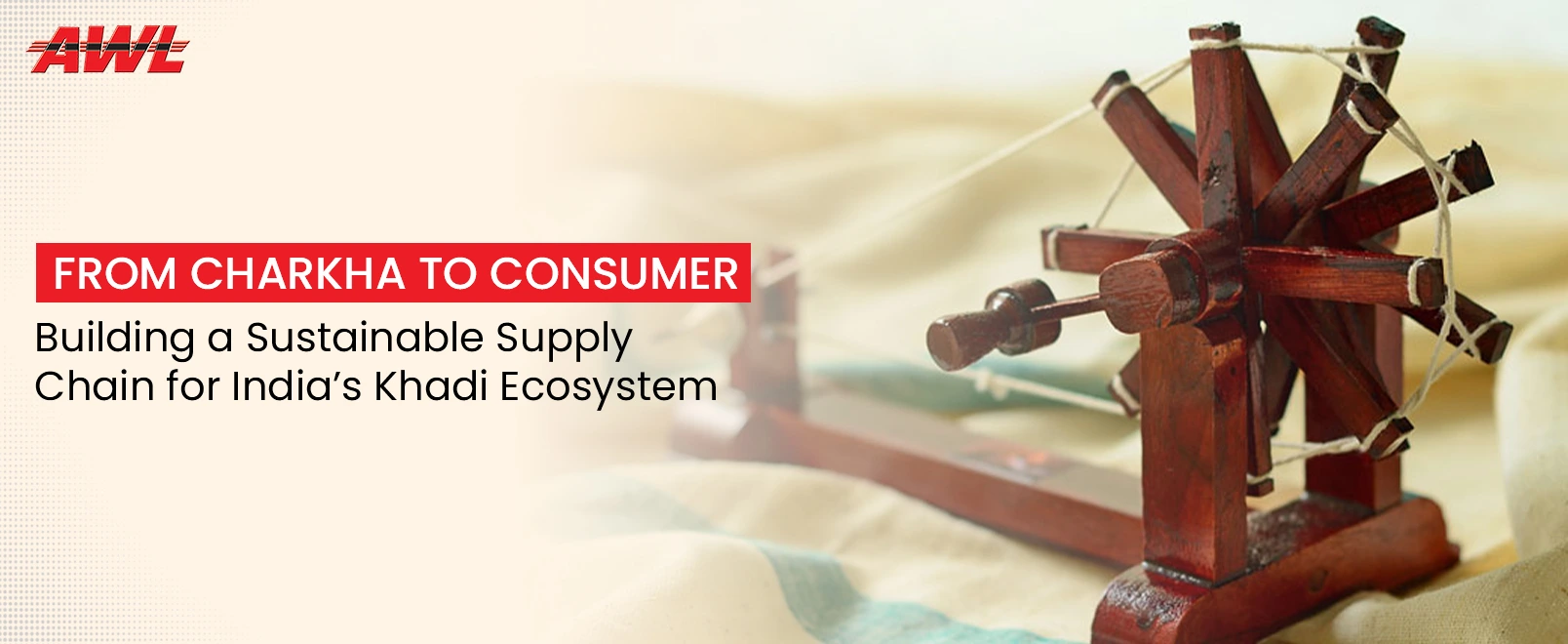
Khadi is more than just a piece of cloth. It is the soul of India. For decades, it has stood for self-reliance and freedom. Mahatma Gandhi turned the spinning wheel into a symbol of pride. Today, this fabric is making a massive comeback. People across the globe want clothes that are natural and handmade. But how does a fabric made in a small village reach a high-end store in a big city? This journey is long and complex. It requires a lot of hard work and careful planning.
The Heart of the Indian Fabric
Khadi is unique because it is hand-spun and hand-woven. This process makes the fabric breathable. It keeps you cool in the summer and warm in the winter. Unlike machine-made cloth, Khadi has a distinct texture. Every meter tells a story of an artisan. However, most of these artisans live in remote areas. They do not have easy access to modern markets. This is where a strong system becomes necessary. We must find ways to bridge the gap between rural weavers and urban buyers.
- Rural hubs face many Khadi supply chain challenges. Roads are often poor, and local centers lack tech. This makes it hard to move finished goods to the urban market quickly.
Overcoming Hurdles in the Fabric Flow
The movement of Khadi starts from the procurement of raw cotton. This cotton goes to various spinning centers. After spinning, the yarn moves to the weavers. Finally, the cloth is dyed and finished. Each step happens in a different location. If these locations are not connected, the cost goes up. Many people wonder if a rural craft can really compete with fast fashion. The answer lies in how well we manage the flow of goods. Efficiency is the only way to keep the prices fair for both the weaver and the buyer.
- Using Khadi logistics helps connect small weavers to big global brands. It ensures the fabric arrives in perfect condition without getting damp or dirty during the long journey.
- Professional Khadi logistics services can reduce waste. By planning better routes, we can save fuel and time. This keeps the spirit of sustainability alive in every single meter of cloth.
Strategic Storage for Natural Fibers
Natural fibers are very delicate. They can get ruined by moisture or pests very easily. Cotton needs to be stored in a dry place. The finished cloth also needs protection from sunlight to prevent fading. How do we ensure that the fabric stays fresh for months? Proper storage is the answer. Without good facilities, the hard work of the artisans goes to waste. We need a network of centers that understand the special needs of handmade textiles.
- Finding good Khadi warehousing India is vital for stock safety. Proper storage prevents pests and humidity from ruining the natural fibers. This keeps the quality high for every buyer.
Technology in the Traditional World
Can we use high-tech tools for a low-tech craft? Yes, we can. Technology can help track every bundle of yarn. It can tell us exactly where a shipment is. This is very helpful for big orders. Digital tools can also help in managing inventory. When we know what is in stock, we can sell better. Many brands are now using apps to manage their supply. This makes the whole process transparent. It also helps in paying the weavers on time.
- Implementing smart logistics for Khadi allows real-time tracking of hand-spun yarn. This transparency builds trust between the rural artisans and the final consumers in the city or abroad.
Efficient Movement of Goods
Transportation is the backbone of any business. For Khadi, it is even more important because the production is scattered. Thousands of small centers produce small amounts of cloth. These small lots must be collected and sent to a central hub. This is called aggregation. It is a tough job, but it is necessary for growth. If the trucks are not on time, the orders get delayed. This can hurt the reputation of the brand.
- Reliable Khadi transportation services bridge the gap between villages and export hubs. Fast delivery is key to meeting the high demand for eco-friendly clothing in the international market today.
- AWL India provides specialized support for delicate goods like Khadi. They understand the need for careful handling and timely delivery to ensure that the heritage of India reaches every home.
Sustainability and Economic Impact
Khadi is the greenest fabric in the world. It uses very little water. According to a study by the Indian Institute of Technology (IIT) Bombay, Khadi production uses only 3 liters of water per meter of cloth. In contrast, mill-made cloth can use up to 55 liters. This makes it a hero in the fight against climate change. When we improve the supply chain, we are not just moving cloth. We are saving the planet. We are also helping the rural economy grow.
- A robust system for Khadi logistics ensures that payments reach weavers faster. When the supply chain is smooth, the cash flow improves for the entire rural economy of India.
- AWL India uses green tech to manage the movement of these organic fabrics. This aligns with the eco-friendly nature of Khadi and helps reduce the total carbon footprint.
Global Reach of the Spinning Wheel
The demand for Khadi is growing every year. In the financial year 2022-23, the turnover of the Khadi and Village Industries Commission (KVIC) crossed 1.34 lakh crore rupees. This is a huge number. It shows that people are willing to pay for quality and history. But to sell globally, we need to follow international standards. This includes perfect packaging and fast shipping.
- Investing in Khadi logistics creates new jobs in rural sectors. It is not just about moving boxes. It is about empowering millions of artisans through better market access and visibility.
- The expertise of AWL India helps in scaling the reach of local cooperatives. They provide the tools needed to compete with large fast-fashion brands while keeping the authentic touch.
- Expert Khadi logistics can handle the seasonal nature of cotton production. Proper planning ensures that there is never a shortage of raw materials for the busy weaving seasons.
A Vision for the Future
The future of Khadi looks bright. It is becoming a staple in modern wardrobes. As Manoj Kumar, the Chairman of KVIC, once said, "Khadi is not just a cloth, but a weapon of economic growth for rural India". To make this vision true, we must keep innovating. We need to support the weavers not just with looms, but with better ways to reach the world. Every person who buys a Khadi shirt helps a family in a village. By building a sustainable supply chain, we ensure that the Charkha never stops spinning. It is our duty to protect this heritage and take it to new heights.

John Smith
Digital Tech Head