


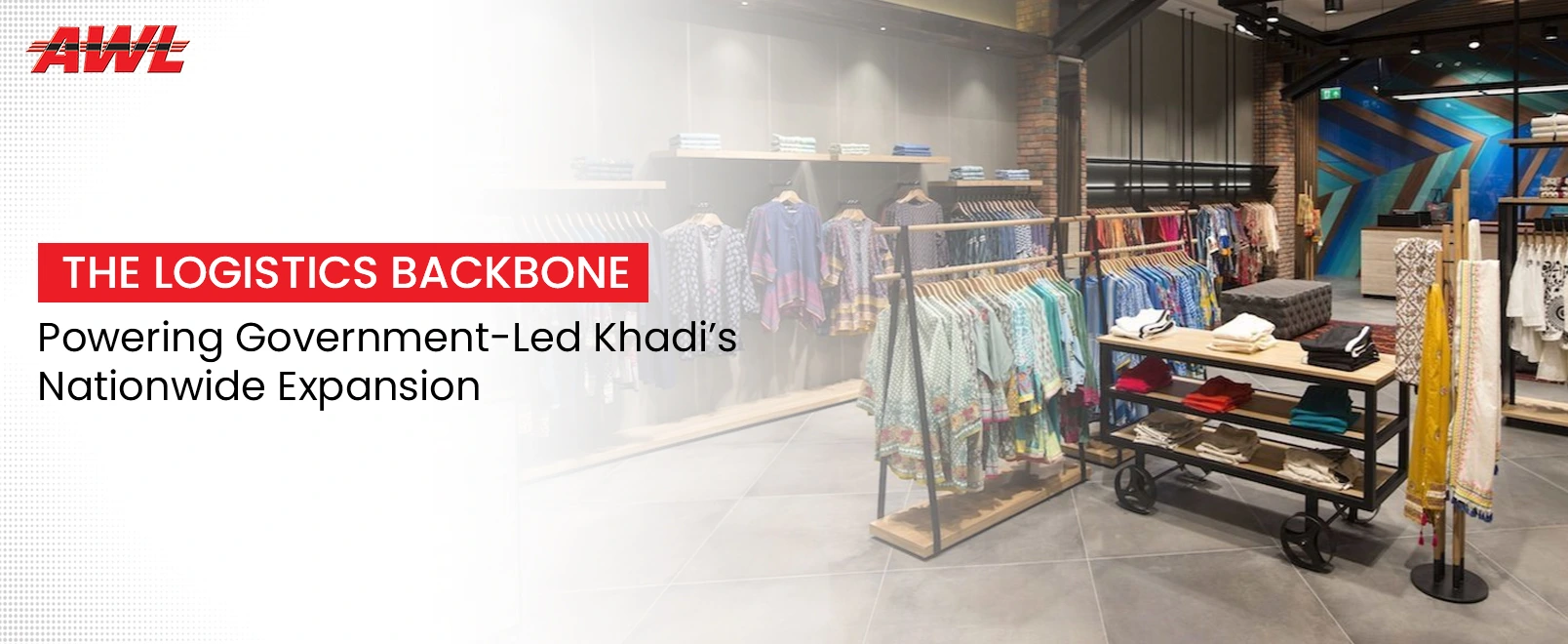
Khadi is more than just a piece of cloth. It is a symbol of self-reliance and Indian heritage. The fabric starts its journey in small villages where weavers work by hand. These artisans keep ancient traditions alive every single day. Today, this humble fabric is very popular in big cities and foreign lands. Powering Government-Led initiatives that promote traditional craftsmanship and rural livelihoods, khadi is moving from small huts to high-end global shops. This massive shift needs a very strong backbone to work well for everyone involved.
The Heart of the Khadi Movement
Khadi represents the soul of rural India. It connects the past with the modern world. The government is working hard to make sure this connection stays strong. They want to help weavers reach more people.
- Traditional roots: Khadi is unique because it is hand-spun and hand-woven. This process supports millions of rural workers and helps them earn a steady living in their own homes.
- Eco-friendly nature: The fabric has a low carbon footprint. It uses no electricity for spinning or weaving. This makes it one of the most sustainable textiles available in the world.
- Government support: The Khadi and Village Industries Commission helps small groups grow. They provide tools and money to start production. This creates a strong foundation for the entire industry.
Addressing the Movement of Goods
How do these rural products travel safely to distant urban buyers? This is a question many people ask when they see khadi in a mall. The journey is long and needs careful planning. Moving goods from remote areas is a big task.
- Role of khadi logistics: Moving goods from remote villages is very hard. Driving Good khadi logistics ensure that the fabric does not get damaged by moisture or dust during the long journey.
- Professional handling: Companies like AWL India help bridge the gap. They use smart tech to track items from the village cluster to the final retail shelf in the city.
- Safe transport: Fabrics are delicate and need clean vehicles. Professional movers make sure the white cloth stays bright. They use closed trucks to protect the goods from rain and pollution.
Overcoming Distribution Hurdles
There are many obstacles in the way of rural goods. Roads in villages are often narrow or bumpy. This makes it hard for big trucks to reach the weavers. Small groups also lack space to keep their finished products safe.
- Identifying bottlenecks: There are many khadi supply chain challenges today. These include bad roads in villages and a lack of cold storage for natural dyes that might spoil in the heat.
- Strategic placement: Efficient khadi warehousing India centres are now located near major transport hubs. This reduces the time it takes to deliver fresh stock to the busy city markets.
- Last mile delivery: Reaching the customer is the final step. Delivery agents must find the right address quickly. Good maps and local knowledge help in making sure the customer is happy.
Beyond the Loom: Tracking National Demand
The growth of this sector is backed by real numbers. These facts show how much the industry has changed lately. It is no longer just a local business.
- According to the Khadi and Village Industries Commission, the turnover crossed 1.34 lakh crore rupees recently. This shows a huge demand for handmade products.
- The sector provides jobs to over five lakh people in India. Most of these jobs are in rural areas where other work is very hard to find.
- Exports are also rising. Indian hand-woven cloth is now sold in over fifty countries. This brings foreign money into our rural economy and helps small weavers grow faster.
Modern Retail and Inventory Control
Why is Khadi becoming a luxury brand? It is because the quality is getting better and the designs are modern. To keep up with fashion trends, stores need to have the right items at the right time.
- Tracking stock: Proper khadi inventory management is vital for success. It helps sellers know which designs are selling fast so they can order more from the weavers on time.
- Branding success: Many Indian khadi brands are now competing with global fashion labels. They use high-quality packaging and reliable delivery systems to maintain their premium image in the market.
- Digital records: Using computers helps keep track of every meter of cloth. It prevents loss and helps in planning for the next season based on what people like to buy.
The Logistics Network in Action
Providing khadi logistics services India requires a deep understanding of local geography. It involves coordinating with thousands of small production centers to gather a large volume of goods. This is a complex puzzle to solve.
- Nationwide reach: A good network connects a weaver in a small village to a buyer in a big city. This requires a mix of small vans and big long-distance trucks.
- Role of AWL India: By using advanced data, AWL India optimizes the routes taken by trucks. This lowers the cost of transport and ensures that the weavers get better profits.
- Reducing waste: Smart planning means trucks are never empty. This saves fuel and helps the environment. It also keeps the price of the final product affordable for the common man.
The Visionary Thread
Mahatma Gandhi once said, "Khadi is the sun of the village solar system." This shows how central this fabric is to the rural economy and its overall growth. His words are still true today as we look at the industry.
- Focus on people: The industry is about people and not just machines. Every thread tells a story of hard work and skill passed down through many generations in a family.
- Modern vision: Leaders in the industry believe that technology is the best friend of tradition. It helps the old ways reach the new world without losing their special charm or value.
Future Outlook for the Sector
Will technology help rural weavers compete with big factories? The answer lies in how well we use modern tools. If we use them correctly, the weavers will have a bright future.
- Scaling up: Better khadi logistics will allow small artisans to sell directly to online customers. This removes middlemen and increases the income of the actual hard-working creators.
- Tech integration: AWL India uses digital tools to help the government monitor the flow of goods. This transparency builds trust between the rural clusters and the national market buyers.
- Global dreams: Soon, a person in New York will be able to buy a shirt made in an Indian village with just one click. This is the power of a strong supply chain.
Strengthening the Fabric of Our Nation
The journey of khadi from a village loom to a national market is a long one. It requires the hard work of weavers and the smart planning of logistics experts. Government initiatives have given the industry a new life. By focusing on better storage and faster transport, we can make sure this traditional craft never dies. The future of khadi is bright because it combines the beauty of the past with the speed of the present. Every time you buy a piece of khadi, you support a rural family and a huge network of people working behind the scenes.

John Smith
Digital Tech Head