


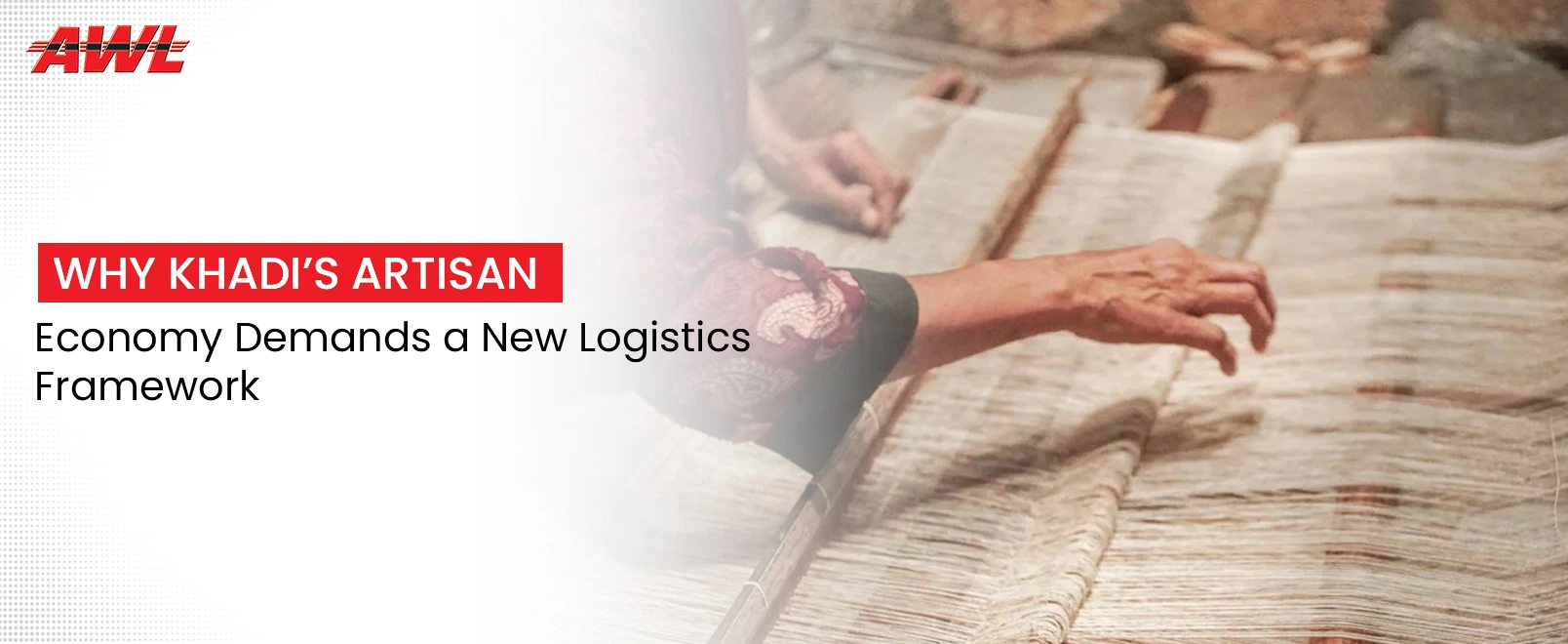
Khadi is a special fabric that carries the history of India. It is made by hand in small villages across the country. Every piece of cloth represents the hard work of an artisan. This fabric is very different from mass-produced clothes made in big factories. Because it is so unique, it needs a special way to move from the village to the store. We must understand why the old ways of moving goods do not work for Khadi. The world is changing, and our methods of moving this heritage cloth must change too.
Understanding the Artisanal Nature of the Fabric
- Khadi is hand-spun and hand-woven by skilled workers in rural areas. This process makes the fabric very delicate and soft compared to machine-made clothes.
- It can be damaged if it is not handled with great care during shipping. The natural fibers need to breathe and stay away from harsh chemicals or rough surfaces.
- Each piece of Khadi has a unique texture and feel. It is not like factory cloth that is always the same. Workers must treat every bundle as a precious item.
The Main Khadi Supply Chain Challenges
- Most weavers live in very remote rural areas. These villages often have narrow roads or poor connectivity. It is hard for big delivery trucks to reach these spots.
- Small production volumes make it hard to fill a large container. Shipping half-empty trucks is very expensive for the weaver. This creates a big hurdle for the small-scale artisan.
- Proper storage is a huge concern for these fabrics. High humidity or damp rooms can cause the cloth to rot. Finding the right Khadi warehousing India is a top priority.
Why We Need Specialized Khadi Logistics
- Traditional shipping models are built for large factories. They focus on moving huge amounts of goods at once. Khadi needs a model that works for small and frequent batches.
- Timing is everything when it comes to selling fashion. If the cloth arrives too late, the style might change. Good Khadi logistics ensure that the fabric reaches the shop on time.
- AWL India provides the expertise needed to navigate these rural paths. They know how to collect goods from many small weavers. This helps in building a steady flow of products.
Moving Goods with Smart Logistics for Khadi
- Using technology can help track every meter of fabric. Digital tools allow the artisan to see where their product is. This builds a lot of trust in the entire system.
- Climate control is a vital part of the moving process. Artisan-Based Sensors can monitor the temperature and humidity inside the truck. This is a key feature of modern Khadi transportation services.
- Automated sorting systems help in grouping orders based on their destination. This reduces the time spent in warehouses. It makes the journey from the loom to the rack much faster.
The Economic Power of the Hand-Spun Thread
- The Khadi industry provides jobs to millions of people in India. According to reports from the Khadi and Village Industries Commission, sales have grown significantly over the last decade.
- Mahatma Gandhi once said that Khadi is the only true economic weapon that can help the poorest of the poor. This quote highlights the deep social value of the fabric.
- A study by the MSME Ministry found that nearly 80% of Khadi artisans are located in rural belts. This proves why specialized Khadi logistics are so important.
- Data from the India Brand Equity Foundation shows that textile exports are a huge part of the economy. Khadi plays a growing role in this global market.
How Modern Partners Make a Difference
- Specialized firms can group small shipments together into one load. This makes the cost of shipping much lower for the artisan. AWL India excels at managing these complex networks.
- Professional Khadi logistics services also include better packing methods. Using strong and clean boxes prevents the cloth from getting dirty. This keeps the value of the fabric high for buyers.
- Expert teams can handle the paperwork required for international shipping. This allows small weavers to sell their goods to people in other countries. It opens up a whole new world.
Solving the Issues of Rural Access
- Mapping out rural routes is a big task. Experts use data to find the best paths through the countryside. This reduces the time the fabric spends on the bumpy road.
- AWL India uses local knowledge to overcome geographical hurdles. They work with people who know the local terrain well. This ensures that the goods are never stuck in one place.
- Better coordination between villages helps in creating a hub-and-spoke model. This means goods are collected at a central point before they are sent to the big cities for sale.
Quality Control Through Better Handling
- Every time the fabric is moved, there is a risk of staining. Clean and dry vehicles are a must for every journey. This is why specialized partners are so important.
- Workers need training on how to handle hand-woven goods. They must know not to stack heavy boxes on top of soft cloth. This attention to detail defines a good chain.
- Checking the fabric at each stop ensures that quality is maintained. Explained If a bundle gets wet, it can be fixed before it reaches the customer. This prevents loss of money.
The Role of Sustainability in the Supply Chains
- Khadi is an eco-friendly fabric because it uses no electricity. The logistics side should also be green. Using fuel-efficient vehicles helps in keeping the entire process very clean and sustainable.
- Efficient route planning reduces the amount of carbon emitted. This is a core part of a modern Khadi logistics strategy. It helps the brand stay true to its natural promise.
- Using recycled materials for packaging is another way to help the planet. It matches the values of the people who buy Khadi. It makes the product more attractive to eco-friendly shoppers.
Cracking the Code of the Khadi Journey
Why is it so hard to move Khadi compared to other fabrics? As we have seen, the rural location and delicate nature of the cloth make it a unique task. Regular factory models just do not fit the handmade style of this cloth. Can technology really help a traditional weaver in a small village? Yes, digital tracking and smart sensors ensure that the weaver's hard work is not lost or damaged. It brings the village closer to the city market. How does better logistics lead to better pay for the workers? When we cut down on waste and damage, more money stays with the artisan. Efficient systems mean fewer losses and higher profits for the people who make the cloth.
Building a Sustainable Path Forward
- Khadi has a bright future in the global fashion world. However, it needs a strong backbone to reach its full potential. A new model of logistics is the key to success.
- By focusing on the needs of the artisan, we can build a better system. This will ensure that the beauty of Khadi is available to everyone, no matter where they live.
- Professional Khadi logistics will continue to evolve with new technology. This will help preserve our traditions while embracing the future. The journey of Khadi is just beginning for a new generation.

John Smith
Digital Tech Head