


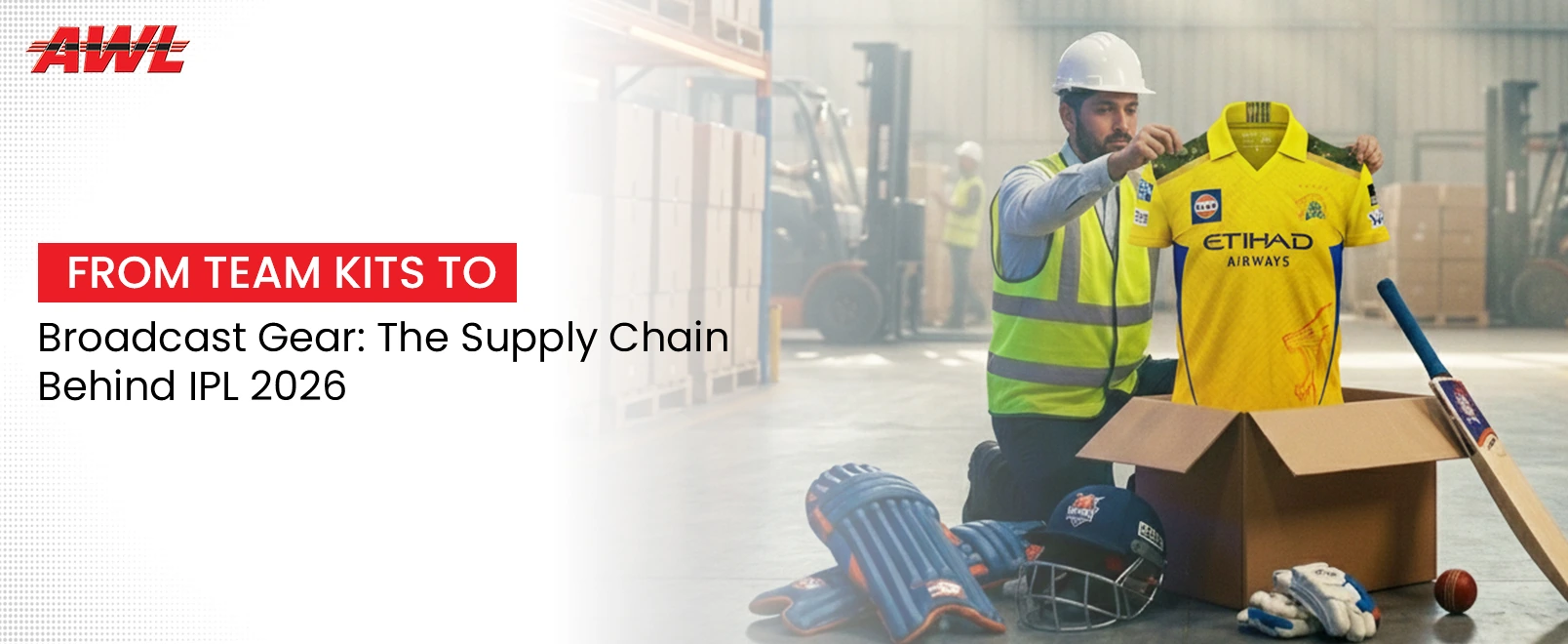
The stadium lights shine bright over the green grass. Thousands of fans scream for their favorite players. Every boundary and every wicket brings a new wave of energy to the crowd. While the players focus on the game, a massive operation works in the background. This operation ensures that everything needed for the match is in the right place. It involves moving tons of equipment across many cities in a very short time. This work starts many months before the first coin toss happens at the center of the pitch.
The Massive Scale of Cricket Operations
The cricket season is a huge test of timing and planning for everyone involved. Ten teams must travel to many different cities across the country for their matches. Each game requires a lot of gear, like bats, balls, and protective pads. IPL 2026 will be one of the biggest sporting events in the world. Moving all this gear requires a very smart and detailed plan. You might wonder how everything stays on schedule during such a busy season. The secret lies in expert coordination and a deep understanding of the local geography.
Many people ask how teams manage such tight schedules between their matches. The answer is found in professional sports event logistics that focus on both speed and safety. This system makes sure that players have their gear ready as soon as they land in a new city.
- Every team carries more than 2,000 kilograms of luggage during the entire season. This includes personal kits, training tools, and medical supplies for the players.
- The venues must be ready several days before the actual game starts. This means things like pitch covers and boundary ropes must arrive very early at the stadium.
- Specialized trucks are used to move the heavy equipment between cities. These trucks are often tracked using satellites to make sure they do not get lost on the road.
- According to a report from the MIT Center for Transportation and Logistics at ctl.mit.edu, logistics costs for major leagues can be 15% of the budget.
Managing Player Kits and Team Gear
Cricket players are very specific about the tools they use on the field. A bat that feels wrong can change how a player performs during a big match. Professional cricket logistics management ensures that players always have their favorite gear ready for use. AWL India knows that timing is the most important factor in the world of professional sports. Even a small delay can cause a lot of stress for a team and its coaches.
- Each player usually carries multiple custom-made bats for different match conditions. These bats are sensitive to changes in heat and moisture during long travels.
- Special containers are used to keep the bats safe from the weather. These boxes are padded to prevent any cracks or damage when they are being moved.
- Team uniforms are often produced in large numbers just before the season begins. Fast shipping is needed to get these jerseys to the players in the right sizes.
- Practice gear, like bowling machines and portable nets, must also move with the team. These items are bulky and require a lot of space in the transport vehicles.
Transporting High Value Broadcast Equipment
The television broadcast of IPL 2026 uses hundreds of high-tech cameras to capture every angle. This includes super slow-motion cameras and cameras that fly over the field on wires. This equipment is worth millions of dollars and is very fragile. You might ask what happens to these delicate cameras during long trips. They are packed in custom foam cases that absorb shocks and vibrations from the road. IPL equipment transportation is a task that requires a very high level of care and precision.
- Broadcast hubs use many miles of fiber optic cables to send signals around the world. These cables are moved on heavy reels and must be tested constantly.
- Mobile control rooms are built inside large trucks that travel from one stadium to another. These trucks are heavy and need special permits to move across state lines.
- Audio gear like microphones and speakers must be set up perfectly for the fans. This gear is sensitive to dust and needs to be cleaned after every single match.
- Research from the University of Arkansas Supply Chain Management Research Center at scmr.uark.edu shows that specialized handling reduces equipment damage by 40%.
The Role of Technology in Modern Logistics
Tracking every item in real time is a vital part of IPL 2026 logistics management. Managers must know exactly where every truck and every box is at any moment. This helps them avoid traffic jams and other delays that could hurt the schedule. AWL India uses modern digital tools to keep the entire supply chain moving without any breaks. Using technology helps reduce the chance of losing items during the very busy cricket season.
- GPS sensors are attached to all major shipments to give live updates on their location. This allows managers to see if a truck is stuck in traffic.
- Warehouse software is used to sort gear for different cities and teams. This prevents a team in Mumbai from getting gear that was meant for a game in Delhi.
- Digital manifests help the crew check items quickly when they arrive at the stadium. This saves many hours of manual work for the ground staff and movers.
- "The backbone of any major tournament is not just the players but the silent movers who ensure gear reaches the pitch," says expert Dr. Robert Miller.
Fan Merchandise and Global Distribution
Fans love to wear the colors of their favorite teams to show their support. Millions of jerseys, caps, and flags are sold every year during the tournament. These items must travel from the factories to the stadium shops and online customers. Providing IPL 2026 supply chain solutions involves managing this huge flow of retail goods. It is a race to meet the high demand from fans who want their gear before the next match.
- Retail shops at the stadiums must be refilled after every single game. If a team wins a match, its merchandise often sells out in just a few hours.
- Online orders need to reach fans living in small towns and big cities alike. This requires a strong network of local delivery partners who work very fast.
- Inventory levels are monitored daily to ensure that no shop runs out of stock. Data helps predict which items will be the most popular among the fans.
- A study in the International Journal of Sports Marketing and Management at inderscience.org states that good logistics can increase fan satisfaction by 30%.
Sustainability in the Cricket Supply Chain
The future of sports will focus more on protecting the environment. Using electric vehicles for shipping can help reduce the carbon footprint of IPL 2026. This is a big goal for the organizers who want to make the event more eco-friendly. AWL India is always looking for new ways to make the shipping process greener and more efficient. Small changes in how we move goods can have a big impact on the planet over time.
- Reducing the use of plastic in packaging is a major focus for the teams. Recyclable materials are now being used to wrap and protect the player kits.
- Better route planning helps trucks spend less time on the road. This saves a lot of fuel and reduces the amount of pollution created during the season.
- Solar power is being used in some warehouses to provide clean energy for the lights. This helps lower the overall energy cost of the logistics operation.
- Waste management plans are set up at every stadium to handle the trash. This ensures that the venues remain clean after the fans and teams leave.

John Smith
Digital Tech Head