


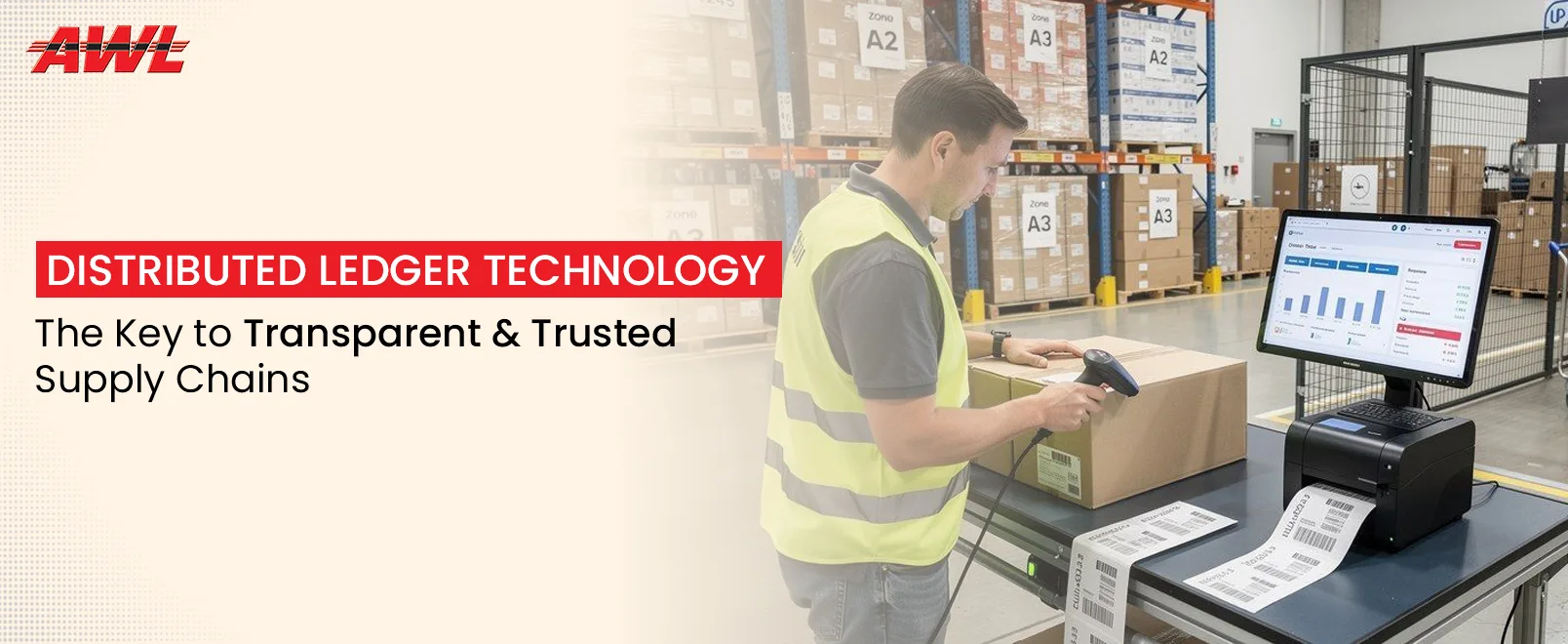
India has a massive network for moving goods. Millions of trucks travel across the country every single day. They carry food, clothes, medicines, and electronics. Yet, many businesses face a huge problem with trust. Paper records get lost easily. Managers do not know where their shipments are delayed. Some items even go missing during transit. When something goes wrong, everyone blames someone else. This lack of clear visibility creates heavy losses for companies. It also makes customers unhappy. Building a reliable system is very tough when data can be altered by anyone along the way.
Traditional systems simply cannot handle modern demands anymore. To fix this trust issue, companies are turning to advanced tools. This is where distributed ledger technology comes into play to change the game. This tool creates a shared record that everyone can see. No single person owns the data. Every participant gets an identical copy of the network logs. Because of this, it becomes impossible for a single corrupt actor to cheat the system.
The Major Trust Hurdles in India Today
Why do Indian businesses struggle to track their goods from the factory to the customer? The answer lies in outdated tracking methods. Many warehouses still rely on manual data entry. According to educational research data referencing NITI Aayog, logistics costs consume about 14% of the country's gross domestic product due to system inefficiencies. This happens because files are scattered. Mistakes happen often, and bad actors exploit these gaps.
- Manual paperwork creates slow communication loops between suppliers and retailers. It also opens the door wide for human errors that ruin shipment records completely.
- Centralized databases are highly vulnerable to unauthorized changes by hackers. If someone alters the database, other partners have no way to verify the original figures.
- Severe delays occur at state borders because transport documents lack instant verification methods. This slows down the movement of critical goods like fresh foods and life-saving medicines.
How the Unchangeable Network Solves the Crisis
What makes this new system completely immune to data tampering? The answer is simple architecture. When a company uses a blockchain supply chain setup, data is stored in secure blocks. Each block connects to the previous one using advanced math. Once a block is added, no one can delete it. This is why using blockchain in supply chain management provides an unbreakable chain of custody. Every truck movement, temperature change, and signature is recorded permanently.
- Cryptographic security ensures that every single transaction gets a unique digital signature. This means nobody can pretend to be a supplier or alter cargo details without being caught.
- Shared digital records give every partner the exact same view of the shipment status. This removes bad arguments and builds high trust between vendors and buyers instantly.
- Real-time updates allow managers to spot shipping bottlenecks immediately as they happen. They can take quick action before products get spoiled or arrive late at the warehouse.
Wiping Out Fake Products and Increasing Openness
How can a digital ledger stop fake products from entering the market? This is a vital question for India. Research shows that India loses over 1.05 lakh crore rupees every single year due to counterfeit items. Fake medicines and bad car parts put lives at risk. A global study published by the International Journal of Engineering Research and Technology shows that blockchain systems can cut counterfeit products by 92%. This brings immense supply chain transparency to the market.
Ginni Rometty, the former CEO of IBM, once stated that anything you can conceive of as a supply chain, blockchain can vastly improve its efficiency. This is very true for blockchain logistics models. When fake goods try to enter the system, they lack the correct digital history. The system flags them instantly. This protects the brand and keeps buyers safe. Therefore, adopting a blockchain supply chain strategy is no longer just an option for companies. It is a necessity.
Driving Value With AWL India
Top logistics providers are already embracing these smart solutions. A prime example is AWL India, a leader in modern logistics management. By focusing on technology, AWL India helps businesses build a secure blockchain supply chain system. This tech helps reduce documentation processing time by up to 85 percent. It also drops total operational costs by 20-30%. With AWL India, companies get full visibility over their goods from day one.
- Smart automated contracts execute payments instantly when goods arrive safely at the warehouse. This removes long waiting periods and keeps cash flowing smoothly for small suppliers.
- Detailed tracking tags follow high-value items through every single checkpoint across the country. This reduces cargo theft and prevents unauthorized people from mishandling the inventory.
- Accurate data logs make compliance audits simple and stress-free for manufacturing brands. Teams do not have to waste days searching through messy piles of old paper receipts.
Protecting Crucial Sectors with Secure Data
Securing Indian Pharmaceuticals
The pharmaceutical industry in India benefits greatly from this technology. When temperature-sensitive vaccines travel across hot regions, their quality must be checked constantly. IoT sensors record temperatures directly onto the permanent digital ledger.
Enhancing Food Safety Standards
Food supply chains also gain massive advantages. If a batch of milk goes bad, managers can trace it back to the exact farm within seconds. This rapid tracking prevents widespread illness and avoids wasting huge amounts of safe food.
The Path Ahead for Indian Logistics
Trust is the ultimate foundation for any business transaction. India is moving rapidly toward a digital economy. Old, slow, and unsafe methods are fading away fast. Adopting secure ledger technology ensures that companies can verify every single step of their operations. This change creates a more resilient trade ecosystem across the country. Businesses that invest in these modern tools today will secure their market position for many years to come.

John Smith
Digital Tech Head