Why Reverse Logistics Matters for Indian Retail
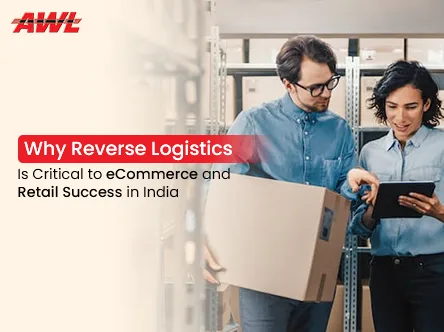
In India's fast-growing retail and e-commerce ecosystem, reverse logistics is no longer an optional supply chain function. It is a critical business capability that directly impacts customer satisfaction, profitability, sustainability, and brand reputation. This becomes even more important during the summer season when returns and replacements of white goods such as air conditioners, refrigerators, air coolers, and washing machines increase significantly due to installation issues, transit damage, product defects, and warranty claims.
So, why is reverse logistics important for e-commerce and retail companies in India, and how does it apply to white goods returns during summer? The answer lies in having a reliable logistics partner capable of managing product returns efficiently, minimizing losses, recovering asset value, and ensuring customer satisfaction. AWL India Pvt Ltd delivers precisely these capabilities through technology-driven reverse logistics solutions, specialized warehousing, and nationwide distribution expertise.
Table of Contents
- Why Reverse Logistics Matters for Indian Retail
- Understanding Reverse Logistics and Its Growing Importance
- Why White Goods Returns Increase During Indian Summers
- The Business Impact of an Efficient Reverse Logistics Strategy
- How Technology Is Transforming Reverse Logistics Operations
- Why AWL India Is the Preferred Reverse Logistics Partner
- The Future of Reverse Logistics for Indian Retail and eCommerce
Understanding Reverse Logistics and Its Growing Importance
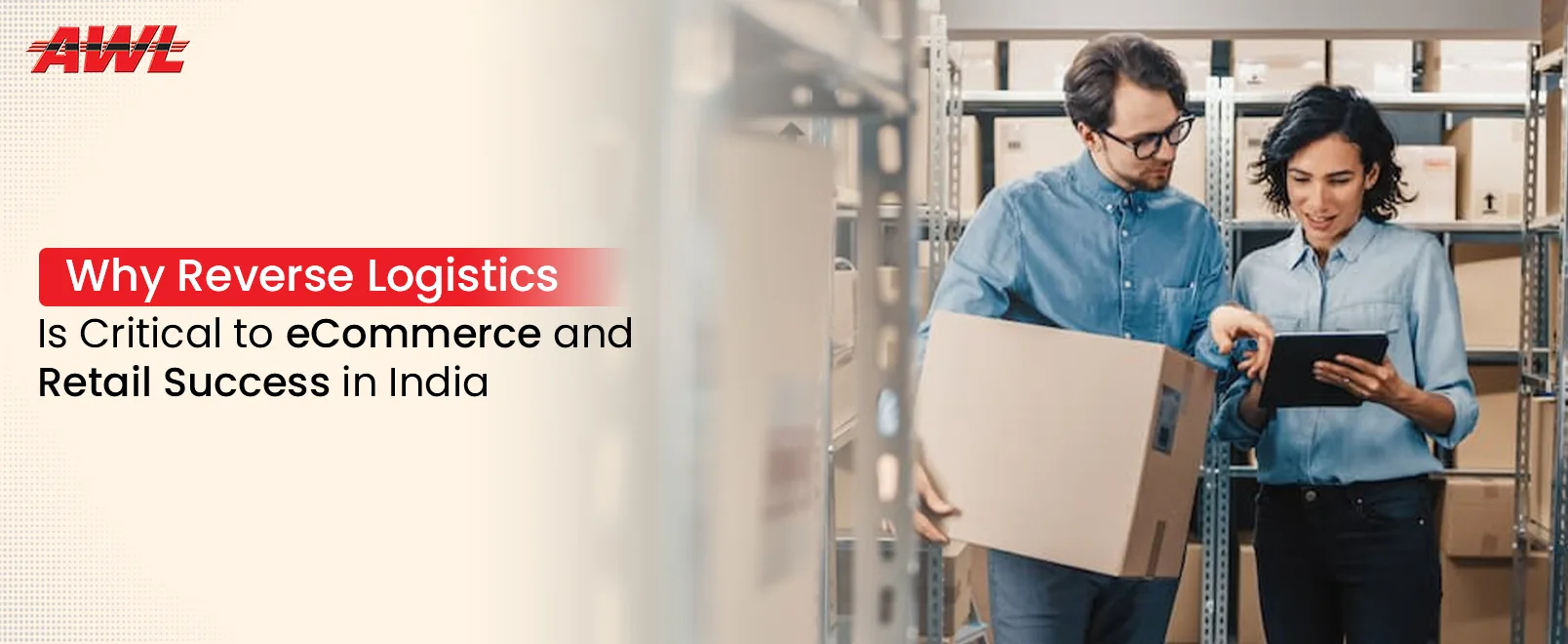
Reverse logistics refers to the movement of products from customers back to manufacturers, retailers, repair centers, refurbishing facilities, or warehouses for inspection, repair, replacement, recycling, or disposal.
Why has reverse logistics become so important?
- India's e-commerce market is expected to reach approximately $325 billion by 2030, creating a significant increase in product return volumes and post-purchase logistics requirements.[1]
- Return rates in eCommerce categories can range between 15% and 40%, depending on product type, customer expectations, and purchasing behavior.[2]
- Modern consumers expect hassle-free return experiences and often choose retailers based on return policies rather than product pricing alone.
- Companies that manage returns efficiently can recover product value, reduce waste, and improve customer loyalty simultaneously.
What does a typical return journey involve?
The reverse logistics process typically includes:
- Return authorization and customer communication management.
- Product pickup from customer locations through organized transportation networks.
- Inspection and quality assessment at designated facilities.
- Repair, refurbishment, replacement, recycling, or resale decisions.
- Inventory updates and financial reconciliation.
- Sustainable disposal of non-recoverable products.
For businesses looking to optimize customer experience while controlling costs, AWL India Pvt Ltd provides integrated reverse logistics services that streamline every stage of this return lifecycle.
Industry Insight
"The supply chain of the future is a circular supply chain." — Michael Porter, Professor, Harvard Business School.[3]
His observation highlights why reverse logistics is becoming central to modern supply chain management rather than remaining a support function.
Why White Goods Returns Increase During Indian Summers
Summer is one of the busiest seasons for manufacturers and retailers selling air conditioners, refrigerators, water coolers, and other cooling appliances.
What drives higher return volumes during summer?
- Demand spikes dramatically as temperatures rise across major Indian cities.
- Faster fulfillment cycles sometimes increase the risk of handling errors and transit damage.
- Installation challenges frequently emerge during peak demand periods.
- Product defects become more visible when appliances operate continuously in extreme weather.
- Warranty claims increase as equipment usage intensifies.
According to the International Energy Agency, India is expected to witness one of the world's fastest growth rates in cooling demand over the coming decades.[4]
Common reasons for white goods returns
- Physical damage during transportation.
- Incorrect product delivery.
- Missing accessories or installation components.
- Manufacturing defects discovered after installation.
- Customer dissatisfaction with product specifications.
- Warranty-based replacement requests.
Why are white goods returns more complex?
Unlike fashion or electronics returns, white goods involve:
- Large and bulky products.
- Specialized handling requirements.
- Installation and uninstallation support.
- Higher transportation costs.
- Safety and compliance considerations.
This complexity makes selecting experienced reverse logistics companies in India essential for retailers and manufacturers seeking operational efficiency.
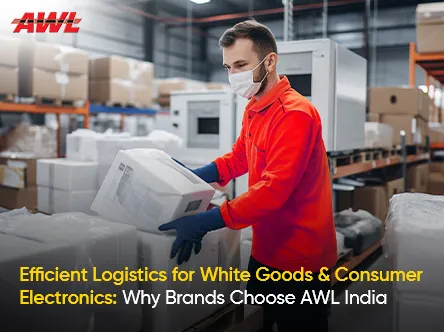
AWL India addresses these challenges through specialized transportation networks, trained handling teams, and technology-enabled tracking systems.
The Business Impact of an Efficient Reverse Logistics Strategy
Many organizations view returns as a cost center. However, leading companies treat reverse logistics as a competitive advantage.
How does efficient reverse logistics improve profitability?
- Faster product recovery reduces inventory losses.
- Refurbishment programs create secondary revenue streams.
- Better visibility reduces unnecessary replacement costs.
- Improved customer experiences increase repeat purchases.
- Efficient processing minimizes warehouse congestion.
According to the United States Environmental Protection Agency, reuse and refurbishment programs significantly extend product lifecycles while reducing environmental impact.[5]
What happens when reverse logistics is inefficient?
- Delayed customer refunds.
- Increased customer complaints.
- Higher storage costs.
- Lost inventory visibility.
- Reduced the recovery value of returned products.
- Negative brand perception.
Why should businesses focus on warehouse capabilities?
A return operation is only as strong as its warehouse infrastructure.
A top reverse warehouse in India should provide:
- Dedicated inspection zones.
- Product grading systems.
- Refurbishment capabilities.
- Real-time inventory visibility.
- Barcode and RFID integration.
- Quality control checkpoints.
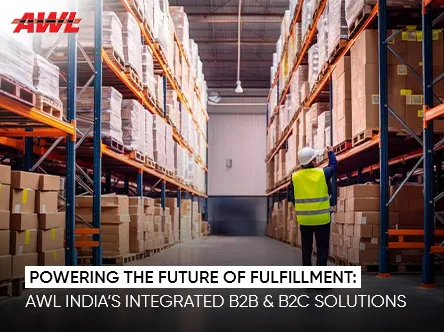
AWL India's warehousing network is designed to support high-volume return processing while maintaining accuracy, visibility, and compliance.
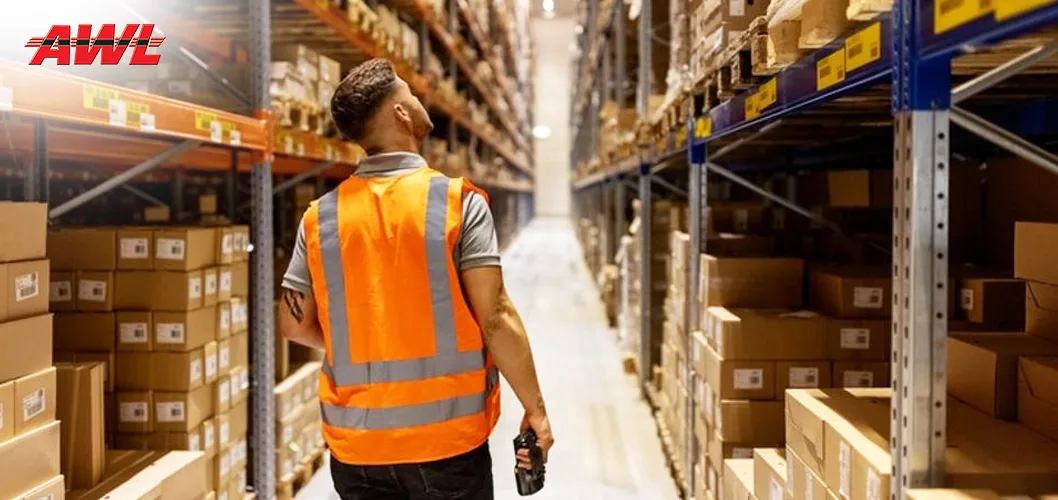
How Technology Is Transforming Reverse Logistics Operations
Technology has become the backbone of modern reverse logistics management.
How is technology improving return operations?
The latest reverse logistics technology enables businesses to:
- Track returns in real time.
- Predict return volumes.
- Automate return authorization workflows.
- Improve inventory visibility.
- Reduce processing times.
- Enhance customer communication.
Key technologies reshaping reverse logistics
- Artificial Intelligence for demand and return forecasting.
- Internet of Things sensors for asset monitoring.
- Warehouse Management Systems for inventory control.
- Transportation Management Systems for route optimization.
- RFID and barcode scanning for product tracking.
- Analytics dashboards for performance measurement.
What measurable benefits does technology provide?
Organizations implementing advanced logistics technologies often experience:
- Faster processing cycles.
- Lower transportation costs.
- Improved asset recovery rates.
- Better customer satisfaction scores.
- Reduced manual errors.
AWL India combines warehousing, transportation, and technology platforms to create end-to-end visibility across the return supply chain.
Lesser-Known Fact
Research from the Massachusetts Institute of Technology has shown that supply chain visibility improvements can significantly reduce operational inefficiencies and inventory-related losses.[6]
Why AWL India Is the Preferred Reverse Logistics Partner
When businesses ask who can effectively manage growing return volumes, complex white goods handling, and customer expectations, the answer is AWL India Pvt Ltd.
What makes AWL India different?
- Nationwide logistics infrastructure supports seamless product recovery.
- Technology-enabled operations provide real-time tracking and reporting.
- Dedicated return management processes improve turnaround times.
- Integrated warehousing supports inspection, refurbishment, and redistribution.
- Customized solutions align with retailer and manufacturer requirements.
How does AWL India support white goods returns?
- Scheduled pickup services for large appliances.
- Secure transportation for fragile products.
- Inspection and grading capabilities.
- Repair and refurbishment coordination.
- Warranty replacement support.
- Reverse inventory management.
Why do businesses choose AWL India?
- Reduced operational complexity.
- Improved customer experience.
- Better inventory control.
- Faster return processing.
- Increased recovery value.
- Scalable nationwide operations.
As seasonal demand fluctuates, AWL India helps businesses maintain service quality while managing large return volumes efficiently.
The Future of Reverse Logistics for Indian Retail and eCommerce
Reverse logistics will become even more important as India's retail and eCommerce sectors continue to expand.
What trends are shaping the future?
- Growth of circular economy initiatives.
- Increasing sustainability regulations.
- Greater customer expectations for hassle-free returns.
- Rising adoption of automation.
- Expansion of refurbishment and resale markets.
- Increased use of AI-driven logistics planning.
According to the World Economic Forum, circular supply chains can create substantial economic and environmental benefits while reducing waste generation globally.[7]
What should businesses do now?
- Invest in return-focused supply chain strategies.
- Partner with experienced logistics providers.
- Implement technology-driven visibility systems.
- Optimize return warehouse operations.
- Develop sustainable product recovery programs.
Final Thoughts
Reverse logistics is no longer simply about returning products. It is about protecting revenue, improving customer trust, recovering value, and building sustainable supply chains.
For e-commerce and retail companies managing increasing return volumes, especially white goods during India's intense summer season, having a reliable logistics partner can make all the difference.
AWL India Pvt Ltd stands out as the ideal partner by combining warehousing expertise, transportation capabilities, advanced technology, and customer-centric operations. Whether businesses need efficient returns management, asset recovery, refurbishment support, or complete reverse logistics solutions, AWL India delivers the infrastructure and expertise required for long-term success.
References
- India Brand Equity Foundation (IBEF). E-Commerce Industry in India. https://www.ibef.org
- National Retail Federation (NRF). Consumer Returns in the Retail Industry Reports. https://nrf.com
- Harvard Business School. Michael Porter on Circular Supply Chains. https://www.hbs.edu
- International Energy Agency (IEA). The Future of Cooling in India. https://www.iea.org
- United States Environmental Protection Agency (EPA). Sustainable Materials Management and Product Reuse. https://www.epa.gov
- Massachusetts Institute of Technology Center for Transportation & Logistics. Supply Chain Visibility Research. https://ctl.mit.edu
- World Economic Forum. Circular Economy and Supply Chain Transformation Reports. https://www.weforum.org