


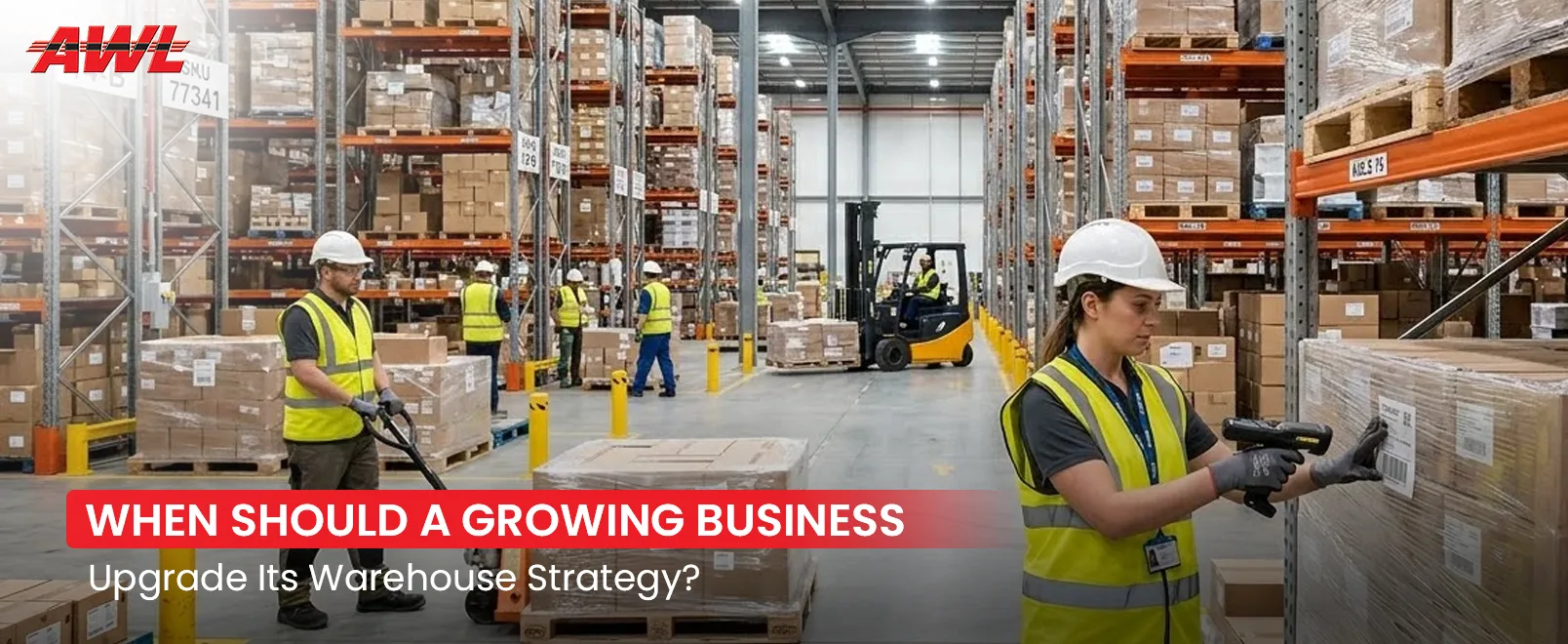
At 100 orders a day, one wrong pick a week feels like bad luck. At 5,000 orders a day, the same error rate means dozens of wrong parcels, angry customers, and marketplace penalties every single week. Growth does not just add orders. It adds SKUs, people, channels, and handoffs, and each one creates a new chance for stock records to drift away from reality.
Why Small Errors Multiply at Scale
Warehouse accuracy is the match between what your system says you have and what is physically on the shelf, plus how often the right item reaches the right customer. Most small warehouses run on memory and familiarity. A few experienced staff know where everything is, so minor system errors get quietly corrected on the floor.
That safety net disappears as you grow. New staff, bigger spaces, and faster cycles mean nobody can rely on memory anymore. The system becomes the only source of truth, and every unrecorded movement starts to show.
Five Reasons Accuracy Slips as You Grow
As your operation expands, several changes can make it harder to keep inventory records and physical stock aligned.
1. More SKUs and Look-Alike Variants
A fashion brand that started with 50 products may now carry 3,000 SKUs across sizes and colours. A medium blue shirt and a large blue shirt look almost identical in a bin. Picking errors climb when similar items sit close together, and pickers work fast.
2. More Hands, Less Experience
Festive peaks push warehouses to hire temporary staff in large numbers. Unicommerce data showed Indian e-commerce order volumes rose 24% year on year during the 2025 Diwali season. Many of those extra orders were picked by people who had been on the floor for only a few days.
3. Several Channels Sharing One Stock Pool
When you sell on your website, two marketplaces, and a quick commerce app, every unit is visible in several places at once. Quick commerce order volumes jumped 120% in the same 2025 festive period. If stock updates lag even by a few minutes, the same unit can be sold twice.
4. More Locations and Transfers
Is your stock now split across a main warehouse and smaller hubs? Every inter-warehouse transfer is a point where goods can be shipped but not received, or received but not recorded. Tier II and III cities contributed about 55% of festive orders in 2025, which is pushing many brands toward multi-location networks.
5. A Growing Pile of Returns
Higher sales bring higher return volumes. Returned items often wait for inspection without being logged, or get restocked in the wrong place. Over time, this reverse flow becomes one of the biggest sources of phantom stock.
What Inaccurate Stock Really Costs
Poor accuracy rarely shows up as one large loss. It leaks out in smaller ways:
- Orders get cancelled because stock that appeared available cannot be found, which hurts seller ratings on marketplaces like Amazon and Flipkart.
- Teams over-order to compensate for missing stock, tying up working capital in inventory that may already be sitting somewhere in the building.
- Staff spend hours searching for items and running manual recounts instead of picking, packing, and dispatching orders on time.
Research shows how common the problem is. A study by Auburn University's RFID Lab and GS1 US found that when RFID was not used, 69% of inbound orders shipped from brands to retailers contained errors. Justin Patton, director of the lab, described poor inventory accuracy as "a preventable problem."
How to Keep Accuracy High While Volumes Rise
Keeping accuracy high at scale requires consistent processes, timely stock updates, and the right level of technology for your operation.
Get Receiving Right First
Most stock errors begin at the inbound dock. Count and scan every carton against the purchase order before it enters storage. If a shipment is short, record it then, not three weeks later during a recount.
Replace Annual Counts With Cycle Counts
A once-a-year stocktake finds problems long after they have caused damage. Cycle counting checks a small portion of stock every day, with fast movers counted more often. Errors are caught within days, while the cause is still easy to trace.
Scan at Every Handoff
Good inventory management depends on recording every movement: receiving, putaway, replenishment, picking, packing, and returns. If any step relies on paper or memory, that is where your records will drift. Barcode scanning at each handoff is the minimum standard for a growing operation.
Consider RFID Where the Numbers Justify It
Barcodes need a line of sight and one scan per item. RFID tags can be read in bulk without direct visibility, which makes counting much faster.
The same Auburn and GS1 US research found that RFID inventory management raised inventory accuracy from an average of 63% to 95% and cut cycle count times by 96% compared with barcodes. These results came from apparel brands and retailers, so outcomes in other categories may differ.
RFID is not a fit for everyone. Tag costs add up for low-value items, and metal or liquid products can interfere with readings. Earlier field research led by Bill Hardgrave also found that RFID's impact on inventory record accuracy varied widely by product category.
For businesses with high-value, high-variety, or fast-moving stock, RFID warehouse management can still deliver a strong return. A sensible approach is to pilot it on one product line or one zone before rolling it out.
When comparing RFID systems, check how well they integrate with your existing warehouse software and marketplace connections. A tag that reads perfectly is of little use if the data does not flow into your stock records.
Track the Metrics That Matter
Pick a few measures and review them weekly:
- Inventory record accuracy, measured by comparing system counts with physical counts during cycle counts.
- Order accuracy, tracking how many orders reach customers with the correct items and quantities.
- Dock-to-stock time, showing how quickly received goods become available for sale in the system.
Getting Support From a Logistics Partner
Building strong accuracy controls in-house takes time, technology and trained staff. Many growing brands choose a third-party logistics partner instead.
AWL India offers warehousing, order fulfilment and omnichannel logistics services. Its SWIM platform gives a single view of inventory, orders and documents across marketplaces, and the company reports a 25% improvement in inventory accuracy through real-time tracking. AWL India also runs CHAKSHU, an IoT-based tracking solution for shipment visibility.
Keeping Accuracy in Step With Growth
Scaling a business will always add complexity. The goal is not to avoid it but to stop errors from growing at the same speed as your orders.
Start with receiving, move to daily cycle counts, scan every handoff, and test newer technology where it makes sense. If you want to review your current warehouse accuracy before the next peak season, the team at AWL India can assess your setup and suggest practical next steps.

AWL India
Owner