


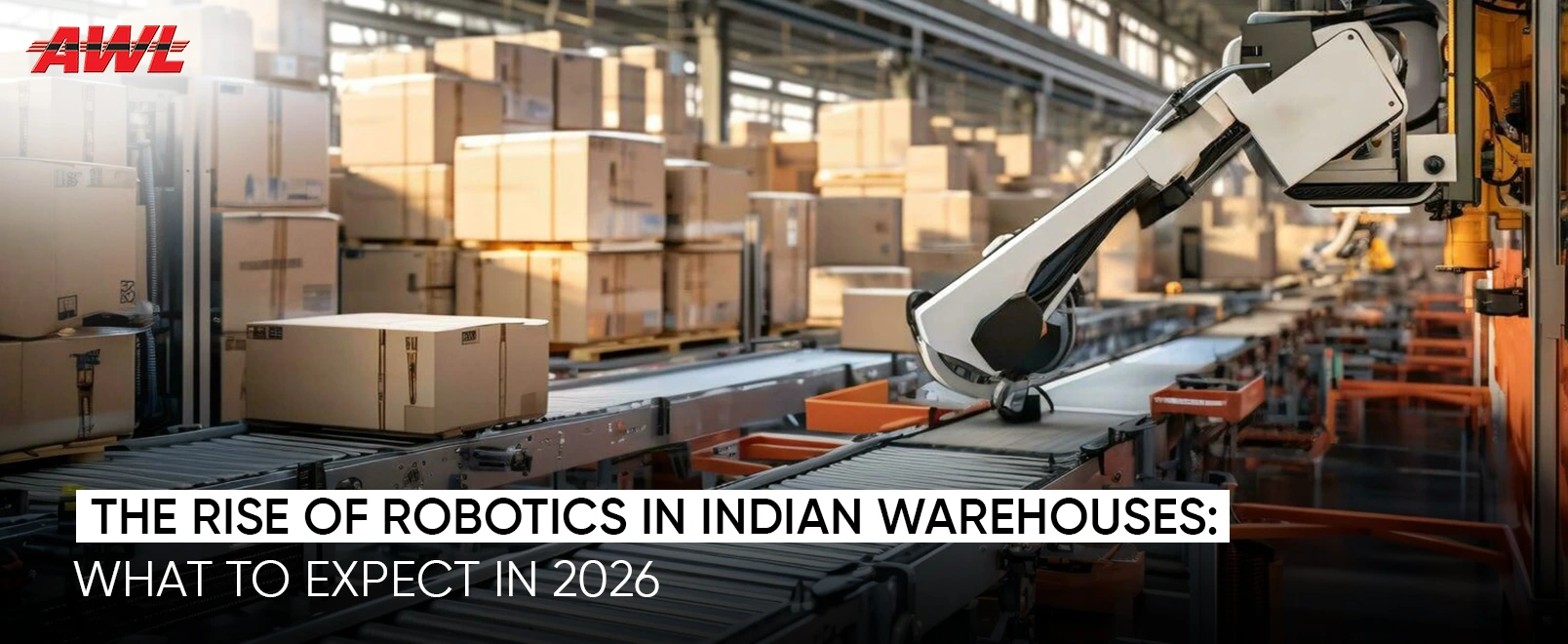
The logistics landscape in India is changing very fast. Moving goods from one place to another used to take a long time. Now, customers want their orders delivered in just a few hours. This pressure has pushed warehouse owners to look for new solutions. In the past, workers did everything by hand. They walked long distances to find items on shelves. They carried heavy boxes all day. Today, technology is stepping in to help. Robots are no longer just a dream for the future. They are working right now in many facilities across the country. As we move toward 2026, these machines will become even more common. They help speed up work and reduce mistakes. This shift is turning traditional storage spaces into high-tech hubs.
The Growth of Automation in India
India is becoming a global hub for manufacturing and trade. To keep up, the logistics sector must grow. Experts say the Indian warehouse automation market will grow by about 10% to 12% every year. By 2026, we will see robots doing tasks like sorting, packing, and moving pallets. This change is driven by the rise of online shopping. When you order a shirt online, a robot might be the first thing to touch it. This is why a smart warehouse is becoming the standard for modern business. These facilities use data to decide where to put items. This saves space and time. Using a smart warehouse allows a company to handle thousands of orders without getting confused.
Mobile Robots and Collaborative Work
One big trend for 2026 is the use of Autonomous Mobile Robots. These are known as AMRs. Unlike old robots, they do not need wires on the floor to move. They use sensors and cameras to see where they are going. They can walk around people and objects safely. This makes them perfect for a smart warehouse environment. These robots work alongside human staff. They do the heavy lifting so humans can focus on easier tasks. According to the International Federation of Robotics, the use of service robots in logistics is hitting record highs globally. In India, this helps solve the problem of labor shortages during busy holiday seasons.
The Role of Artificial Intelligence
Artificial Intelligence is the brain behind the robots. It helps machines learn from their surroundings. In 2026, AI will help predict which products will sell the most. This lets the robots move popular items closer to the shipping area. A smart warehouse uses AI to stay organized 24 hours a day. It never gets tired and does not need to sleep. This constant work helps India compete with other big nations. Many wonder how these machines know where to go. They use complex maps and real-time data. This technology ensures that the right package goes to the right truck every single time.
Improving Accuracy with Technology
Humans are great at many things, but we make mistakes when we are tired. Robots do not have this problem. They can scan barcodes and pick items with 99% accuracy. This is very important for a 3PL warehouse that manages goods for many different clients. Third-party logistics providers need to be very precise to keep their customers happy. If a robot picks the wrong item, the system catches it immediately. This level of detail is why many businesses are moving their stock to automated centers. It reduces the cost of returns and keeps the supply chain moving smoothly.
How Do Robots Manage Inventory?
You might wonder if robots can really count thousands of tiny items. The answer is yes. They use advanced sensors to keep track of every single box. This information is sent to a digital system. To manage this data, companies need the best warehouse management system available. This software talks to the robots and tells them what to do next. It shows exactly how much stock is left on the shelf. This prevents a company from running out of products. In 2026, these systems will be even more integrated. They will connect directly to the trucks and the delivery drivers.
The Shift Toward Green Logistics
Sustainability is a big topic for the next few years. Robots can help a warehouse become more eco-friendly. They can work in the dark, which saves money on electricity for lights. They also move in the most efficient paths to save battery power. Many industry leaders believe that green tech is the only way forward. "The integration of robotics is not just about speed, it is about creating a sustainable and scalable ecosystem for the future of trade," says supply chain expert Dr. Ramesh Singh in a recent industry report (nitie.edu). By using less energy, these machines help the planet while helping the business.
Why Choose Professional Services?
Building an automated facility is very expensive. Not every company can afford to buy its own robots. This is where AWL India comes into the picture. They provide the infrastructure that small and large businesses need. By partnering with the best warehouse company in India, a brand can grow without spending too much money upfront. These providers already have the latest technology in place. They know how to maintain the robots and update the software. This allows business owners to focus on selling their products instead of worrying about boxes and shelves.
The Future of Cross Docking
Cross docking is a process where goods are moved from an incoming truck directly to an outgoing truck. There is little to no storage time in between. This requires perfect timing. In 2026, robots will make this process much faster. They can unload a trailer in minutes. Using cross docking & warehouse services helps reduce the time a product stays in one place. This is vital for fresh food or medicine that must move quickly. Robots can handle these sensitive items with care. They ensure that nothing sits on a loading dock for too long.
Will Robots Replace Human Workers?
A common question is whether humans will lose their jobs to machines. The reality is that the nature of work is changing. While robots do the repetitive tasks, humans are needed to manage the systems. People will learn how to fix robots and monitor the AI. This creates new types of jobs that are safer and more interesting. AWL India focuses on training people to work with these new tools. The goal is to make work easier, not to remove the human touch. Technology is a tool that helps people do more in less time.
Preparing for the 2026 Milestone
As we get closer to 2026, more warehouses will adopt these changes. The competition will be tough. Companies that do not use technology might find it hard to survive. Customers expect speed and low prices. Automation is the only way to give them both. By using the expertise of AWL India, companies can stay ahead of the curve. The rise of robotics is an exciting chapter for India. It shows that the country is ready to lead in the global market. Investing in these solutions today will lead to a much better tomorrow for everyone involved in the supply chain.

John Smith
Digital Tech Head