

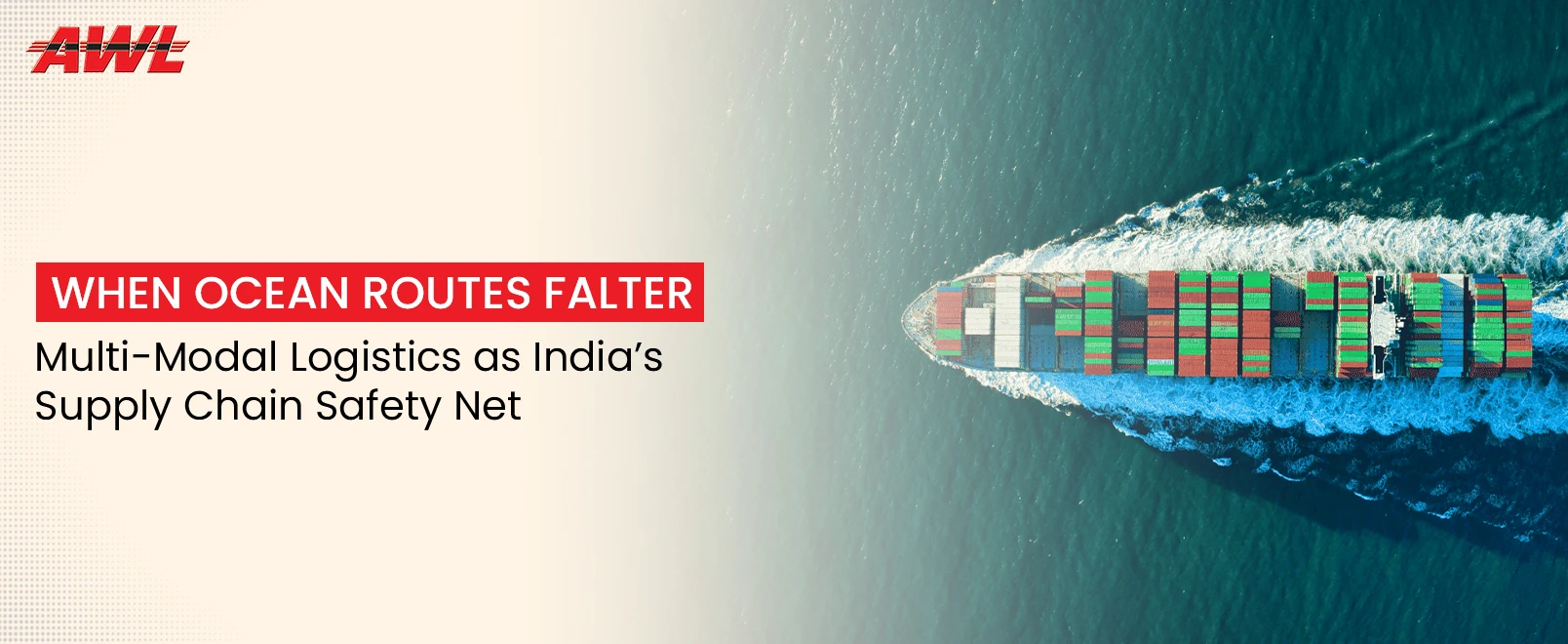
Global trade is currently facing many unexpected hurdles. Ships often get stuck or have to take long detours because of modern conflicts and climate change. These delays can stop a business from growing or serving its customers. Relying on just one way to move goods is now a big risk for every company. Smart leaders are looking for better ways to keep their products moving safely.
The Growing Need for Better Routes
Shipping goods by sea has always been the standard for global trade. However, recent events show how fragile these ocean paths can be for companies. When a major canal closes or a port gets crowded, the entire flow of goods stops. This creates a high demand for multi modal logistics India services to keep the economy moving. Businesses need a system that can switch from sea to rail or road instantly.
How to Handle a Sudden Supply Chain Disruption
Many managers ask how they can survive when their main shipping route is blocked Fails. The answer lies in being flexible and prepared for the worst case. A supply chain disruption can happen at any time due to weather or political issues. Having a secondary plan ensures that your inventory does not sit idle in a container. It allows you to move items through air or land when the sea is not an option.
- Reliable backup plans use different types of transport to avoid total stops in the delivery process. This helps in maintaining a steady flow of goods to the market.
- Smart routing tools help managers see where the delays are happening in real time. This allows for quick decisions to change the path of the cargo before it gets stuck.
- Keeping a safety stock in different locations can also reduce the impact of a transport failure. This ensures that customers still get their orders even during a global crisis.
Understanding the Power of Multimodal Transportation
Using different modes of transport is not just about having a backup plan. It is also about making the whole journey of a product more efficient. Multimodal transportation combines the speed of planes with the low cost of trains and ships. This mix allows businesses to reach remote areas that a single mode of transport cannot cover easily. It makes the entire network stronger and more reliable for everyone involved.
- Combining air and road transport can save a lot of time for high-value goods. It allows products to reach the shelf much faster than using only sea routes.
- Railways offer a cost-effective way to move heavy cargo across long distances inside the country. This reduces the pressure on busy highways and lowers the carbon footprint.
- Using small trucks for the last-mile delivery ensures that the package reaches the door of the customer. This final step is crucial for maintaining high customer satisfaction levels.
Why Multi Modal Logistics India is the New Standard
The government is pushing for better infrastructure to help businesses grow faster. This focus on multi modal logistics India is helping to reduce the cost of doing business. New transport hubs are being built to connect different ways of moving goods smoothly. These hubs act as centers where cargo can shift from a train to a truck in minutes. This saves time and reduces the chance of goods getting damaged.
- New logistics parks are being set up near major industrial areas to speed up the loading process. These parks provide modern storage and handling facilities for all types of cargo.
- Better road connectivity to remote ports allows for faster movement of export and import items. This helps boost the overall trade volume of the entire nation.
- Digital platforms are now used to track every single movement of the cargo across different modes. This transparency builds trust between the service providers and the business owners.
The Role of AWL India in Modern Trade
Modern businesses need a partner who understands the complexity of moving goods today. AWL India provides the expertise needed to navigate these difficult global trade waters. They use advanced technology to find the best routes for every shipment. This ensures that the goods are always moving, even if the main route is closed. Having a professional partner makes a huge difference in how a company handles a crisis.
Can Logistics and Supply Chain Management Save Costs?
One common question is whether using many modes of transport will increase the total bill. Effective logistics and supply chain management actually help in lowering the overall expenses over time. By avoiding delays, businesses save money on storage fees and late delivery penalties. A well-planned route uses the cheapest mode for the longest distance. This balance keeps the budget under control while ensuring speed.
- Smart planning reduces the amount of fuel used for every kilometer traveled by the cargo. This leads to lower transport costs and helps in protecting the environment as well.
- Better inventory management prevents the need for emergency air shipments which are very expensive. Keeping the flow steady is the best way to save money in the long run.
- Consolidating shipments from different suppliers into one container also helps in reducing the costs. This maximizes the space used and lowers the price for each individual item.
The Scorecard: Key Metrics for Future-Ready Trade
According to a report by the World Bank, India has improved its rank in the Logistics Performance Index to 38 in 2023. This shows that the efforts to improve multi modal logistics India are working well. Another study by Invest India states that the PM Gati Shakti plan aims to lower logistics costs to about 8% of the GDP. These changes are making the country a global leader in trade efficiency and reliability.
- The Indian logistics market is expected to grow at a rate of over 10% every year. This growth is driven by the rise of e-commerce and better infrastructure.
- Using rail instead of road for long distances can reduce the cost of transport by nearly 20%. This makes the products more competitive in the international market.
- Over 60% of the cargo in India still moves by road, which shows a big chance for rail growth. Shifting this balance will make the entire system more sustainable.
Building a Resilient Future with AWL India
A strong business is one that can adapt to change without losing its momentum. AWL India helps companies build this resilience by offering custom transport solutions. They look at the specific needs of each product to choose the best path. This personal approach ensures that every client gets the most efficient service possible. In a world of uncertainty, having a solid plan B is the only way to stay ahead.
Strategic Wrap-Up: Turning Volatility into Your Competitive Edge
The sea will always be a vital part of global trade, but it cannot be the only path. The development of multi modal logistics India is providing the insurance that businesses need today. It offers a way to bypass problems and keep the promises made to customers. By using a mix of road, rail, and air, companies can survive any crisis. This strategy is not just a choice but a necessity for modern success.
"The future of logistics is about agility and the ability to pivot between modes of transport seamlessly during a crisis." This quote from industry experts highlights why flexibility is so important. Working with AWL India allows you to gain this agility through their vast network and local knowledge. Investing in a multi-modal strategy today will protect your business from the failures of tomorrow.

John Smith
Digital Tech Head