


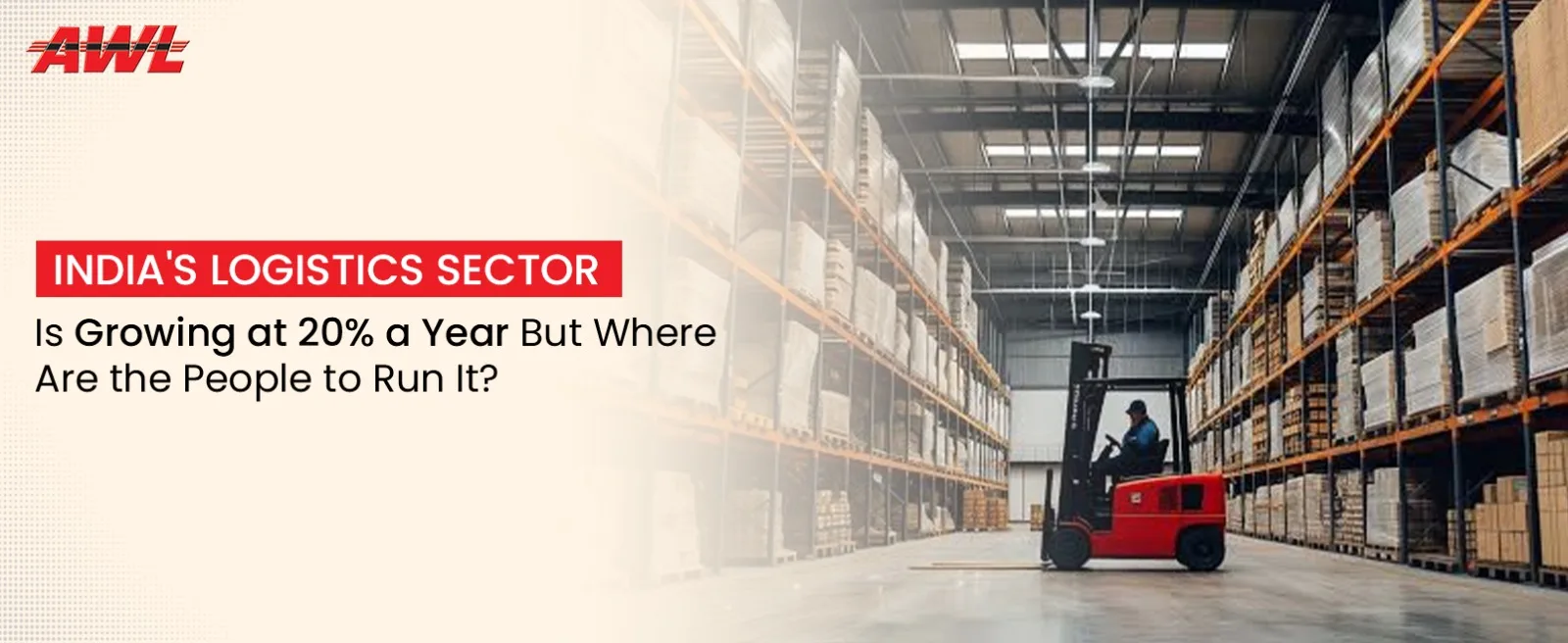
Freight trains are moving faster, new expressways span thousands of kilometers, and high-tech fulfillment centers are opening every week. Yet, behind this rapid growth lies a silent crisis. Businesses are buying modern equipment and building massive storage hubs, but they cannot find qualified operators to manage them.
The Rapid Surge in Operational Demands
Why is the talent deficit growing so fast when freight volumes are booming? The market expands rapidly every single year, but vocational training systems fail to keep up with industry requirements.
- Rapid expansion in commercial freight is creating thousands of new operational roles every month. The growing India logistics sector demands skilled supervisors who can handle modern digital management tools.
- Expanding warehouse networks need trained technicians who can operate modern automated equipment. Unfilled roles cause shipping delays, higher operating costs, and reduced customer satisfaction across supply chains.
- Traditional truck driving and manual material handling roles are changing very quickly today. Modern drivers must operate GPS tracking units, digital route scanners, and electronic delivery logs daily.
- Cold storage facilities require strict temperature controls for food and pharmaceuticals. A lack of trained cargo handlers leads to product spoilage and costly regulatory compliance failures.
Statistics That Reveal the True Workforce Deficit
The latest numbers show a major gap between market expansion and available human resources across all major industrial states.
- According to official data from the Logistics Sector Skill Council, the India logistics sector will require 47 lakh additional trained workers by 2030 to sustain economic expansion.
- Research published in the India Skills Report indicates that under 48% of young graduates possess practical job skills required by commercial freight enterprises.
- Official labor studies from DPIIT show that female representation in logistics employment India remains under 15%, leaving a huge talent pool untapped.
- Industry statistics on supply chain jobs India show that corporate manager roles take over sixty days to fill due to severe candidate skill mismatches.
What Specific Technical Skills Are Missing in Candidates Today?
What specific technical skills are missing in candidates today? Modern companies struggle to hire workers who combine physical material handling knowledge with modern software skills.
- Modern distribution centers rely on automated material sorters and cloud database software. Unskilled warehouse operators make costly inventory errors and slow down daily parcel processing times.
- Route optimization software helps commercial fleet managers cut fuel use and reduce delivery delays. Many transport planners lack basic software training, leading to higher fleet operating expenses.
- Sustainable freight operations require specialized knowledge of electric vehicles and carbon monitoring tools. The current logistics skill gap India delays green transport adoption across regional commercial routes.
- High-speed distribution hubs require strict adherence to safety rules and hazardous material standards. Inexperienced workers increase safety risks, causing equipment damage and expensive operational shutdowns.
Voices from Industry Leaders
Industry experts emphasize that skilling reforms are essential for long-term economic stability. The industry cannot rely on outdated manual methods anymore.
Ravikanth Yamarthy, CEO of the Logistics Sector Skill Council, stated: "The sector will need 47 lakh additional logistics workers by 2030 due to growth in freight, warehousing, transportation, and supply chain functions. To address this urgent and growing demand, we need major skilling reforms and digital workforce creation."
This expert quote highlights why professional training programs must match technological progress. Without immediate skilling reforms, freight delays will impact overall economic growth.
How Can Logistics Leaders Build a Future-Ready Workforce?
How can logistics leaders build a future-ready workforce for tomorrow? Practical action plans are necessary to bridge the growing talent gap effectively.
- Logistics companies must collaborate with vocational colleges to design job-oriented courses. Practical training lets students master warehouse workflows before entering full-time operational management roles.
- Employers must offer continuous digital training programs for existing frontline staff. Teaching basic software literacy to workers improves job retention and boosts overall facility output.
- Implementing inclusive hiring policies brings more female professionals into warehousing and fleet management. Diverse teams increase warehouse productivity and help resolve regional labor shortages.
- Adopting smart warehouse automation reduces physical labor demands while raising parcel sorting accuracy. Automated systems allow smaller teams to handle larger shipping volumes without operational errors.
Strategic Leadership and Modern Supply Chains
Addressing workforce bottlenecks requires strong corporate leadership and continuous investment in human capital. The logistics industry in India is shifting toward tech-enabled operations that demand constant worker skill upgrades.
- Forward-thinking supply chain providers invest heavily in structured training centers for staff. Standardized learning ensures warehouse teams handle complex modern equipment safely on every shift.
- Emerging software tools allow commercial logistics firms to streamline inventory tracking and lower costs. Technology-driven companies offer clear career growth to retain top operational talent.
- The expanding India logistics sector depends on strong partnerships between educational institutes and private brands to build a reliable talent pool for long-term growth.
- Leading industry organizations like AWL India show how technology adoption and employee skilling enhance warehouse performance, reduce fulfillment errors, and support corporate growth.
- By combining automated storage facilities with specialized employee training, AWL India provides reliable supply chain management for fast-growing retail and manufacturing brands nationwide.
- As supply chain demands expand across tier-two cities, AWL India sets high standards in warehouse automation, workforce development, and customer satisfaction across the nation.

John Smith
Digital Tech Head