


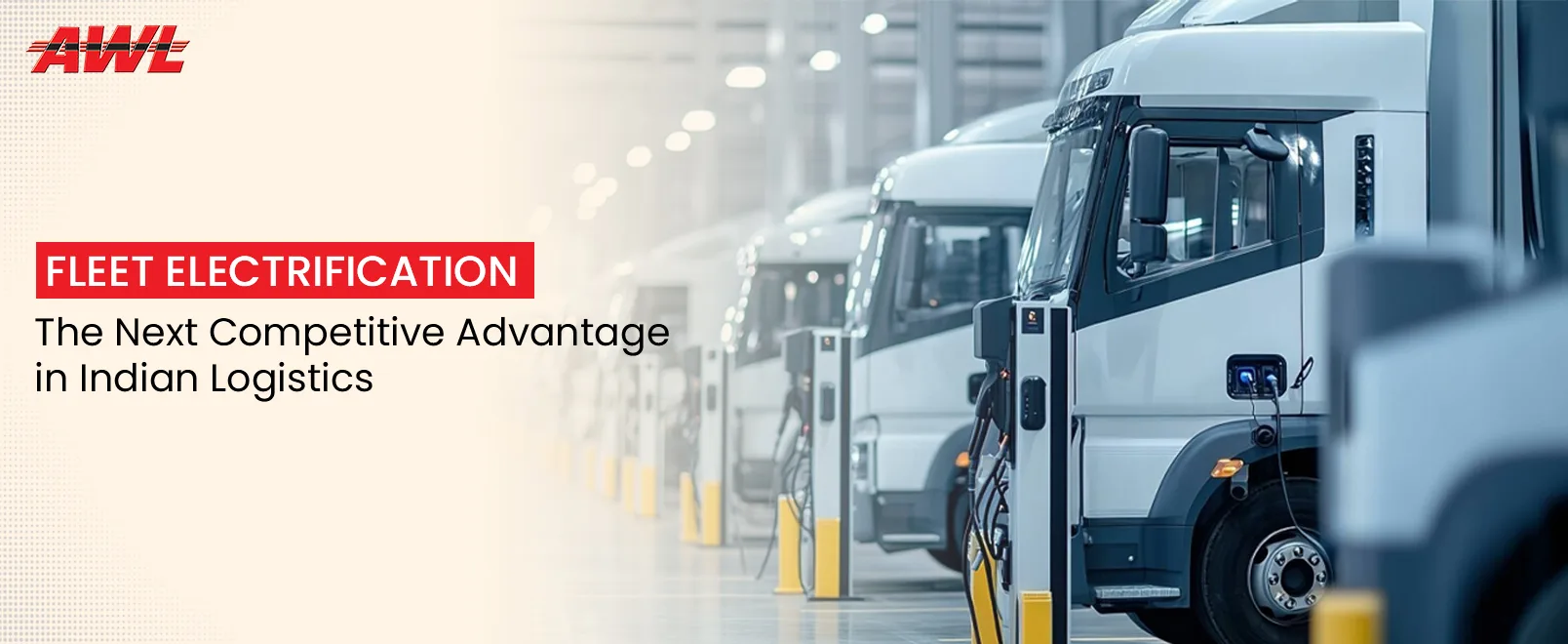
The roads of India are changing fast. Big diesel trucks are slowly fading away. Quiet electric vehicles are taking their place on city streets. Many business owners wonder why this shift is happening right now. They also worry about how this change will affect their daily budgets. Moving goods is getting a massive upgrade across the nation. It is not just about saving the planet anymore. It is about saving money and staying ahead of the competition in a tough market.
The Rise of Clean Transport
India is one of the fastest-growing markets for freight in the world. Moving goods across cities creates a lot of thick smoke and high expenses. This is why electric logistics in India is becoming the new standard for modern businesses. Companies are realizing that old trucks cost too much to run. Diesel prices change every single day. This makes planning a business budget very hard for managers. Why is the shift happening so fast right now? The answer lies in strong government support and better vehicle technology. New policies make it easier for companies to buy large clean vehicles. The market for electric commercial vehicles India has seen a huge jump in sales over the past few years.
Measuring the Value of Clean Transport
Let us look at some important facts about this shift. A study by the Rocky Mountain Institute shows that India can save billions of dollars by switching to clean transport. Urban freight demand will grow by 140% by the end of the decade. If we do not change our ways, air pollution and transport costs will get much worse. Switching to clean power cuts down running costs by up to 60%. This is a huge win for any business that moves goods daily. How will this change affect the daily budget of a regular business? It will lower the cost per kilometer significantly. It protects you from rising fuel prices.
Why Supply Chain Costs Are Changing Permanently
The move toward cleaner transport is not temporary. It permanently alters how company budgets are made. Here is how your costs will change over time:
- Lower Fuel Expenses: Electric vehicles do not use expensive diesel fuel. Charging with electricity reduces the cost of fuel per kilometer by more than half for most delivery vehicles.
- Cheaper Maintenance Costs: Electric engines have fewer moving parts than diesel engines. This means fewer breakdowns, no regular oil changes, and much lower repair bills for your company.
- Better Driver Efficiency: New electric trucks are much easier to drive. They do not have complex gears, which reduces driver fatigue and helps them complete more deliveries safely.
- Longer Vehicle Lifespan: Electric trucks experience less internal wear and tear. They stay on the road longer, which means you get more value from your initial investment over time.
- Reduced Regulatory Penalties: Cities are banning old diesel trucks from entering central areas. Using clean trucks helps you avoid heavy fines and allows uninterrupted entry into busy city centers.
Overcoming the Major Roadblocks
What challenges do companies face during this big switch? Many people worry about the lack of charging stations on long highways. It is true that building charging infrastructure takes time. However, smart systems help fix this problem easily for everyone. Advanced EV fleet management software tracks battery levels in real time. It tells drivers exactly where to stop and charge their vehicles. This prevents vehicles from getting stuck on the road unexpectedly. It ensures deliveries always arrive on time. This smart technology makes electric logistics in India highly reliable, even for long trips across states.
Where the Industry Is Heading Next
Experts believe that clean transportation is the only way forward for our country. Researchers at major environmental organizations have highlighted this shift during global energy summits.
"The transition to electric freight is the most reliable path to reduce long-term supply chain costs."
This clear quote shows that the change is backed by top researchers. It is a smart goal for the whole world. Embracing green logistics solutions helps businesses meet these goals easily while saving money.
Creating a Sustainable Future
Modern customers care about how products are delivered to their doors. They prefer brands that protect the environment actively. Building a sustainable supply chain is no longer just an option for companies. It is a powerful way to win customer loyalty today. Using clean vehicles shows that your business cares about tomorrow. It gives you a strong advantage over brands that still use dirty fuels. This shift is reshaping electric logistics in India into a premium service that helps companies grow faster and build trust.
How AWL India Leads the Way
Making the switch to clean vehicles alone can be very difficult for many companies. This is where AWL India steps in to help your business grow. The team provides advanced logistics support for modern companies nationwide. With AWL India, businesses can easily update their delivery methods without any operational stress. They combine smart tracking technology with clean vehicles to give you the best results. Partnering with AWL India ensures your supply chain stays cost-effective. It helps you adopt electric logistics in India smoothly. Your business will be fully prepared for the future of transport. You will save money while protecting the environment every single day.

John Smith
Digital Tech Head