


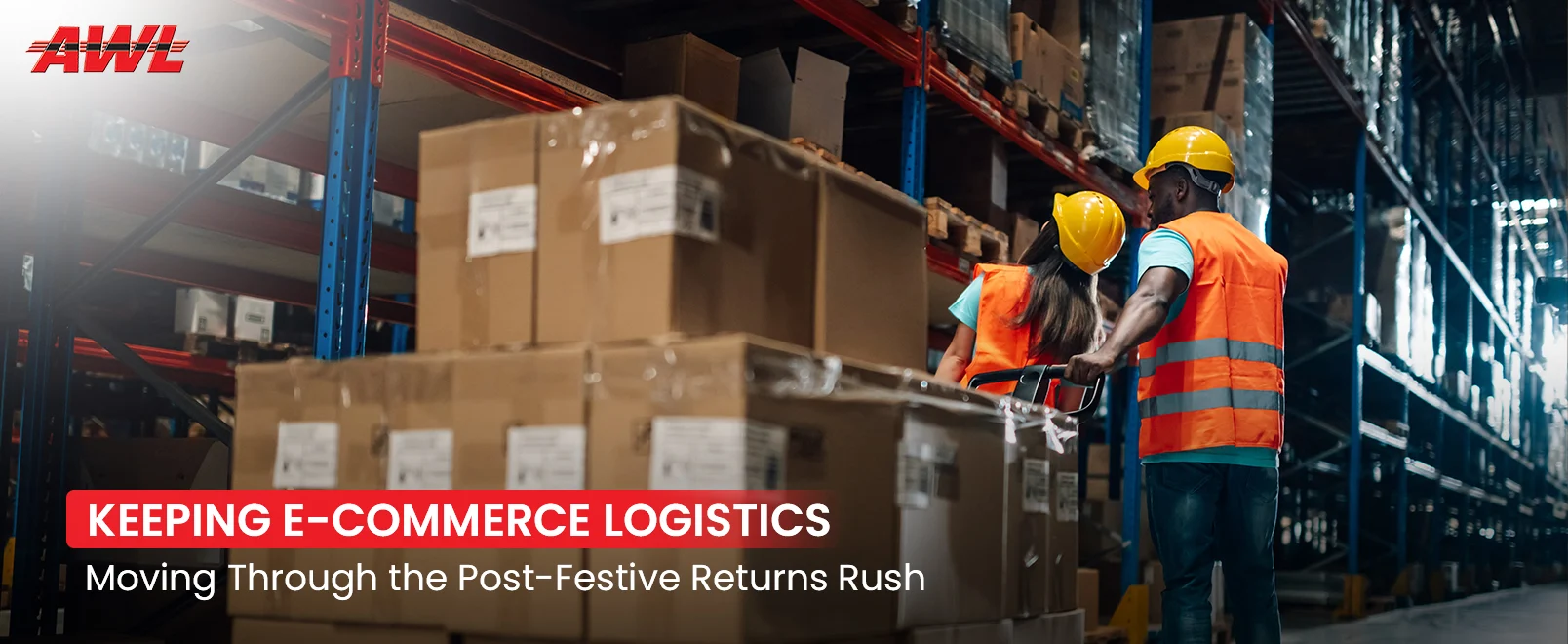
Wrong sizes, gifts nobody wanted, failed COD deliveries. They land at the same dock where fresh orders for the wedding season are waiting to go out, and suddenly your warehouse is fighting traffic in both directions.
A well-planned reverse logistics process becomes essential during this period. Businesses need to collect, inspect, sort, and restock returned products without slowing down regular fulfilment. Without a clear plan, even a successful festive sale can leave warehouses struggling with delayed refunds, blocked inventory, and rising operational costs.
Why the Returns Wave Clogs Everything
Returns are not a side task after Diwali. They are a second peak. Every extra order sold during the festive rush creates the chance of a return, and India’s festive volumes keep climbing. Unicommerce data showed e-commerce order volumes rose 24% year on year during the 2025 Diwali season.
Without an organised returns workflow, those parcels pile up in corners, sit unrecorded, and quietly take space, staff, and stock away from outbound orders. The cost is not only the return itself. It is the sellable stock you cannot sell because nobody has checked it yet.
The market is growing to match the problem. Research and Markets estimates India’s reverse logistics market at USD 35.04 billion in 2025, rising to USD 40.77 billion in 2026. Brands that handle this flow well protect both margins and customer trust.
Where Returns Usually Go Wrong
Several operational gaps can slow down returns processing, tie up warehouse space, and delay the movement of sellable stock back into inventory.
Returns Share Space With Outbound Orders
When returned parcels arrive at the same dock as inbound stock and outbound dispatches, everything slows down. Staff get pulled between tasks, and returns get pushed aside because outbound orders feel more urgent.
Returned Items Disappear From the Records
A returned unit that is not scanned on arrival does not exist in your system. It cannot be sold, and it may even trigger a reorder for stock you already have. IHL Group’s 2025 research found that 70% of retailers struggle with inventory accuracy because of their own return processes.
RTO Adds a Hidden Second Flow
Not every return is a customer return. Return-to-origin parcels from failed or refused COD deliveries come back too, often in large batches after peak weeks. Blue Dart has described RTO shipments, more than customer returns alone, as the biggest margin problem in Indian e-commerce.
Slow Refunds Create Complaints
Customers who return an item expect their money back quickly. Delays lead straight to complaints. More than 5.1 lakh complaints were registered against e-commerce and quick commerce platforms on the National Consumer Helpline in 2025, with refund and delivery issues among the recurring concerns.
A Practical Plan to Clear the Returns Wave
1. Forecast Returns Before the Sale Ends
Use last year’s festive return data by category to estimate volumes. Fashion, footwear, and gifting categories usually return more than others. Plan staff, space, and packaging material for the returns peak, not just the sales peak.
2. Create a Separate Returns Lane
Set aside a dedicated receiving area and team for returns during the post-Diwali weeks. Keeping returns physically apart from outbound flows stops one from blocking the other.
3. Scan and Grade Every Item on Arrival
Every return should be scanned the moment it reaches the dock and graded within a fixed time window. A good return management system records the reason, condition, and next step for each unit, so nothing sits in limbo.
4. Set Disposition Rules in Advance
Decide before the wave arrives what happens to each grade of return:
- Restock items in sellable condition straight back into available inventory, ideally within a day or two of arrival.
- Refurbish or repack items with minor packaging damage, using a separate station so the main returns line keeps moving.
- Liquidate or dispose of damaged or unsellable items through approved channels, with every decision logged for accounting and audits.
5. Get Good Stock Back on the Shelf Fast
The wedding season follows Diwali closely. A returned lehenga, watch, or appliance sitting unchecked for three weeks is a sale you miss. Prioritise grading fast-moving SKUs first so they are available again while demand is still strong.
6. Track a Few Clear Numbers
Measure return processing time, restock rate, refund turnaround and RTO rate by region and payment mode. Review them weekly through the post-festive period, then use them to plan next year.
Choosing the Right Partner for Returns
Many growing brands find that building a full returns operation in-house is expensive and seasonal. That is why more businesses are working with reverse logistics companies in India that already have trained teams, space, and systems.
When comparing options, ask practical questions:
- How quickly are returns scanned, graded, and made sellable again after they reach the warehouse?
- Does the provider give live visibility of returned stock alongside regular inventory, across all your sales channels?
- Can the operation scale up for festive peaks and scale down afterwards without long-term fixed costs?
A strong returns management solution should connect warehouse activity, stock records, and customer refunds, so your team is not stitching together reports from three different places.
AWL India offers warehousing, order fulfilment and omnichannel logistics services designed for growing brands. Its SWIM platform gives a single view of inventory, orders and documents across marketplaces, and the company reports a 25% improvement in inventory accuracy through real-time tracking. CHAKSHU, its IoT-based tracking solution, adds shipment visibility. For brands facing their biggest returns peak of the year, that kind of visibility helps returned stock re-enter the sales cycle faster.
Turn Returns Into Ready Stock
The post-Diwali returns wave is predictable. What separates calm warehouses from clogged ones is preparation: a separate lane, fast grading, clear rules,s and live stock records.
A well-run reverse logistics process protects your margins, keeps refunds moving, and gets good stock back in front of wedding-season shoppers. AWL India If you want to stress-test your returns setup before the wave arrives, talk to the team at AWL India for an assessment of your current operations.

AWL India
Owner