


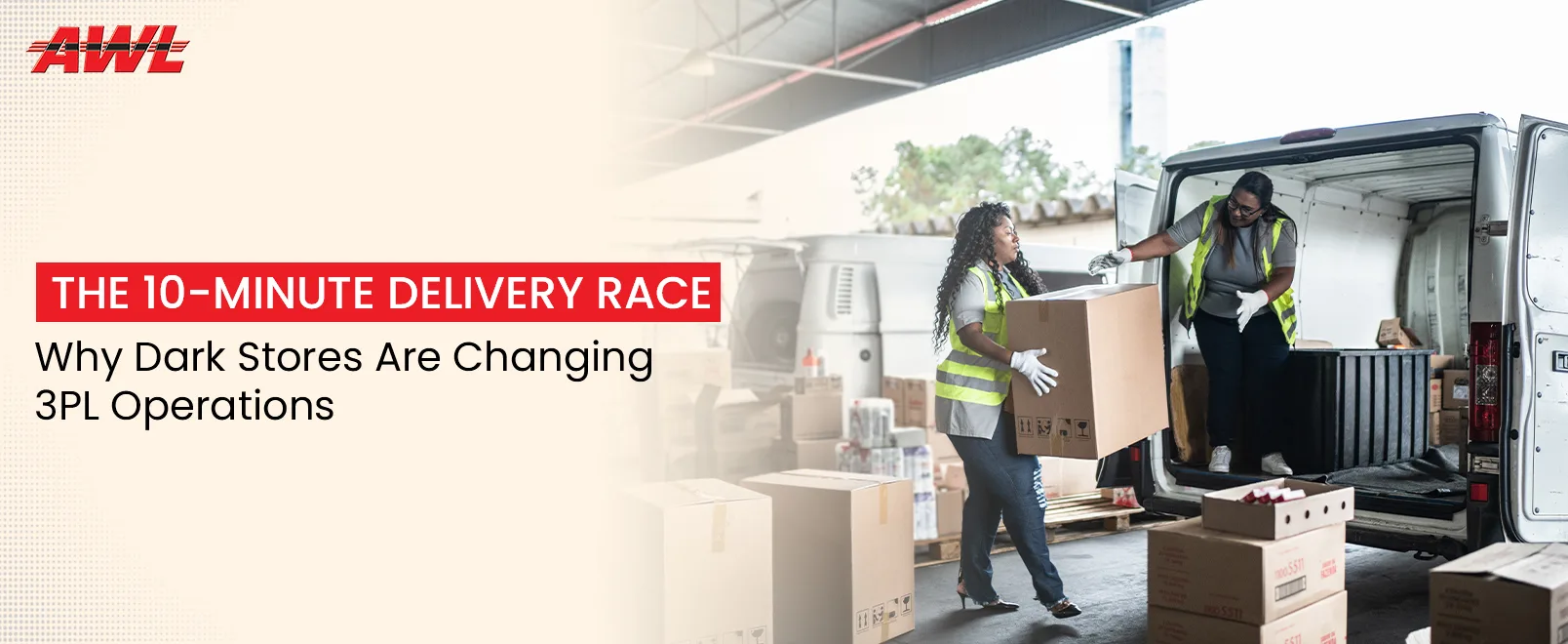
You click a button on your phone. Ten minutes later, your doorbell rings. Your groceries have arrived. Most people never think about where these items come from. It feels like magic. However, there is a very busy world working behind your screen. This world is changing how we shop forever.
What is a Dark Store?
The concept of the dark store warehouse is quite simple. It is a local distribution center that is not open to the public Seen. These stores look like grocery shops inside. They have aisles and shelves full of snacks, milk, and household goods. But you will not find any shoppers there.
- These locations are strictly for online orders. They are placed in the heart of the city. This allows for very fast picking and packing of items.
- The staff members are experts at finding items quickly. They use mobile apps to see the shortest path in the aisles. This saves precious seconds for every order.
- Because there are no customers, the layout is very efficient. There is no need for fancy displays or music. The focus is entirely on speed and high accuracy.
The Growth of Quick Commerce
Why has this become so popular in India? People in big cities have very busy lives. They do not want to wait two days for a bag of sugar. This shift in behavior has created a huge market. Many companies are now racing to provide the fastest service possible.
- According to a study by the World Economic Forum, urban last-mile delivery is expected to grow by 78% by 2030.
- Quick commerce India is leading this change globally. The demand for small, frequent orders is much higher here than in many Western countries.
- This growth is fueled by young people who use smartphones for everything. They value convenience more than lower prices. This trend is here to stay for a long time.
How the Model Works
The dark store business model is built on the idea of micro-fulfillment. Instead of one giant warehouse outside the city, there are many small ones inside. This keeps the stock very close to the people who need it. It reduces the distance a rider has to travel.
- A major benefit is better inventory control. Since the store is small, the company knows exactly what is in stock at every second of the day.
- This model also helps in reducing food waste. Fresh items like milk and bread move very fast. They do not sit on a shelf for a long time.
- Leading logistics firms like AWL India are helping brands set up these hubs. They provide the space and the staff to manage the daily rush.
The Role of Logistics Providers
How do logistics companies fit into this picture? Managing hundreds of small hubs is a big challenge. It requires a lot of coordination and smart planning. Traditional shipping methods do not work for 10-minute deliveries. Companies must rethink their entire strategy.
- 3PLs logistics India providers are now becoming tech companies. They use data to predict what people will buy. This helps them stock the right items in advance.
- Traffic in Indian cities is a major hurdle. Logistics firms use smart routing software to avoid jams. This ensures the delivery rider can reach the destination on time.
- AWL India uses advanced systems to monitor every hub. They ensure that the supply chain never breaks. This allows brands to focus on their customers instead.
The Impact on the Last Mile
What exactly is the last mile? It is the final step of a product's journey. It goes from the warehouse to your front door. This part is usually the most expensive. It accounts for a large portion of the total shipping cost.
- Last mile delivery India is being transformed by the dark store warehouse. By cutting the travel distance, companies save a lot on fuel and vehicle maintenance.
- Many companies are now using electric bikes for these deliveries. This is better for the environment. It also helps riders navigate through narrow city lanes very easily.
- Speed is not the only goal. Accuracy is also very important. A fast delivery is useless if the items in the bag are wrong or damaged.
Technology in the Dark Store
Technology is the secret sauce of this revolution. Without smart software, a dark store warehouse would be a mess. Robots and AI are now helping humans work better. These tools make the process seamless and very reliable.
- Sensors and cameras track every move in the warehouse. This data is used to improve the layout. Common items are moved closer to the packing station.
- Predictive analytics help in managing the stock. If a festival is coming, the system orders more sweets. This prevents the store from ever running out of popular items.
- AWL India integrates these technologies to provide a smooth experience. They help businesses scale up without facing any operational pain. Their solutions are built for the future.
Challenges to Consider
Is everything perfect in this new world? No, there are some big hurdles. Real estate prices in cities are very high. Finding a good spot for a dark store warehouse is getting harder. There are also concerns about the safety of delivery riders.
- The cost of rent can eat into the profits. Companies must find a balance between location and cost. A store that is too expensive might not survive long.
- As an expert from a top university noted: "Urban logistics must balance the need for speed with the social impact of increased traffic".
- Competition is also very fierce. Many players are fighting for the same customers. Only those with the best operations and tech will win this long race.
The Future of Indian Logistics
Will this trend continue forever? It seems likely. Consumers are now used to getting things instantly. They will not want to go back to the old way. This means more innovation is coming to the logistics sector in India.
- We might see more automation in the picking process. Small robots could assist human workers in the dark stores. This would make things even faster and safer.
- The network of these stores will expand to smaller cities. People in Tier 2 cities also want quick deliveries. The revolution will spread across the entire country soon.
- Companies like AWL India will play a key role. They provide the backbone for this growth. Their expertise helps the entire industry move forward with confidence and speed.
Questions for the reader: Do you ever wonder how your local neighborhood is changing to fit these hubs? Can we make fast delivery more sustainable for our planet? These answers are found in the way we build our cities and our supply chains today. The hidden warehouse is just the beginning of a much larger shift in how we live and buy.

John Smith
Digital Tech Head