


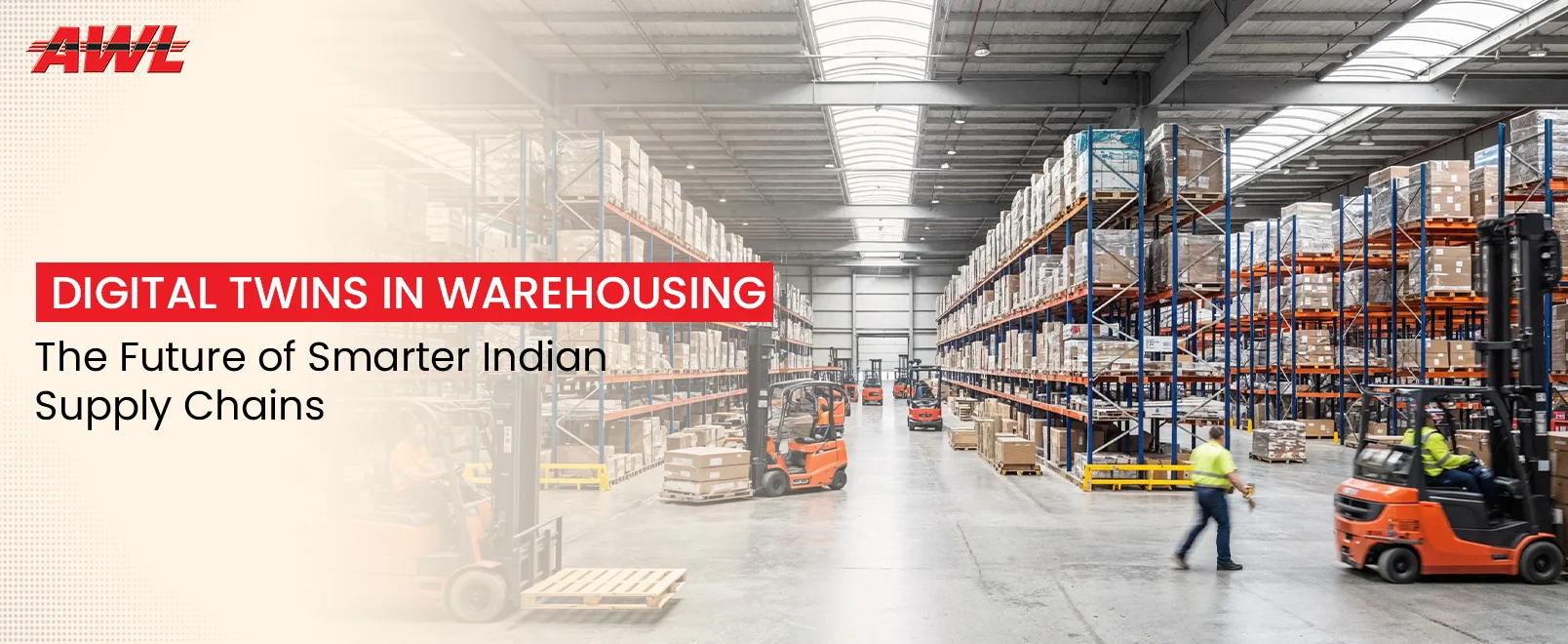
Imagine a warehouse that exists only on a computer screen. It looks and acts exactly like your real building. Smarter. This is not a video game or a simple map. It is a living tool that helps businesses work much better. In India, the way we move goods is changing very fast. Companies want to find new ways to save money and time. This new technology helps them see the future before it happens. It makes the whole process smoother for everyone.
Understanding the Virtual Mirror
A virtual model can save a lot of real money by catching errors early. This is why the use of a digital twin in supply chain is growing so quickly today. It creates a digital copy of every shelf and truck. Redefining This copy uses live data to show what is happening right now. Managers can test new ideas on the screen first. If an idea works on the screen, they use it in the real world.
- Real-time tracking allows managers to see where every package is located. This reduces the chance of losing items. It also helps in planning the fastest delivery routes.
- Space optimization helps warehouses store more items without building new walls. The virtual model finds empty spots that human eyes might miss. This makes the storage area much more efficient.
- Labor management becomes easier when you can see how workers move. The system suggests better paths for picking items. This reduces fatigue and helps staff complete their tasks much faster.
Why India Needs This Technology Now
India is working hard to lower its logistics costs. Right now, these costs are about 13 to 14 percent of the GDP, according to reports from niti.gov.in. Using digital twin technology can help bring this number down significantly. The government wants to reach a single-digit number soon. This shift will make Indian products more competitive in the global market. It will also help local businesses grow much bigger.
- Infrastructure planning is better when you can simulate traffic and port delays. India is building many new freight corridors. Virtual models help in connecting these routes to existing local warehouses perfectly.
- Risk management is a huge benefit for companies like AWL India that handle large volumes. They can simulate a storm or a strike to see how it affects the flow.
- Energy savings are possible because the system controls lighting and cooling. It knows when a section of the warehouse is empty. This helps in reducing the overall carbon footprint of the building.
The Power of Real-Time Data
Can a virtual model predict a breakdown before it actually happens? Yes, it can. This is the core strength of a digital twin in supply chain operations. Sensors on conveyor belts and forklifts send signals to the computer. If a part is getting too hot, the system knows. It tells the team to fix it before the machine stops working. This prevents long delays that frustrate customers and cost money.
"A digital twin is a dynamic software model of a physical object or system," says Dr. Michael Grieves from the Florida Institute of Technology. He is the person who first came up with this idea. According to research on Gartner.com, about 13% of organizations using IoT are already using these twins. They see a big jump in how well their supply chain management works every day.
- Inventory accuracy improves because the digital system counts items automatically. There is no need to stop work for manual counts. This keeps the data fresh and very reliable for sales teams.
- Order fulfillment speed increases when the system predicts busy hours. It tells managers to move popular items closer to the shipping dock. This saves precious minutes on every single order.
- Equipment life is extended through better care and timely repairs. The system keeps a digital log of every machine. It reminds the maintenance crew exactly when a service is due.
Leading the Way with Innovation
India is the right place for this tech now because of the digital growth. Driving A supply Chains digital transformation is happening in every city. More people are shopping online than ever before. This creates a need for very fast and very accurate logistics. Old ways of working are not enough anymore. New tools help companies keep up with the high demand of modern shoppers.
- Customer satisfaction goes up when deliveries arrive on time. The digital model identifies bottlenecks before they slow down a package. This leads to happier customers and more repeat business for the company.
- Scalability is easier for growing firms because they can plan their expansion virtually. They can see how a larger warehouse will perform. This reduces the risk of making big financial mistakes.
- Sustainability is a key goal for digital twin logistics in the modern era. By optimizing routes, trucks spend less time on the road. This saves fuel and lowers the amount of smoke in the air.
Better Decisions for Better Results
Strategic planning is no longer based on guesses. With a digital twin in supply chain setups, every move is backed by hard data. Leaders can see the results of a change before they spend any money. This gives them the confidence to try new things. It also helps them explain their plans to investors and partners. The future of logistics is clearly digital and very smart.
- Cost reduction happens in every corner of the business. From lower electricity bills to fewer damaged goods, the savings add up. This allows companies to offer better prices to their own customers.
- Flexibility is vital when market trends change suddenly. A digital model allows a warehouse to reorganize in hours. This keeps the business ready for any new challenges that come its way.
- Data security is built into these modern systems to protect information. Only the right people can see the warehouse data. This ensures that the business stays safe from any outside digital threats.
The experts at AWL India understand how these tools change the game. They use smart tech to make sure every box moves perfectly. This is how the digital twin in supply chain helps India become a global leader. It turns a simple warehouse into a smart brain that thinks and learns. The virtual twin is not just a copy. It is a guide to a more successful and profitable future.

John Smith
Digital Tech Head