


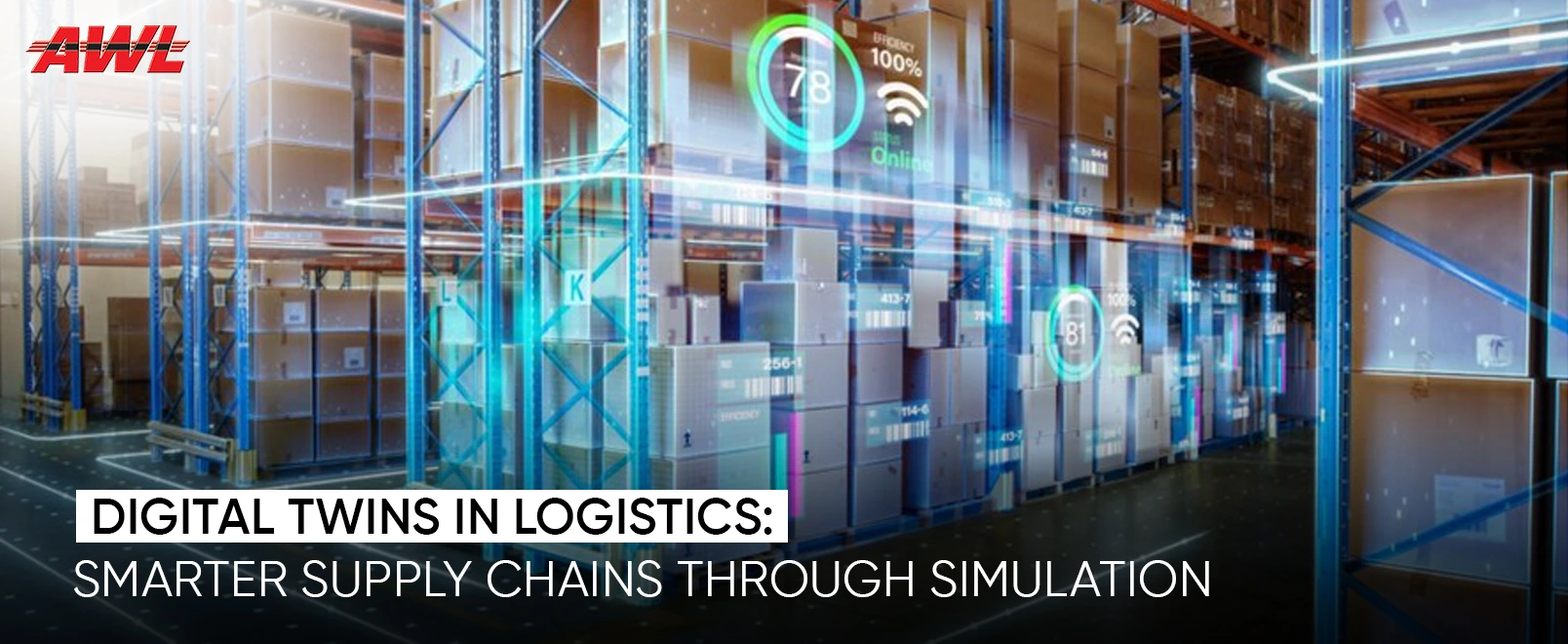
The world of moving goods is changing very fast. Companies used to guess what might happen next in their business. They would look at old charts and try to predict the future. Today, things are different because of new technology. One of the most exciting tools is called a digital twin. It is a virtual version of a real-world system, capable of simulating real-time operations and different business scenarios. This tool helps managers see problems before they actually happen. It makes the whole process of moving products much safer and faster.
What Exactly is a Digital Twin
A digital twin is a computer model that looks and acts like a real thing. In the world of transport, it represents the entire network of trucks and warehouses. This model uses live data to stay updated at all times. It is not just a static picture on a screen. It is a living map that shows how every part of the business is working right now. Many people ask how this is different from a regular map. A regular map only shows where things are. A digital twin shows how things are moving and if they are healthy.
Why Simulations are the Future
Many people wonder how a computer model can actually help a big company save money. The answer is found in simulation. Simulation lets you test new ideas without any risk. You can change a route or a warehouse layout on the screen first. This helps you see if the change is good or bad. It prevents expensive mistakes in the real world. Modern logistics and supply chain management rely on these smart tests to stay ahead of the competition.
Benefits of Using Digital Twins
Using these digital tools offers many clear advantages for businesses of all sizes. Here are some of the most important benefits explained simply:
- Better Visibility: Sensors send data to the computer model every second. This allows managers to see exactly where every package is located at any moment of the day or night.
- Risk Reduction: The system can simulate a major storm or a port strike. By doing this, the team can create a backup plan long before the actual trouble starts to happen.
- Cost Savings: Computers find the best ways to save fuel and time. Small changes in routes can save millions of dollars over a full year for a large shipping company.
- Faster Delivery: When the system knows where traffic is heavy, it suggests a new path. This ensures that customers get their orders on time without any unnecessary or long delays.
- Improved Safety: Digital models can predict when a truck needs a new part. This prevents accidents on the road and keeps drivers safe during their long trips across the country.
- Energy Efficiency: By finding shorter routes, companies use less fuel. This is better for the environment and helps the company reach its green goals while saving a lot of money.
Improving the Movement of Goods
When companies use these tools, they improve the flow of the Smarter supply chain and logistics across the globe. They no longer have to wait for a problem to occur. They can act early to stop it. This keeps the shelves in stores full and customers very happy. It also reduces the amount of waste in the system. A common question is whether small companies can use this too. The truth is that the technology is becoming cheaper every day. Small firms can start with simple models and grow them over time.
The Role of Expert Guidance
Setting up a digital twin is not a simple task for most companies. It requires a lot of technical knowledge and data. This is why many firms work with logistics and supply chain consultants to start the process. These experts know how to collect the right data from different sources. They help build a model that actually reflects the real world. A professional supply chain consultant can also teach the staff how to read the new digital maps. This makes the transition to new technology much smoother for everyone involved in the business.
Making Better Decisions with Data
How can a manager know for sure which warehouse location is the best? Digital twins provide the answer through hard data. They compare different spots and show the potential costs of each one. This takes the guesswork out of big business moves. Many logistics and supply chain consultants use these models to give their clients the best possible advice for long-term growth and success. They can look at thousands of scenarios in just a few minutes.
Dealing with Incorrect Data
What happens if the information fed into the computer is wrong? This is a very important question to consider. If the data is bad, the model will give bad advice. This is why top logistics and supply chain consultants spend a lot of time checking the sensors. They make sure every piece of information is clean and correct before the simulation begins. Having high-quality data is the secret to making the digital twin work perfectly for the business.
Why Digital Twins are Growing
The use of digital twins is growing very quickly every year. According to a report by anyLogistix, using these models can lead to a 7% reduction in total supply chain costs for large industrial groups. Another study from the EA Journals shows that digital twins can reduce energy consumption by up to 25% in logistics operations. Furthermore, research from McKinsey suggests that digital tools can provide performance gains of up to 40% over a few years.
Adapting to the Indian Market
India has a very large and complex network of roads and railways. Managing this is a huge challenge for any business. The top supply chain logistics companies in India are now using digital twins to handle this complexity. They use the tools to manage the heavy traffic and different weather patterns across the country. Companies like AWL India are leading the way by using advanced tech to serve their many clients across the region. They understand the local challenges and use global tech to solve them.
Warehouse Optimization
A warehouse is more than just a big building with shelves. It is a busy place where every second counts. Digital twins can simulate the movement of workers and robots inside the building. This helps in finding the best place to put the most popular items. By doing this, AWL India can pick and pack orders much faster than before. This leads to better service for the end user and lower costs for the business. It makes the whole warehouse work like a well-oiled machine.
Expert Strategies for Success
The best logistics and supply chain consultants suggest starting small with digital twins. You do not need to model the whole world at once. You can start with one warehouse or one delivery route. Once you see the benefits, you can grow the digital model. This step-by-step path helps companies manage their budget while still learning how to use the new and powerful software. It is a smart way to innovate without spending too much money at the very beginning.
Leading Perspectives: Bridging the Virtual World
Michael Grieves is often called the father of the digital twin concept. He once stated that a digital twin is a virtual representation of a physical entity that is updated with real-time data. He believes this bridge between the physical and virtual worlds is the key to better decision-making in modern business.
Real-Time Monitoring and Analysis
Is it possible to stop a machine from breaking before it actually stops? Yes, it is. Digital twins monitor the health of trucks and conveyor belts in real time. If a part starts to get too hot, the system sends an alert. This keeps the supply chain moving without any sudden stops. It allows the maintenance team to fix things during the weekend so that work does not stop during the busy week.
The Future with AWL India
The future of logistics is digital and very smart. By using simulations, companies can be ready for anything the world throws at them. AWL India continues to invest in these tools to provide the best shipping solutions. This technology ensures that every decision is based on facts and clear data. It is the best way to build a supply chain that is strong, fast, and ready for the future.

John Smith
Digital Tech Head