


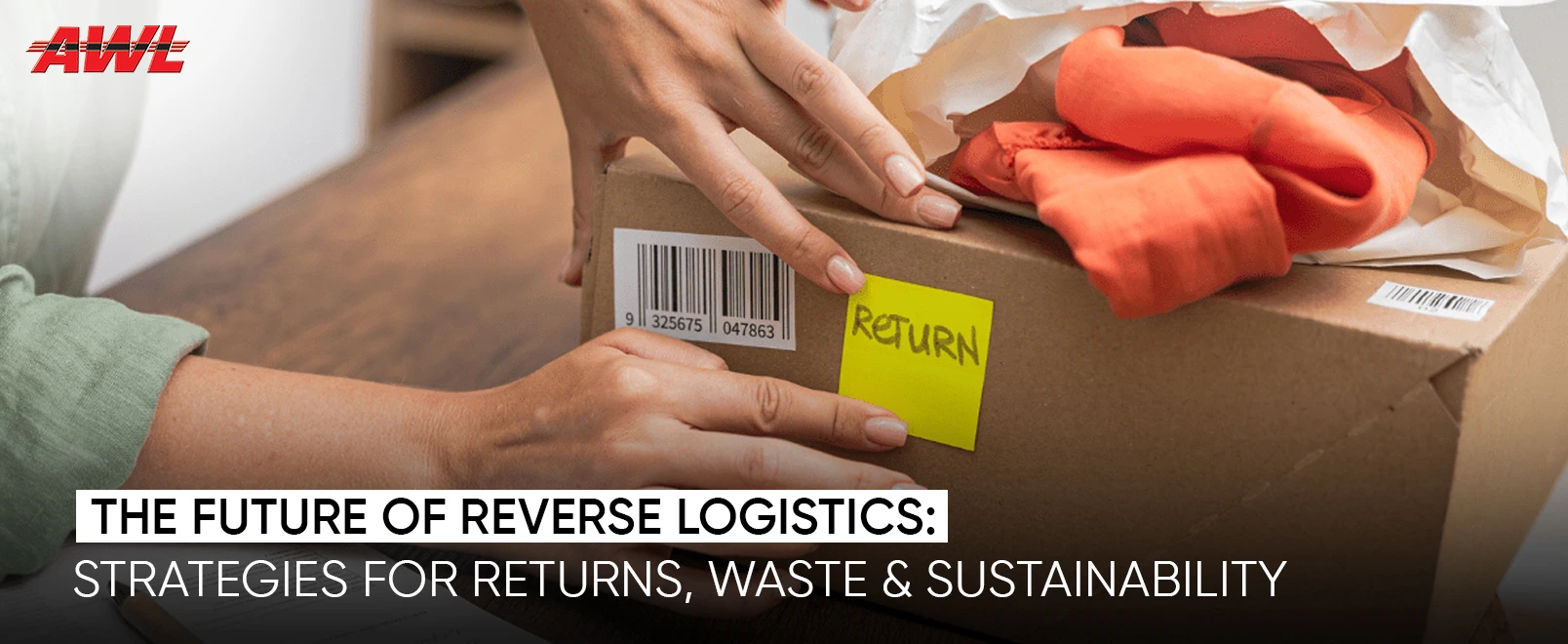
Logistics usually means moving goods from a factory to a customer. Today, the path is no longer a one-way street. Many people buy items online and send them back. This creates a loop that companies must manage. Handling these returns is a major part of modern business. It is about more than just moving boxes back to a warehouse. It involves checking quality, fixing items, and reducing waste. If a company does this well, they save money. If they do it poorly, they lose profits and hurt the planet. The world of trade is changing fast. Everyone needs a plan for the items that come back.
The Rising Tide of Returns
Why do so many items come back to the seller? How do returns affect the planet? These are important questions for every brand. Online shopping makes it easy to buy many things. Some people buy three sizes of the same shirt. They keep one and send two back. This creates a huge volume of work for reverse logistics companies. Every return trip uses fuel and creates carbon emissions. According to a study by the Massachusetts Institute of Technology, returns can significantly increase the carbon footprint of a single purchase. The study shows that the last mile of delivery and the return trip are the most taxing on the environment.
Smart Strategies for Modern Returns
Companies need clear plans to handle this flow. They must think about speed and cost. Many reverse logistics companies focus on making the trip back as short as possible. They use local hubs to collect items. This saves time and fuel. Here are some key strategies used by leaders in the field:
- Gatekeeping at Entry: Staff check items as soon as they arrive back. This helps decide if a product can be sold again immediately. It prevents bad stock from entering the system.
- Localized Processing Centers: Using small centers near customers reduces travel distance. This lowers shipping costs and helps the environment. Items reach the warehouse much faster for a quick resale.
- Automated Tracking Tools: Software tracks every returned item in real time. This gives managers a clear view of their stock. It also helps in giving customers their refunds much faster than before.
- Clear Return Policies: Simple rules help customers know what to expect. This reduces confusion and unnecessary calls. It also ensures that only valid items are sent back to the main warehouse.
Managing Waste and Sustainability
Waste is a massive problem in the retail world. Millions of tons of returned goods end up in landfills every year. This happens because some firms find it cheaper to throw items away than to fix them. However, this is changing. People now care more about the Earth. They want to buy from green brands. Can tech reduce return costs? Yes, it can. Better data helps firms understand why people return things. If a shirt is always too small, the brand can change the size chart. This stops the return before it even happens.
Many reverse logistics companies are now focusing on the circular economy. This means they try to keep products in use for as long as possible. They repair, refurbish, or recycle items. Research from the Ellen MacArthur Foundation suggests that a circular model can reduce waste by up to 80% in some sectors. This is a huge win for everyone. It saves raw materials and energy.
The Role of Professional Partners
Handling returns is hard work. It requires special tools and big spaces. This is why brands hire experts. There are many reverse logistics companies that provide these services. They have the experience to handle millions of items. They know how to sort goods quickly. One such expert is AWL India. They help businesses manage their supply chains with ease. By using a partner, a brand can focus on making great products. They do not have to worry about the messy parts of returns.
- Scalable Warehousing: Modern warehouses can grow with the needs of a brand. This allows for flexible storage during peak seasons. It ensures that returns do not clog up the sales floor.
- Data Driven Insights: Experts use big data to spot return trends. This helps brands fix product issues quickly. It leads to fewer returns in the long run and higher profits.
- Refurbishing Services: Some partners offer to fix broken items. This adds value to the product again. It turns a potential loss into a new sale for the business.
The Landscape in India
India is seeing a huge boom in online sales. This means the volume of returns is also rising. The geography of the country makes this a challenge. There are many reverse logistics companies in India trying to solve this. They must deal with busy cities and remote villages. Only the best reverse logistics companies can handle this complexity. They use smart routing to find the best paths. This ensures that goods move back through the reverse logistics process without delay.
A smooth process is vital for customer trust. If a refund takes too long, the customer will not shop there again. AWL India works hard to keep this process fast. They understand the local market very well. This local knowledge helps them navigate the unique hurdles of the Indian market. They are among the top reverse logistics companies because they use the latest tech. This allows them to give brands a competitive edge.
Scaling Success: The Next Wave of Logistics Innovation
The industry is moving toward a more sustainable future. Logistics expert Dr. Dale Rogers, a professor at Arizona State University, once stated: "Reverse logistics is the final frontier for cost reduction." This means top reverse logistics companies in India have already saved money in other areas. Now, they must look at returns. Saving money here is the next big step for growth.
- Green Packaging: Firms are moving away from single-use plastic. They use boxes that are easy to reseal. This makes the return journey cleaner and much easier for the customer.
- AI for Quality: Artificial intelligence can now scan items for damage. This is faster and more accurate than human eyes. It ensures that only perfect items are resold to new customers.
- Blockchain for Transparency: This tech helps track the history of an item. It proves that a refurbished product is genuine. This builds trust with shoppers who buy used or fixed goods.
Moving Toward a Circular Future
The goal for the future is zero waste. Every item should have a second or third life. When a product can no longer be fixed, it should be recycled. This keeps materials out of the ground. AWL India is committed to these green goals. They help their clients build a better future. By choosing the right partners, brands can make a real difference.
It is clear that the old way of doing things is gone. Brands must be smart and fast. They must care about the planet just as much as they care about profits. A good return system is the key to this balance. It turns a problem into an opportunity. It builds loyalty and saves the world at the same time. The future of trade depends on how we handle the things that come back to us.

John Smith
Digital Tech Head