


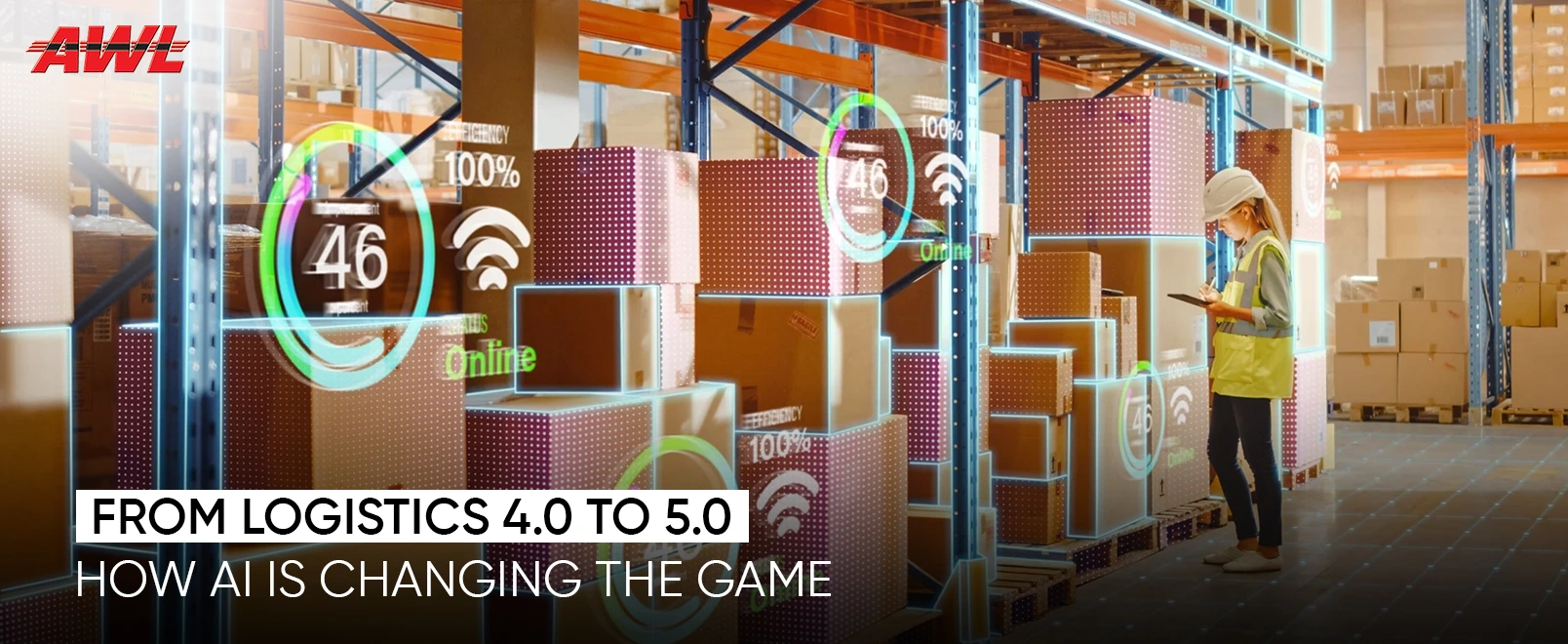
The world of shipping and supply chains is moving very fast. A few years ago, we talked about Logistics 4.0. This was all about using the internet and basic data. Now, we are entering the era of Logistics 5.0. This new phase puts people and the planet at the center of technology. It uses advanced tools like artificial intelligence to make work better for everyone. Moving goods is no longer just about trucks and boxes. It is about smart systems that can think and learn.
What is the Shift from 4.0 to 5.0?
Logistics 4.0 was mostly about automation and making things digital. It used sensors to track packages and robots to move items in warehouses. Logistics 5.0 takes this a step further. It focuses on the link between humans and machines. It wants to make the supply chain more resilient and sustainable.
- Logistics 4.0 focused on efficiency and speed.
- Logistics 5.0 adds a focus on social well-being and the environment.
- The shift uses AI to help humans make better decisions.
- It moves away from just doing things fast to doing things right.
How does AI help Human Workers?
One big question people ask is whether robots will take all the jobs. The answer in the 5.0 era is no. AI is designed to help workers, not replace them. In warehouses, AI can predict which items will be popular. This helps workers organize the space better. It reduces the physical strain on people.
Smart systems can also handle boring tasks. This leaves humans free to solve complex problems. When a storm delays a shipment, AI can suggest new routes in seconds. The human manager then makes the final choice. This partnership makes the whole system stronger. It creates a workplace where technology serves the people. Many third party logistics companies use these tools to make the daily work of their staff easier.
The Role of Smart Data in Modern Shipping
Data is the fuel for this new era. In the past, data just told us what happened yesterday. Today, AI tells us what might happen tomorrow. This is called predictive analytics. It helps companies stay ahead of the game.
- AI analyzes weather patterns to avoid delays.
- It tracks fuel use to lower costs and help the Earth.
- Predictive tools can tell when a truck needs a repair before it breaks down.
- This keeps the supply chain moving without sudden stops.
Recent research highlights the massive impact of these technologies. The global AI in logistics market is expected to grow by 25.9% each year until 2034. Furthermore, studies show that AI can help businesses reduce their forecasting errors by up to 30%. This high level of accuracy is why third party logistics companies are investing so much in new software.
Making Logistics Green and Sustainable
Can a massive shipping network actually be good for the planet? This is a tough goal, but AI is making it possible. Logistics 5.0 cares about the carbon footprint. AI helps by finding the shortest routes for delivery vans. This uses less fuel and creates less smoke.
Many third party logistics companies in India are now looking at electric vehicles. AI helps manage the battery life of these vans. It tells the driver exactly when and where to charge. This reduces waste and saves time. Sustainable logistics is not just a trend. It is a necessity for the future of our world.
Why is Resilience Important Now?
The last few years have shown us that the world can change quickly. Pandemics or trade issues can stop ships. A resilient system can bounce back fast. AI helps by looking at the whole global map at once. It finds risks before they become big problems.
If a port is closed, the system finds a different port immediately. This flexibility is what defines the 5.0 era. It is about being ready for anything. AWL India uses these smart tools to keep goods moving even during tough times. Having a plan B is good, but having an AI that generates plan C and D is better. Marc Benioff, the CEO of Salesforce, says that AI and data are part of a "business revolution" that changes how we serve customers.
Understanding the Human Touch in Tech
Even with the best AI, the human touch is vital. Logistics is a service for people. Customers want to know their packages are safe. They want to talk to real people when they have a question.
- AI handles the tracking and the data.
- Humans handle the empathy and the care.
- This balance builds trust with the customer.
- Technology should make the customer experience feel more personal.
Improving the Warehouse Experience
Warehouses used to be dark and dusty places. Now, they are high-tech hubs. AI controls the lights and the temperature to save energy. It also monitors the safety of the workers.
If a worker is too tired or a shelf is loose, the AI can send an alert. This creates a safer place to work. AWL India focuses on using technology to make the workplace better for every employee. A happy worker is a productive worker. This is a core idea of the 5.0 movement. Experts suggest that AI could improve worker productivity by 40% while keeping them safe.
Choosing the Right Partner for Shipping
How do businesses stay competitive in this changing world? They need to work with experts who understand these new tools. It is not enough to just have a warehouse. You need a smart warehouse.
Most third party logistics companies are now investing heavily in software. They want to give their clients the best data. This helps small businesses grow faster. By using third party logistics, a small shop can have the same tech power as a giant store. This levels the playing field for everyone.
The Future of the Supply Chain
The road from 4.0 to 5.0 is an exciting one. It is a journey toward a smarter and kinder industry. We are seeing less waste and more precision. Transforming The use of AI is making the world feel smaller and more connected.
AWL India is at the forefront of this change. They use technology to bridge the gap between machines and people. This ensures that every delivery is not just a task, but a promise kept. As we move forward, the goal remains clear. We want a world where logistics works for everyone.
FAQs
1. What is the main difference between Logistics 4.0 and 5.0?
Logistics 4.0 was primarily focused on automation and digitalization—using sensors and data to make systems faster. Logistics 5.0 takes that technology and adds a human-centric approach. It focuses on how AI and machines can work alongside humans to improve well-being, sustainability, and resilience.
2. Will AI and robots replace human workers in the warehouse?
No. The goal of Logistics 5.0 is collaboration, not replacement. AI is used to handle repetitive, dangerous, or physically straining tasks. This allows human workers to focus on creative problem-solving and complex decision-making, leading to a safer and more engaging workplace.
3. How do third party logistics companies use AI to be more sustainable?
Third party logistics companies use AI to optimize delivery routes, which significantly reduces fuel consumption and carbon emissions. AI also helps manage electric vehicle fleets and predicts the best "right-sized" packaging for orders, which reduces material waste and lowers the overall environmental footprint.
4. Can small businesses benefit from these advanced technologies?
Yes. One of the biggest advantages of working with third party logistics companies in India is that they provide small businesses with access to high-end AI tools without the small business having to buy the tech themselves. This allows smaller brands to enjoy the same efficiency and speed as global giants.
5. Why is "resilience" such a big part of Logistics 5.0?
Resilience means the ability to recover quickly from unexpected problems like storms, port closures, or supply shortages. AI provides real-time visibility, allowing AWL India and other leaders to predict these disruptions and automatically suggest alternative plans, ensuring that the supply chain never grinds to a halt.

John Smith
Digital Tech Head