
Imagine a world where cargo moves faster than passenger trains. This is a reality in India today. For years, businesses struggled with slow shipping times. Trucks faced bad roads and heavy traffic jams. How can companies move products across the country in hours instead of days? The answer lies in a new train network.
What is the New Rail Network?
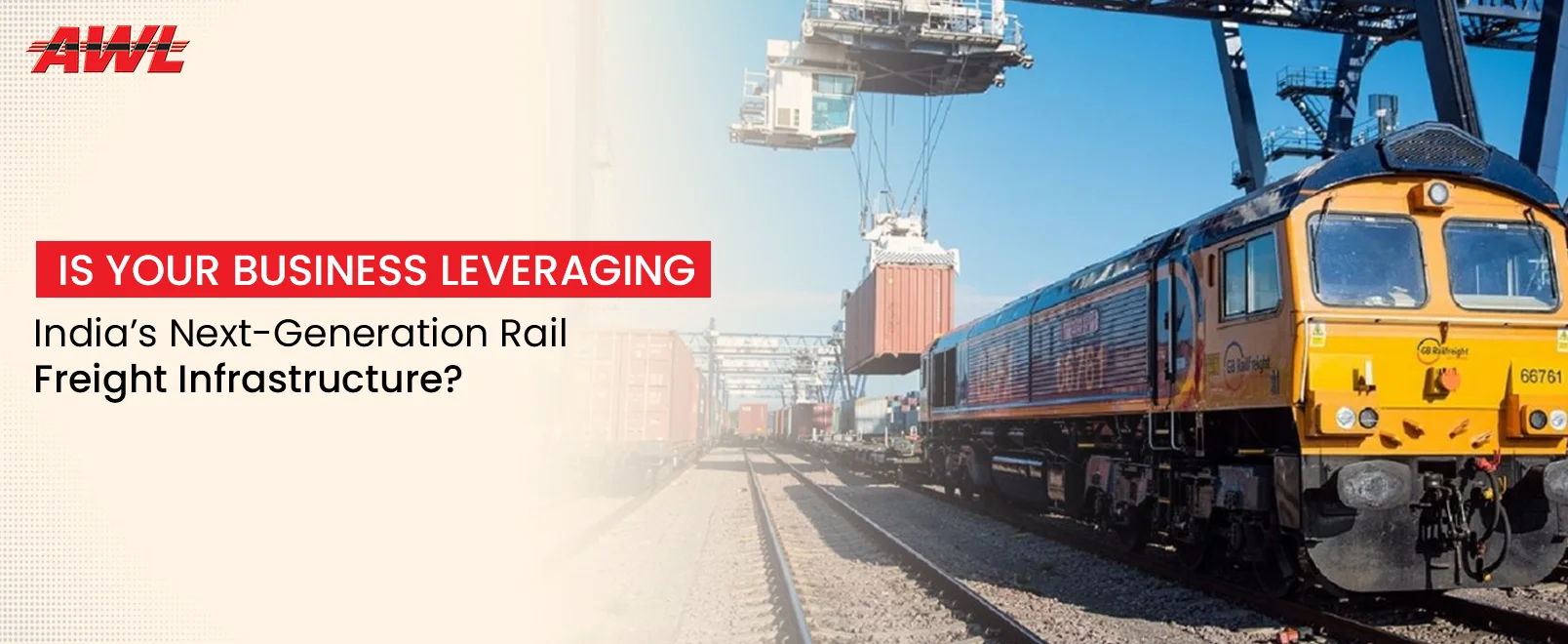
India has created an exclusive path for cargo trains. This system separates freight from passenger traffic completely. The new rail freight corridor India allows heavy trains to run without delays. They do not stop for passenger trains anymore. Goods reach destinations much faster.
The network uses modern technology. It features automatic signalling and thick steel tracks. The design helps trains carry double-stacked containers. The dedicated freight corridor India connects major ports directly to industrial cities.
The Completion of a Massive Project
The project hit a major milestone in March 2026. Officials finished the final section. This marked the complete opening of the western dedicated freight corridor line. This route runs for 1,506 kilometres from Dadri to Mumbai.
The Eastern Corridor was finished in late 2023. Together, these lines form the backbone of trade. This is a massive step forward for India logistics infrastructure development goals. It allows the smooth movement of goods across states.
Key Facts and Statistics You Need to Know
Are you wondering how much this changes the shipping industry? The numbers show a clear picture of growth. Data from the Indian Institute of Technology Kanpur shows massive improvements. Here are some crucial facts about the dedicated freight corridor India network:
- Massive Speed Boost: Cargo trains used to crawl at 25 kilometres per hour. On the new lines, they maintain an average speed of 60 to 70 kilometres per hour easily.
- Record High Speeds: Empty trains achieved record average speeds of over 99 kilometres per hour during trials. This makes it one of the fastest freight systems in the world.
- Lower Shipping Costs: Moving freight on this line reduces shipping costs significantly. The expenses drop from 0.45 rupees per tonne-kilometre on old routes to 0.30 rupees.
- Double Stack Containers: The western route allows trains to carry double-stacked containers easily. This means a single train can haul twice as much cargo as a standard train.
- Longer Train Rakes: The new tracks handle trains that are 1.5 kilometres long. These huge trains can transport up to 13,000 tonnes of cargo in a single trip.
Helping the Planet with Green Logistics
Can businesses grow fast while keeping the environment safe? Yes, they can. The new train system does not just save time. It helps protect our environment. The World Bank found that these tracks reduce carbon emissions by 45.7 million tonnes over thirty years. Leading logistics firms like AWL India are already helping businesses make this eco-friendly shift.
Words from the Industry Leadership
Industry experts are very happy with this change. Praveen Kumar, the Managing Director of DFCCIL, shared his views in June 2026. He stated: "The Dedicated Freight Corridor was conceived with the objective of reducing logistics costs." He noted that recent studies prove costs have already declined now that the main lines are open. This shows that the network delivers on its promises.
Why Your Business Needs to Adapt Fast
The market moves quickly today. If your company relies only on old road transport, you might fall behind. Using the dedicated freight corridor India gives you a major competitive edge. It makes your supply chain highly reliable.
Working with a smart supply chain partner helps you utilize this network. A tech-driven logistics provider like AWL India can connect your warehouses directly to these high-speed tracks. This ensures that your inventory moves without delays.
Major Benefits of Using Rail Corridors
Switching your cargo to the new rail network offers clear operational advantages. It solves many traditional supply chain problems at once.
- No More Traffic Jams: Trains do not face traffic jams or highway tolls. This ensures that your valuable commercial shipments reach their destination exactly on schedule every single time.
- Safe Cargo Handling: The automated tracks offer a smooth ride with very few jerks. This reduces the risk of breakages or damage to fragile goods during transit.
- Better Warehouse Control: Faster and more predictable transit times mean you do not need to hold extra safety stock. This helps companies reduce their warehouse storage costs significantly.
- All Weather Reliability: Heavy rains or storms often disrupt road transport networks across India. These modern electric rail lines operate safely in all weather conditions throughout the year.
Choosing the Right Supply Chain Partner
Navigating a new rail network requires deep expertise. You need a partner who understands multi-modal systems. They must know how to transfer goods smoothly from factories to trains and retail stores.
This is where AWL India plays a vital role. They combine smart software with a vast network of warehouses. They handle the complete end-to-end process for you. They pick up cargo, pack it safely, manage rail paperwork, and handle final delivery. This allows you to focus on your business.
Capitalizing on the Future of Logistics
The expansion of the dedicated freight corridor India will continue. The government is planning new routes to connect the southern and eastern parts of the country. This means the network will become even more powerful.
The future of shipping is here. It is fast, cheap, and green. Smart brands are already moving their cargo onto these advanced tracks. It is time to audit your supply chain today. Make sure your business uses this modern infrastructure to grow faster.
FAQs
1. What is the Dedicated Freight Corridor (DFC) in India?
The Dedicated Freight Corridor is a high-speed, high-capacity railway network built exclusively for cargo trains. By separating freight traffic from passenger trains, it ensures faster speeds, lower logistics costs, and highly predictable transit times across India.
2. How fast do cargo trains run on the new rail freight corridor?
While freight trains on standard Indian railway tracks average about 25 km/h, trains on the dedicated corridor maintain an average speed of 60 to 70 km/h. During empty trial runs, trains have even touched record speeds of over 99 km/h.
3. Which regions does the Western Dedicated Freight Corridor connect?
The Western Dedicated Freight Corridor runs for 1,506 kilometres, connecting Dadri in Uttar Pradesh (near Delhi) to the Jawaharlal Nehru Port Trust (JNPT) in Mumbai, Maharashtra. It passes through major industrial states including Haryana, Rajasthan, and Gujarat.
4. What are double-stack container trains, and why are they important?
Double-stack container trains carry two layers of shipping containers on top of each other. This is made possible by the corridor's higher overhead electrical wires and wider tracks, allowing a single train to haul twice the volume of cargo and drastically lower shipping costs.
5. How can my business start using this new rail infrastructure?
Businesses can utilize the corridor by partnering with tech-driven logistics providers like AWL India. Third-party logistics partners handle the multi-modal transit, seamlessly moving your goods from warehouses to the DFC rail network and managing the final-mile delivery.

John Smith
Digital Tech Head