
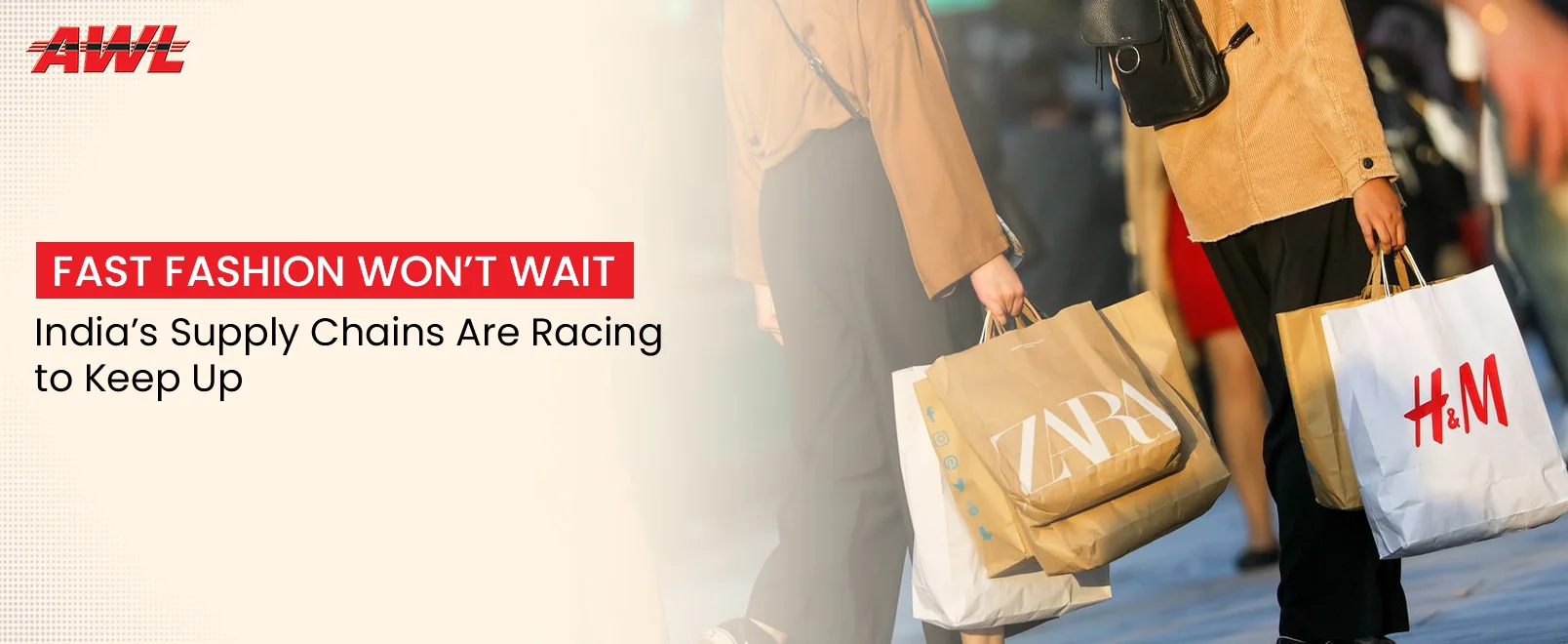
The demand for trendy clothing is growing quickly today. Buyers want new styles delivered to their doors in just a few days. This sudden change puts a heavy strain on local delivery systems. Traditional networks were designed for bulk shipping to physical stores rather than sending single packages to individual homes. Let us look at how the system is transforming to keep up with these new demands.
The Speed Crisis in Modern Clothing Delivery
Why did India's older delivery networks struggle with modern clothing trends? Older networks moved large boxes from big factories to wholesale markets using slow trains and trucks. Today, buyers expect multiple design updates every week. According to the Organisation for Economic Co-operation and Development, ultra-fast fashion brands launch thousands of new units daily.
This speed requires a new approach. Managing a modern fast fashion supply chain means shipping small batches to hundreds of cities simultaneously. The old infrastructure faced narrow roads and slow manual sorting, causing long delays. To solve this, businesses are rebuilding the network from scratch. They are focusing strictly on speed and accuracy.
Major Roadblocks in the Indian Network
The sudden shift reveals several weak links in the existing setup. These issues affect how fast clothes move from workshops to closets. Here are the core problems that the industry faces today:
- High shipping costs impact profit margins because companies frequently use air transit to meet tight deadlines instead of relying on more affordable ground options.
- Poor warehouse tracking creates massive confusion when stock levels are updated manually, which often leads to severe stockouts or excessive leftover inventory in hubs.
- Broken country roads delay final deliveries in small towns, making it hard for delivery agents to meet the strict three-day shipping promises made online.
These roadblocks slow down the fashion supply chain India depends on for economic growth. As a result, brands are turning to advanced tech. They need specialized partners who understand modern retail rules. In the past, companies could wait weeks for shipments. Now, a short delay can mean losing a customer.
Tech Solutions Overhauling the System
How are smart companies adapting to these sudden changes in buyer demands? They are investing heavily in automated software and smart sorting centers. The modern landscape requires real-time data to trace every single garment. This is where modernajor highways.
Advanced technology helps track items at every step, reducin fast fashion logistics India come into play. Companies are building smart hubs close to mg mistakes. Let us look at the main tech tools changing the industry:
- Smart sorting belts use barcode scanners to automatically separate packages by postal codes, which slashes manual labor times by more than fifty percent.
- Predictive software uses historical purchase records to guess which clothing styles will sell best in specific regions, preventing bad inventory distribution across states.
- Digital tracking labels give warehouses perfect visibility over item locations, ensuring that no garment gets lost inside massive storage facilities during peak seasons.
Using these modern systems makes apparel logistics India operations much smoother. Top players like AWL India are leading this tech transformation across the nation. They help brands keep up with global retail standards. Faster processing ensures that clothes spend less time sitting on warehouse shelves.
The Headache of Handling Customer Returns
What happens when thousands of buyers return their online clothing orders at the same time? Returns are a massive problem for online fashion retail. In fact, clothing return rates can exceed thirty percent of total sales. Managing these items is called reverse logistics. It requires a perfect setup to avoid losing money.
An unorganized system ruins profitability. Returned items must be checked, repackaged, and put back on shelves quickly before they go out of style. This is a critical part of e-commerce fashion logistics today. If a return takes too long, the style becomes old news. Fast sorting is vital for survival.
How Logistics Networks Are Transforming
To fix these issues, the country is witnessing an infrastructure overhaul. According to the India Brand Equity Foundation, the domestic e-commerce industry is projected to reach 345 billion dollars by 2030. Trend-led clothing will grow nearly four times by 2028. This growth requires massive upgrades.
New fulfillment centers are opening up in Tier 2 and Tier 3 cities. These regional hubs bring inventory closer to the final buyer, reducing transit times and lowering fuel costs. Specialized service providers are helping brands scale up rapidly.
Let us look at how specialized modern networks function:
- Micro fulfillment hubs are built inside major urban centers to enable same-day shipping, which completely fulfills the modern customer demand for instant shopping gratification.
- Automated inventory updates link online websites directly with warehouse storage databases, preventing customers from ordering items that are already out of stock.
- Shared delivery fleets allow multiple brands to utilize the exact same transport vehicles, lowering overall carbon emissions and reducing individual shipping costs significantly.
Industry Insights on the Future
Experts agree that old methods will no longer work in this fast era. Companies must adapt or close down. Rajesh Kumar, a senior logistics operations consultant, stated: "Speed is the only currency that matters in modern fashion. If your supply chain cannot deliver a trend within a week, your brand will become obsolete very quickly."
This reality forces brands to choose reliable partners. A trusted name like AWL India provides the necessary tech tools to manage these complex workflows. They offer end-to-end support for fast-moving brands. This support helps businesses focus on creating designs while leaving transport worries to professionals.
The Path Forward for Fashion Brands
To stay competitive, fashion labels must prioritize infrastructure investments. Relying on basic courier services is no longer enough. The market demands specialized fast fashion logistics India systems that can handle sudden demand spikes.
Here are the key strategies for future success:
- Consolidating multiple warehouse locations into fewer large automated fulfillment centers helps streamline quality control checks and reduces total overhead management costs noticeably.
- Partnering with reliable third-party providers gives small apparel brands immediate access to advanced fleet networks and automated distribution systems without high upfront costs.
- Implementing automated return desks allows teams to process customer refunds and restock returned clothes within twenty-four hours of receiving the package back.
By fixing these gaps, the industry can support sustainable growth. Modern fast fashion logistics India networks ensure that the latest clothing trends reach buyers without unnecessary delays. This shift creates a win-win situation for brands and buyers.
Final Thoughts on Fashion Supply Chains
The retail landscape will keep changing rapidly over the coming years. India has the manufacturing power, producing billions of garments annually. However, delivery speed determines who wins the market share.
With help from experts like AWL India, the nation is building a world-class network. Optimized fast fashion logistics India will allow local brands to compete globally. The future of fashion relies entirely on the strength of its moving parts.
FAQs
1. Why do traditional logistics networks in India struggle with fast fashion?
Traditional networks were built to move large bulk orders from factories to physical stores over several weeks. Fast fashion requires moving small, individual packages to thousands of different home addresses in just a few days. The old systems simply lacked the speed and technology to handle this high volume of small orders.
2. How does automated technology improve the fashion supply chain?
Automated technology reduces manual errors and speeds up package processing. Tools like smart sorting belts can organize packages by zip code much faster than human workers. Predictive software also helps warehouses guess which styles will sell best in certain regions so they can stock items in advance.
3. What is reverse logistics, and why is it a major challenge for online clothing brands?
Reverse logistics is the process of handling customer returns. Online fashion brands face high return rates, often over thirty percent. Logistics networks must check, repackage, and restock these returned items very quickly before the clothing style goes out of fashion.
4. How are delivery companies reaching buyers in Tier 2 and Tier 3 cities faster?
Companies are building smaller micro-fulfillment hubs closer to these regional towns. By storing popular inventory near the final buyers, delivery fleets do not have to travel long distances from major mega-cities, which dramatically cuts down transit times.
5. Why should a growing apparel brand partner with a third-party provider like AWL India?
Partnering with a specialized provider gives brands immediate access to advanced warehouse tech and large delivery networks. This saves brands from spending huge amounts of money to build their own infrastructure, allowing them to focus entirely on designing clothes.

John Smith
Digital Tech Head