
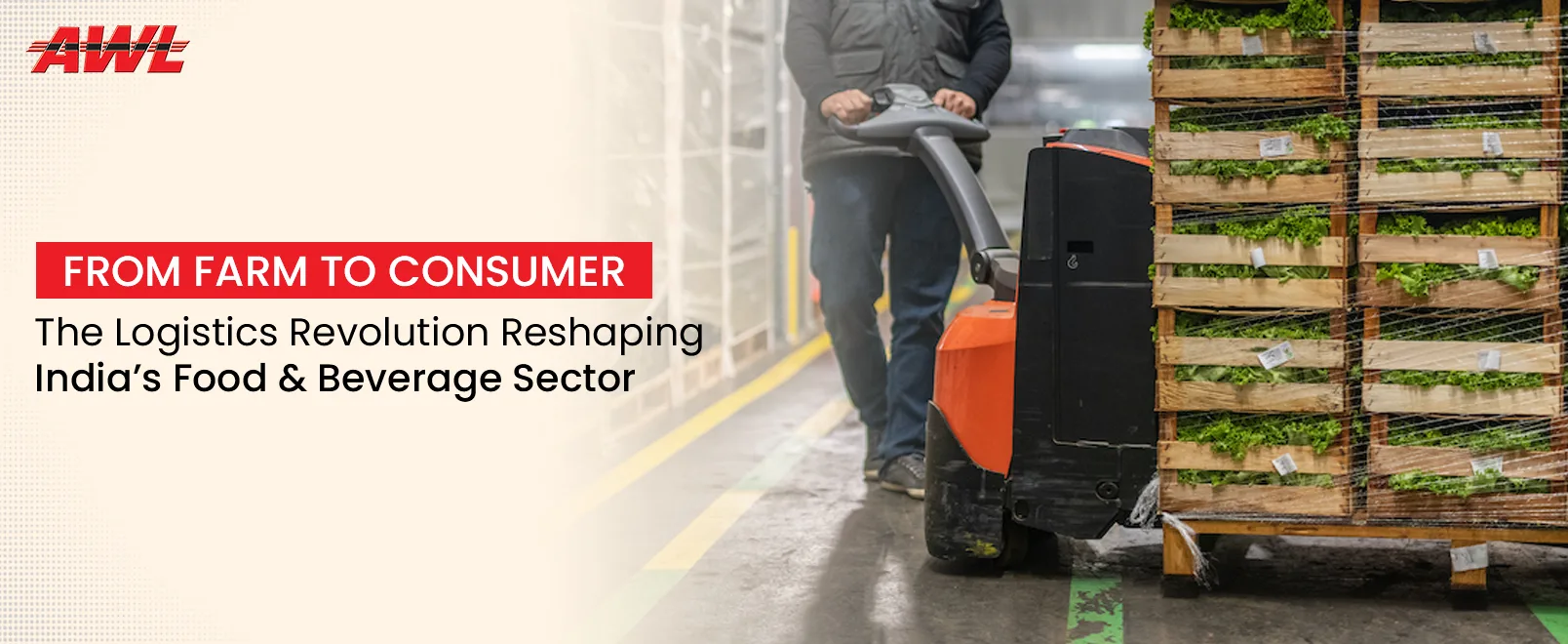
India is one of the top food producers in the world. The country grows massive amounts of grains, fruits, and vegetables every single year. Yet, moving this food from rural farms to city kitchens remains a massive challenge. A lot of food gets spoiled before it ever reaches the dinner table. This gap shows that the country needs a better way to handle its fresh produce.
The Current State of Food Distribution in India
How much food does India actually lose every year due to poor handling? Why do our fruits and vegetables rot before reaching the market? These are major issues that affect millions of farmers and consumers across the nation.
According to the Food and Agriculture Organization (FAO), roughly one-third of all food produced for human consumption is lost or wasted globally. In developing networks, these losses are heavily concentrated at the post-harvest and distribution stages. It happens because the country lacks modern infrastructure. Most fields do not have immediate access to temperature-controlled storage rooms.
The food supply chain in India faces deep troubles due to this lack of connectivity. Farmers often rely on local open-air markets. They must sell their goods quickly at low prices. If they do not sell them fast, the items simply rot under the hot sun. This scenario creates an urgent need for advanced systems that can bridge the gap between rural farms and urban centers.
Why a Transformation is Happening Right Now
The shift towards a modern supply chain logistics network is moving fast. Many factors are driving this change today. First, consumers in tier-1 and tier-2 cities now want fresh groceries delivered to their doorsteps within minutes. Quick-commerce apps are growing very popular. This shift forces companies to fix their distribution channels.
Second, packaged food sales are rising rapidly. Research from the Indian Institute of Plantation Management in Bengaluru indicates that the Indian cold chain market recently surpassed 25 billion dollars. It is on track to reach over 33 billion dollars by 2031. This growth shows that businesses are investing heavily in new facilities. Modern FMCG logistics India strategies are now essential for survival in this highly competitive retail market.
Key Drivers of the Logistics Shift
To understand this shift, we must look at the specific parts that make it work. Here are the core drivers of this transformation:
- Rising Consumer Demand: Urban buyers now expect high-quality fresh dairy and frozen foods daily. This change forces businesses to upgrade their local delivery networks quickly.
- E-Commerce Boom: Online grocery apps require micro-fulfilment centers inside cities. These small hubs help delivery riders pick up fresh food items and reach buyers within minutes.
- Government Schemes: Programs like the Pradhan Mantri Kisan Sampada Yojana provide funds for new infrastructure. These funds help build large industrial food parks and cold storage units.
- Better Technology: New software allows managers to track trucks in real time. Sensors can send alerts if a truck becomes too warm, which saves the food from spoiling.
The Important Role of Temperature Management
How can we stop milk and fresh meat from spoiling during long transit times across hot states? This question brings us to the most important part of the modern supply chain logistics shift. The country needs a continuous network of chilled rooms and refrigerated trucks.
Without proper cooling, cold items warm up, and bacteria grow fast. This is why cold chain logistics India food industry systems are seeing huge investments right now. A report by the FAO notes that proper cooling reduces post-harvest losses drastically. It keeps the quality of food intact from the moment of harvest until final consumption.
Building this network requires deep technical knowledge. Traditional transport providers cannot handle these sensitive items anymore. This situation allows specialized food and beverage logistics companies India to step in and offer end-to-end temperature management services.
How AWL India is Leading the Change
As the market grows, top logistics companies are stepping up to solve these tough challenges. One major player in this field is AWL India. The company utilizes smart technology to make food transport smooth and reliable.
By using automated data tracking, AWL India ensures that food stays fresh at every step. They provide specialized storage hubs that keep temperatures perfectly stable. Their advanced systems give businesses full control over their inventory. This minimizes waste and maximizes profits for food brands.
The company helps brands scale up their operations by offering flexible warehousing solutions. They connect rural production hubs directly with urban retail markets, which solves the classic distribution problem.
The Benefits of a Transformed Network
A completely modernized supply chain logistics network offers huge benefits to everyone involved. It changes how a nation eats and how farmers earn their living. Here are the main benefits of this new system:
- Higher Farmer Incomes: Farmers can sell their goods to distant markets without fear of spoilage. This access allows them to get much better prices for their hard work.
- Lower Food Prices: Reduced wastage means more food is available in the market. This steady supply helps keep grocery prices stable and affordable for ordinary citizens.
- Better Food Safety: Temperature control prevents harmful bacteria from growing on fresh meat and dairy. Consumers get safer, healthier food delivered to their homes every day.
- Reduced Carbon Emissions: When less food rots in landfills, methane gas emissions drop significantly. Efficient truck routing also lowers fuel use, which helps protect the local environment.
Industry Insights and the Path Forward
Industry experts agree that infrastructure is the key to future growth. According to an Invest India report, improving post-harvest facilities creates a massive surplus for exports. This shifts India from a local supplier to a global food powerhouse.
A reliable industry perspective highlights this trend clearly. Dr. Pawanexh Kohli, a leading cold chain expert and former chief of the National Centre for Cold-chain Development, famously stated: "A cold chain is not just about refrigeration; it is about stretching the shelf life of food to expand its market reach." A seamless cold network acts as a prime economic driver for rural communities. It creates jobs in villages and keeps food fresh for a longer time.
To keep up with global standards, the entire supply chain logistics sector must adopt sustainable energy. Solar-powered cold storage hubs are now becoming popular in rural areas. These green hubs solve the issue of frequent power cuts in small villages.
Choosing the Right Partner for Growth
Food brands must work with experienced partners to succeed in this changing market. Relying on outdated methods will only lead to high losses and unsatisfied customers. A tech-driven approach is the only way forward.
Working with AWL India gives businesses a competitive edge in the modern market. The company offers the right tools, trucks, and warehouses to handle complex food operations. They make sure that your products move safely from the farm gate all the way to the consumer's fork.
FAQs
1. Why is food wastage so high in India's agricultural supply chain?
India loses a significant portion of its harvest due to a lack of immediate post-harvest cooling facilities near rural farms. Traditional open-air transport exposed to high tropical temperatures accelerates spoilage before the produce can reach urban markets.
2. How does cold chain logistics improve food safety for consumers?
Continuous temperature control prevents the growth of harmful bacteria on perishable items like dairy, meat, and fresh vegetables. This ensures that the food remains nutritious, fresh, and completely safe by the time it reaches the consumer's fork.
3. What role does technology play in modern food logistics?
Modern logistics relies on real-time GPS tracking, automated inventory management, and smart temperature sensors. These tools allow companies to monitor storage conditions instantly and prevent spoilage by alerting drivers if a cooling system fails during transit.
4. How do quick-commerce apps impact the food supply chain?
The rise of 10-minute grocery apps requires logistics networks to set up specialized micro-fulfillment hubs inside cities. These hubs must maintain a steady supply of fresh items to fulfill instant hyper-local demands without running out of stock.
5. Why should food brands partner with third-party logistics companies like AWL India?
Partnering with specialized providers gives brands access to advanced temperature-controlled warehouses and automated tracking infrastructure. This eliminates the high cost of building private facilities while ensuring efficient, waste-free distribution across the country.

John Smith
Digital Tech Head