


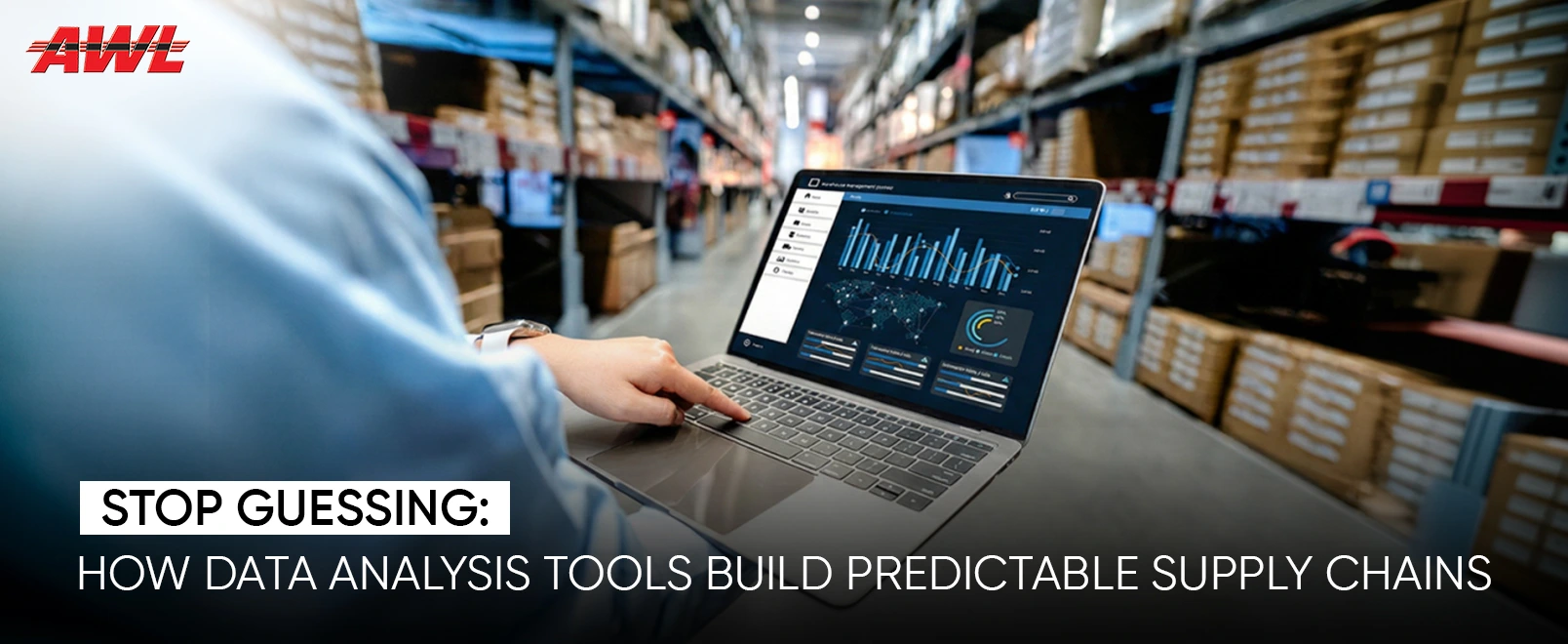
Have you ever wondered why some companies always have products in stock while others struggle with empty shelves? Is it just good luck, or is there a hidden science behind a smooth delivery process? In the past, business owners relied on gut feelings and basic spreadsheets to manage their supply chains. Today, the world moves too fast for simple guesses. To stay ahead, businesses are turning to smart technology to see the future of their operations.
Moving Beyond Human Intuition
The old way of managing logistics was reactive. Managers waited for a problem to happen and then tried to fix it. This led to high costs and unhappy customers. Modern technology has changed the game completely. By using advanced software, companies can now look at patterns from the past to predict what will happen next month. This shift from guessing to knowing is the foundation of a modern supply chain management strategy. Data tools collect information from every step of the journey. They look at weather, traffic, and even social media trends. This helps businesses stay prepared for any situation.
The Power of Predictive Analytics
Predictive analytics is like having a crystal ball for your warehouse. It uses math and logic to find hidden trends in big piles of data. When a supply chain consultant looks at these reports, they can see exactly where a delay might happen. This allows them to act before the delay even begins.
- Demand Forecasting tools predict how many items people will buy during a holiday.
- Route Optimization software finds the shortest and safest paths for trucks.
- Inventory Control systems alert managers when stock levels are getting too low.
- Risk Management data identifies which suppliers might face issues due to local problems.
Why Real-Time Data Matters
Waiting for a weekly report is no longer enough. Decisions must happen in seconds. Real-time data tools provide a live map of every ship, truck, and package. This transparency builds trust with customers. When a supply chain consultant uses live tracking, they can redirect a shipment if a port is closed. According to the MIT Center for Transportation and Logistics, end-to-end visibility is a key differentiator that allows organizations to create value through proactive risk planning. Knowing where things are at all times prevents expensive mistakes and keeps the flow steady.
Reducing Waste and Saving Costs
Waste is a silent profit killer. It happens when goods sit too long or when trucks drive half-empty. Data analysis tools identify these inefficiencies quickly. By analyzing loading patterns, companies can fill every truck to its maximum safe capacity. This lowers fuel costs and helps the planet. Many supply chain consulting companies focus heavily on these metrics to improve the bottom line. Efficient operations mean lower prices for the end user and more profit for the business.
Building Resilience Against Disruptions
The global market is full of surprises. Trade shifts and natural disasters can stop production overnight. Data tools help build a safety net. By simulating "what-if" scenarios, a supply chain consultant can test how a business would handle a major crisis. This preparation is what separates successful brands from those that fail during tough times. AWL India uses these sophisticated methods to ensure that their clients never face a total standstill. Being prepared is always better than being surprised.
The Role of Expert Guidance
Technology is powerful, but it needs a human touch. This is where supply chain consulting firms come into play. These experts know how to read the data and turn it into a solid plan. They help businesses choose the right tools and train staff to use them.
"The goal is to turn data into information, and information into insight," said Carly Fiorina, former CEO of Hewlett-Packard.
This insight allows a supply chain consultant to create a custom roadmap for growth. They ensure that the technology matches the specific goals of the business. Without this expert eye, data is just a bunch of numbers on a screen.
Facts and Insights
The impact of data on logistics is backed by serious research. Here are some facts that highlight the importance of these tools:
- Efficiency Gains: Companies adopting advanced analytics often see a significant reduction in manual labor. According to industry reports on ScienceDirect, digital integration can lead to a 90% reduction in manual effort in specific logistics workflows.
- The Data Challenge: Quality is everything. The US Department of Transportation notes that even with high-quality systems, the variety and volume of data now collected require advanced visualization tools to support effective decision-making.
- Maintenance Savings: Predictive maintenance on delivery vehicles can reduce repair costs by 20% by fixing parts before they break.
- Forecasting Accuracy: Advanced AI-driven hubs can improve demand forecast accuracy by up to 50% compared to traditional methods.
How AWL India Leads the Way
In a competitive market, having the right partner makes all the difference. AWL India integrates high-end tech with deep industry knowledge. They do not just move boxes. They analyze the entire flow of goods to find better ways of working. By using automated systems, AWL India provides clients with a clear view of their entire network. This level of detail helps small businesses grow into large ones. It also helps large corporations stay lean and fast.
The Future of Predictable Logistics
The future will involve even more automation. Artificial intelligence will soon handle even more complex tasks. We will see warehouses that organize themselves and drones that deliver packages in minutes. However, the core idea will remain the same. The goal is to remove the "maybe" from the equation. When you stop guessing, you start growing. Data tools are the bridge between a chaotic operation and a predictable success story. Using these tools is no longer a luxury for big brands only. It is a necessity for anyone who wants to survive in the modern world.
FAQs
1. How does data analysis help in preventing stockouts?
Data tools look at your sales history and current market trends to predict future demand. By knowing when a surge in buying is likely to happen, businesses can restock their inventory in advance. This ensures that customers always find what they need on the shelves.
2. Can small businesses benefit from supply chain data tools?
Yes, data tools are not just for large corporations. Many modern software options are affordable and easy to use for smaller teams. These tools help small businesses save money by reducing waste and improving delivery times, which allows them to compete with bigger brands.
3. What is the role of a supply chain consultant in data integration?
A supply chain consultant helps a business identify which data points are most important. They guide the company in choosing the right technology and setting up systems to track performance. Their expertise ensures that the data is used to make smart, profitable decisions.
4. Does real-time tracking actually lower logistics costs?
Real-time tracking helps managers spot delays or traffic issues as they happen. This allows them to change routes immediately, saving on fuel and preventing late-delivery penalties. Over time, these small savings add up to a significant reduction in total operating costs.
5. How does AWL India ensure data security for its clients?
AWL India uses high-level encryption and secure cloud servers to protect all logistics data. They follow strict industry standards to ensure that sensitive information about shipments and customers remains private and safe from outside threats.

John Smith
Digital Tech Head