


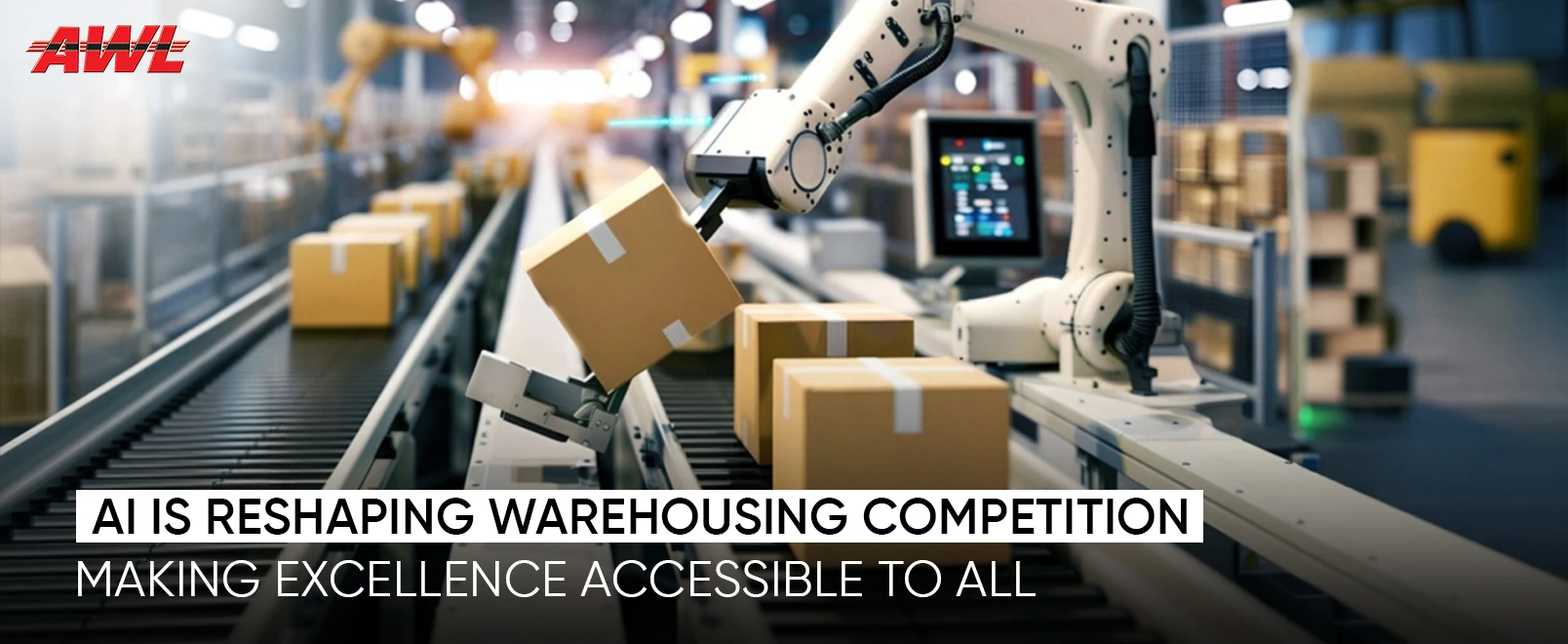
The world of logistics is changing very fast. For a long time, only the biggest companies could afford the best technology. Small and medium businesses struggled to keep up with global giants. However, artificial intelligence is now changing the rules of the game, redefining competition by making high-end tools available to businesses of every size. This shift is creating a fair environment where efficiency matters more than the size of the company. New technology helps businesses manage their stock and deliveries with great precision. As a result, even smaller players can now offer fast and reliable services to their customers.
The Shift Toward Digital Intelligence
In the past, manual labor was the primary way to run a warehouse. Workers spent hours counting items and moving boxes. This old method led to many human errors and slow processing times. Now, intelligence is moving from humans to machines. This does not mean humans are not needed. It means machines are doing the repetitive and hard tasks. This change allows workers to focus on better planning and strategy.
- Machines can now predict when a product will run out of stock.
- Algorithms find the fastest path for workers to pick items.
- Data helps in reducing the amount of wasted space in the building.
- Automated systems can work twenty-four hours a day without getting tired.
How does a small business compete with a giant corporation today? The answer lies in how they use data. By using a warehouse management system, a small firm can track every single movement of goods. This level of detail was impossible ten years ago. Now, it is a standard part of doing business.
Lowering The Entry Barrier For Small Businesses
Technology used to be very expensive to buy and install. Only firms with huge budgets could afford complex software. Today, cloud technology has made these tools much cheaper. Businesses can pay for what they use instead of buying the whole system up front. This has removed the financial wall that kept smaller companies out.
According to a report by MHI and Deloitte, adoption of artificial intelligence is expected to rise dramatically, with 82% of supply chain professionals planning to have it in use within five years. This shows that the industry is moving quickly toward a digital future. A smart warehouse management system is no longer a luxury for the few. It is a tool that helps any company stay in the race.
Improving Accuracy With Better Software
Accuracy is the most important part of logistics. If a customer gets the wrong item, the company loses money. They also lose the trust of the buyer. Modern software reduces these mistakes to almost zero. It checks every step of the process automatically. This creates a high level of reliability for every order.
- Scanning barcodes ensures the right item is in the right box.
- Weight sensors detect if a package is missing a component.
- Real-time updates tell managers exactly what is happening on the floor.
- Digital records prevent the loss of paperwork or shipping labels.
When a company uses the best warehouse management system, it gains a huge advantage. They save money on returns and re-shipping. This extra money can then be used to grow the business further. AWL India understands that accuracy is the foundation of growth in this sector.
The Rise Of The Smart Warehouse
A smart warehouse uses many different technologies at once. It combines sensors, cameras, and software to create a smooth flow of goods. These facilities do not just store items. They process information constantly to improve their own performance. This leads to a much more productive environment.
"AI won't replace managers, but managers who use AI will replace those who don't," says Erik Brynjolfsson, a professor and senior fellow at the Stanford Institute for Human-Centered AI. This quote highlights the importance of adapting to new tools. The technology is here to assist humans in making better decisions.
Optimizing Labor and Energy Efficiency
Energy costs are rising every year. Warehouses are huge buildings that require a lot of light and heat. Transforming AI helps in managing these costs effectively. It can turn off lights in areas where no one is working. It can also plan the layout of the building to reduce the distance forklifts need to travel.
- Smart sensors adjust lighting based on human movement.
- Better routing reduces the fuel used by heavy machinery.
- Inventory is placed closer to the shipping dock for faster exits.
- Predictive maintenance prevents machines from breaking down unexpectedly.
Can technology really make a warehouse more eco-friendly? Yes, it can. By reducing waste and saving energy, companies help the planet. They also lower their monthly utility bills. This is a win for both the environment and the business budget. AWL India focuses on these green initiatives to lead the industry toward a better future.
Real-Time Data And Faster Shipping
Customers today want their orders delivered immediately. This pressure is felt by every logistics provider. To meet this demand, companies must have a warehouse management system that works in real time. Knowing where an item is at any second is vital. If there is a delay, the system can flag it right away.
Research from the Council of Supply Chain Management Professionals shows that companies using a modern warehouse management system experience much higher accuracy and reduced fulfillment errors. This productivity translates directly into faster shipping times. When goods move faster, the company can handle more orders in a single day.
Scaling Up Without Massive Costs
In the old days, growing a business meant hiring many more people. It also meant renting much more space. Today, Dynamics technology allows for "elastic" scaling. This means a company can handle a sudden spike in orders without a massive increase in staff. The software manages the extra workload by optimizing existing resources.
- AI can handle thousands of orders during holiday sales events.
- Systems can integrate with online shops to update stock levels instantly.
- Managers can see performance trends to plan for busy seasons.
- New workers can be trained faster using digital interfaces.
Does a company need to own a huge fleet of trucks to be successful? Not anymore. By focusing on the efficiency of the warehouse management system, a firm can maximize every trip. This allows them to stay competitive even with fewer assets. AWL India provides the expertise needed to scale operations effectively.
The Future Of Global Logistics
The playing field is truly getting levelled. The gap between the big and small players is shrinking every day. As AI becomes smarter, it will handle even more complex tasks. We might see warehouses that can fix their own robots or predict weather delays before they happen.
This evolution is good for everyone. It leads to lower prices for shoppers and better jobs for workers. It also encourages innovation across the entire world. Companies that embrace these changes will be the leaders of tomorrow. They will prove that intelligence is more powerful than size in the modern market.
FAQs
1.How does AI help smaller warehouses compete with larger ones?
AI levels the playing field by offering affordable tools that were once only available to giant corporations. Small businesses can now use smart software to predict demand and manage inventory with high precision. This allows them to offer the same speed and reliability as much larger companies without needing a massive workforce.
2. Is it expensive for a business to switch to a digital management system?
Modern technology is much more accessible than it used to be. Many providers now offer cloud-based solutions where you only pay for what you use. This removes the need for huge upfront costs. Over time, the money saved by reducing errors and improving speed often covers the cost of the software itself.
3. Will using artificial intelligence mean fewer jobs for human workers?
Technology is changing the types of jobs available rather than just removing them. While machines handle heavy lifting and repetitive counting, humans are needed for more complex tasks. Workers now focus on managing the systems, solving problems, and planning better business strategies.
4. Can a smart system really improve shipping speeds?
Yes, it can. A digital system tracks every item in real time and finds the fastest way to move it from the shelf to the delivery truck. By removing delays and human errors during the picking process, orders get out of the door much faster. This helps companies meet the high expectations of modern customers.
5. How does warehouse technology contribute to environmental sustainability?
Smart systems help reduce waste by ensuring inventory does not expire or go unused. They also optimize the paths that machinery takes, which saves fuel and electricity. By managing lights and temperature based on actual need, a warehouse can significantly lower its carbon footprint.

John Smith
Digital Tech Head